
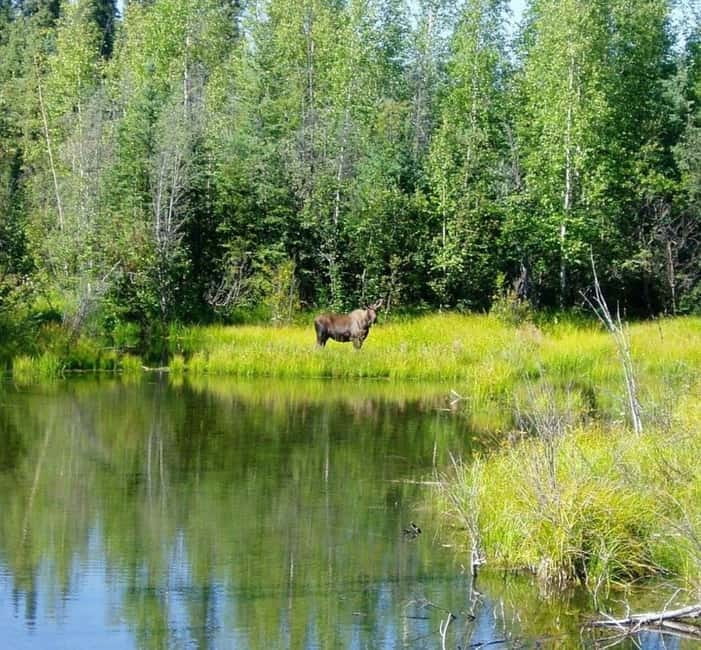
Reviewed · MOOSE SAFARIS
From Stockholm: Moose & Wildlife Safari with Campfire Dinner
The forest begins surprisingly close to Stockholm. This five-hour outing combines a small-group wildlife drive with a campfire meal, a short forest walk, and Swedish nature lessons just beyond the city. I like that the evening is more than a hunt for one famous animal. You may see moose, but deer, wild boar, hares, and birds all count as part of the experience.
I also like the simple outdoor rhythm: hike to a viewpoint, build a fire, cook dinner, then use a minibus to visit several wildlife areas. Guides such as Andrew, Marcus, Nathan, and Daniel have been praised for their humor, care, and local knowledge. The main drawback is unavoidable: moose sightings are never guaranteed, and winter makes them harder to find.
In This Review
- The essential points at a glance
- Leaving Stockholm for the Swedish woods
- A short hike with a useful purpose
- Building the fire and eating outdoors
- Searching several wildlife hotspots
- The real value of a moose safari
- Why the guide matters so much
- Choosing the best season for your priorities
- Who should book this experience?
- Should you book the Stockholm moose safari?
- FAQ
- Where does the moose safari meet in Stockholm?
- How long does the experience last?
- Is pickup and drop-off included?
- How many people are in each group?
- What animals might I see?
- Are moose guaranteed?
- Are binoculars provided?
- What food is included?
- Does the tour operate in winter?
- Is the tour suitable for people with mobility impairments?
- What language is the tour in?
- Can I cancel the booking?
The essential points at a glance
- Moose are possible, not promised: You may see several moose, or you may see deer, hares, boar, and birds instead.
- Dinner is part of the adventure: You help prepare a campfire meal and enjoy a drink, coffee, dessert, or fika-style break in the woods.
- Only eight people per group: The small minibus and limited group size allow for more personal attention from the guide.
- The route changes with daylight: In summer, dinner can come first, followed by wildlife searching at sunset. In winter, the hike comes earlier and dinner moves into a tipi tent.
- You leave Stockholm without a long transfer: Pickup and drop-off are included from a central meeting point near Skanstull, Mariatorget, and Stockholm Södra.
- This is an active nature outing: Expect a forest walk, uneven ground, and time outdoors. It is not suitable for people with mobility impairments.
Leaving Stockholm for the Swedish woods
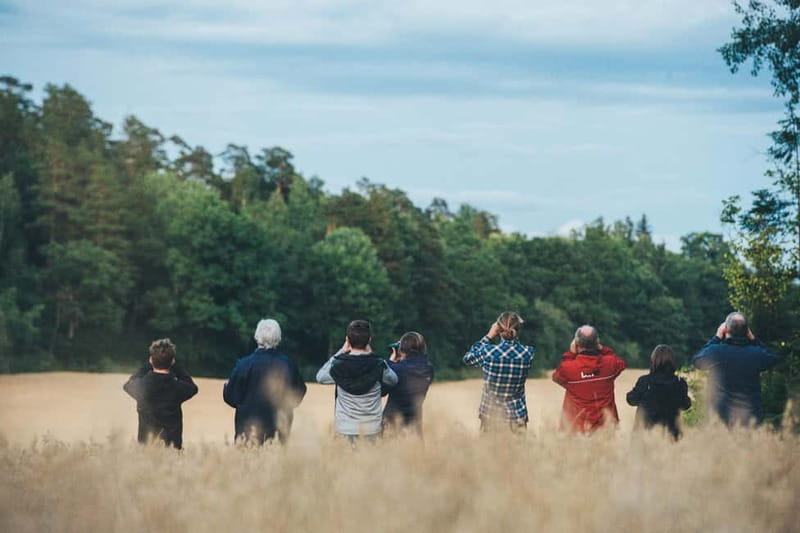
The meeting point is at the entry to The Green Trails, about a 10-minute walk from Skanstull metro station on the green line or Mariatorget metro station on the red line. Stockholm Södra commuter train station is about eight minutes away on foot.
That central starting point matters. You do not need to arrange a taxi to a distant rural pickup spot, and the included return trip keeps the evening simple. You meet your guide, hear how the outing will work, and then settle into a comfortable minibus for the drive into the forest.
The exact drive time can vary with the route, but the experience is designed to reach woodland areas relatively close to Stockholm. Several people have valued the contrast: city streets at the start, open countryside and forest views not long afterward.
The group is limited to eight participants. That is a good size for wildlife watching because the guide can explain tracks, answer questions, and adjust the pace without trying to manage a large crowd. It also means you should expect a social outing rather than a private safari.
More moose safaris near Stockholm:
- Wolf and Wildlife Tracking in Sweden
★ 5.0 · 9 reviews - The Wolf Howl Experience
★ 5.0 · 22 reviews - Wolves, Moose & Beavers in the forests of Central Sweden
★ 5.0 · 20 reviews
A short hike with a useful purpose
The first stop is a viewpoint reached by a light hike. This is not presented as a strenuous trek, but you should still be comfortable walking through the forest and standing outdoors for part of the evening.
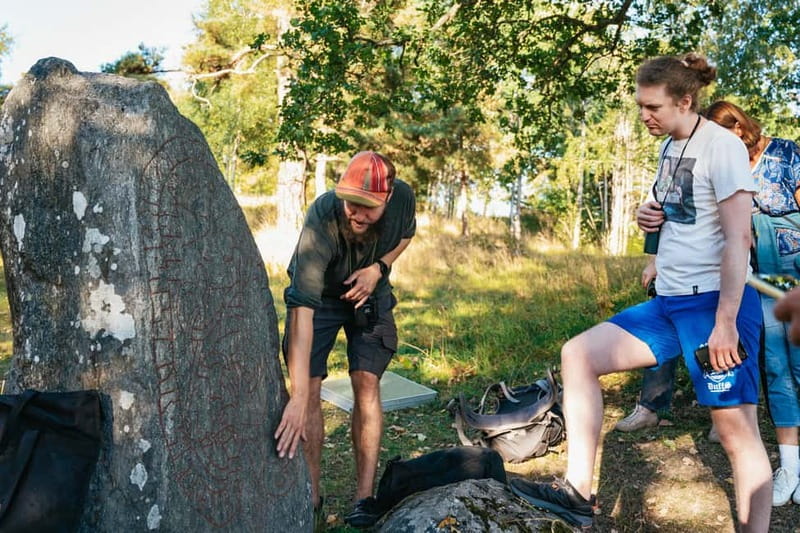
The walk gives the guide a chance to explain the local habitat and the animals that live there. You may look for tracks, droppings, feeding marks, and other signs rather than simply scanning the trees for a large animal.
That part is easy to underestimate. Wildlife is often absent from the exact place you hope to see it, but signs tell you how the forest is used. The guide can help you understand why one area may attract deer, where wild boar might feed, or how the animals move through the woods.
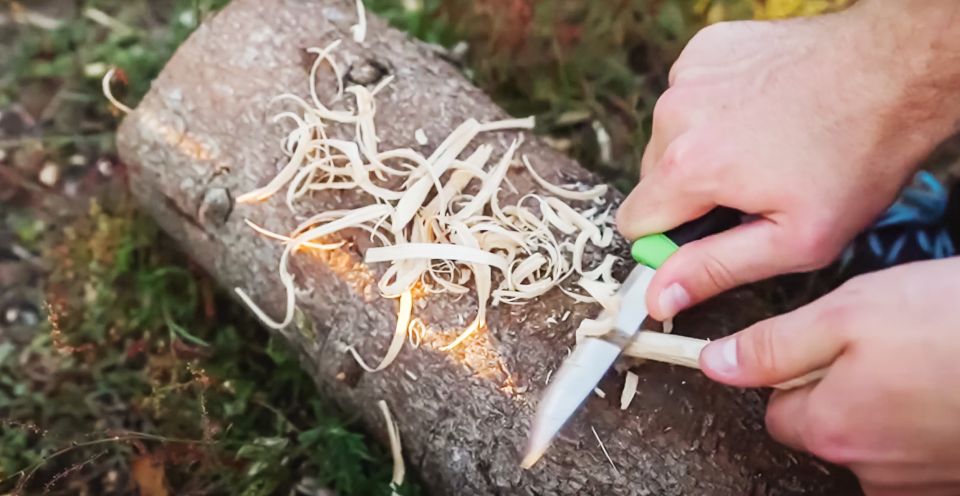
Some outings have included extra nature details, such as edible plants, pine needle tea, juniper berries, and basic fire-starting techniques. These touches depend on the guide and conditions, so I would treat them as possible bonuses rather than guaranteed parts of every departure.
The walk also gives you time to stretch your legs after the minibus ride. Bring footwear you can use on forest trails, and dress for the weather. The activity is not suitable for people with mobility impairments, and the setting is not a paved city park.
Building the fire and eating outdoors

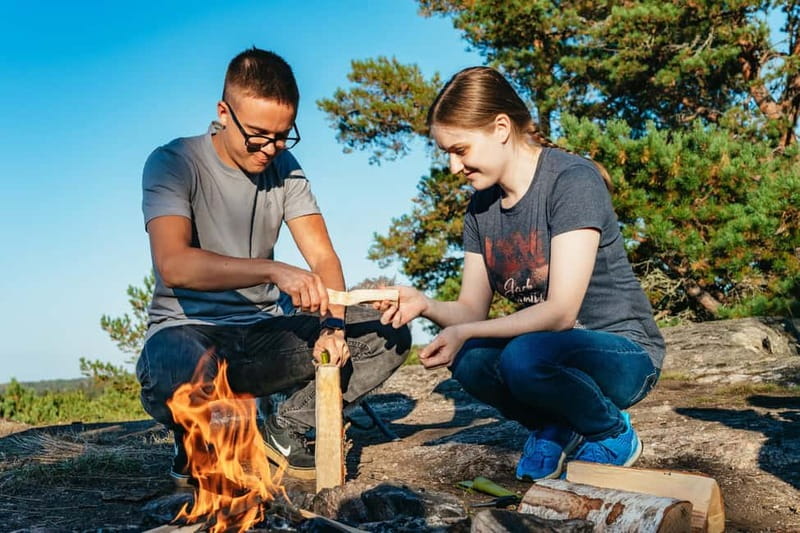
At the viewpoint, the group gets the fire going in a bushcraft-style setup. You then prepare dinner over the flames, which gives the meal a hands-on quality that a restaurant stop cannot match.
The setting is one of the strongest parts of the experience. Past outings have included a fire pit on a hill with wide countryside views, sunset through the trees, and a relaxed meal shared around the flames. The combination of warm food, fresh air, and a guide telling stories about Swedish animals makes this feel like an evening in nature rather than a standard coach excursion.
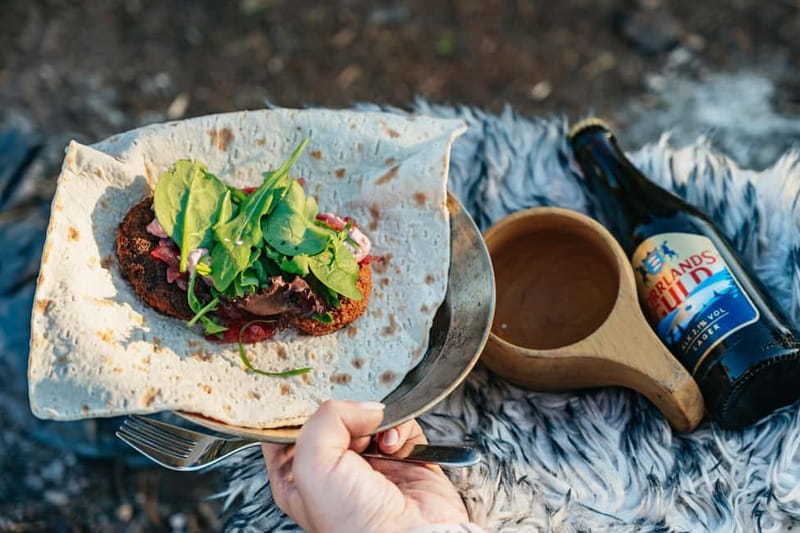
The food has received mostly warm praise, with several people calling the dinner delicious. A drink is included, such as local craft beer or juice, and some outings have also included coffee, dessert, or a fika-style break. Vegetarian visitors have been catered for successfully, though one person disliked the beetroot burgers. If food is a major reason for booking, keep your expectations practical: this is camp cooking, not a restaurant tasting menu.
The meal timing changes with the season. During the brighter summer months, dinner may come first so you can eat while the sun is low and then search for wildlife afterward. In winter, the hike and wildlife search come earlier, with dinner afterward inside a tipi tent to help keep everyone warm.
The winter tipi is a welcome adjustment. November through March brings shorter days and less animal activity, so the tour uses a longer hike and an indoor tent meal. Snow can add charm, but it also makes the outing colder and may reduce the odds of seeing moose.
Searching several wildlife hotspots
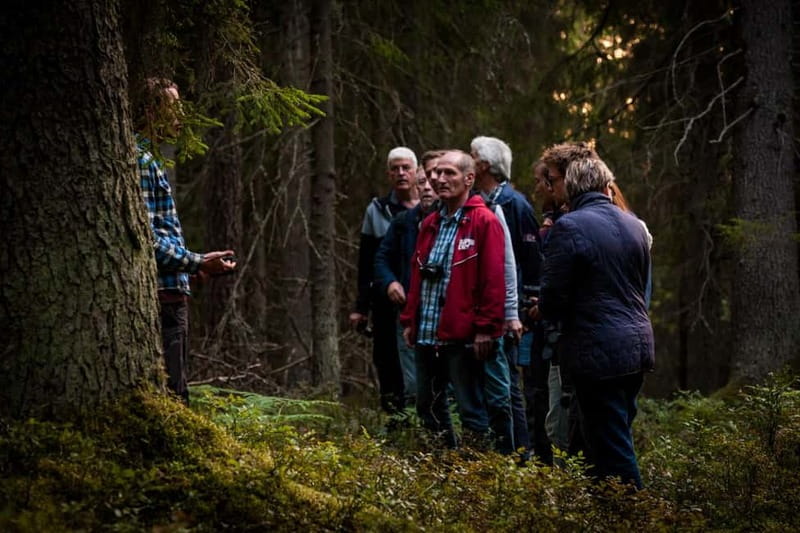
After the walk and meal, you return to the minibus. This is where the safari element becomes more active. Instead of waiting in one clearing, the guide drives to several areas where animals have been seen during the season.
The guides track animal movements and alter the route to improve the odds. That does not turn wildlife into a scheduled performance, but it is much better than simply hoping something crosses the road.
Quality binoculars are included, which is important. You may see an animal at a distance, partly hidden among trees, or only briefly as it moves away. Binoculars help you make sense of what you are looking at without getting too close.
Depending on the season and luck, possible sightings include:
- Moose
- Roe deer and fallow deer
- Wild boar
- Hares and rabbits
- Foxes and badgers
- Several types of birds
- Occasionally, other forest creatures such as a snake
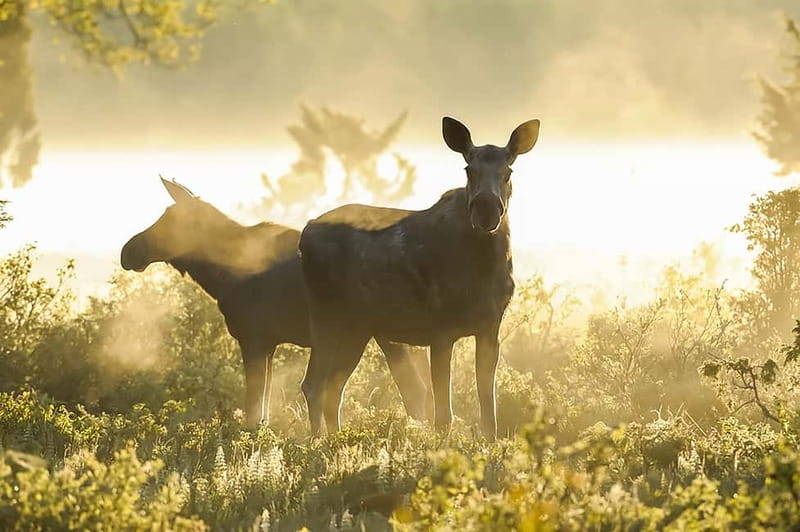
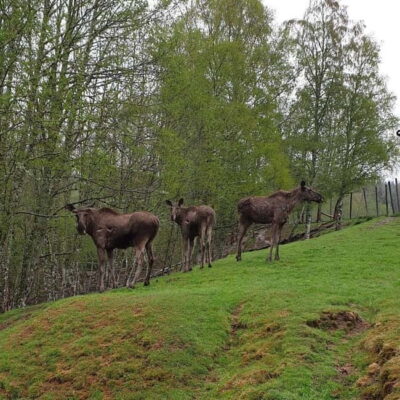
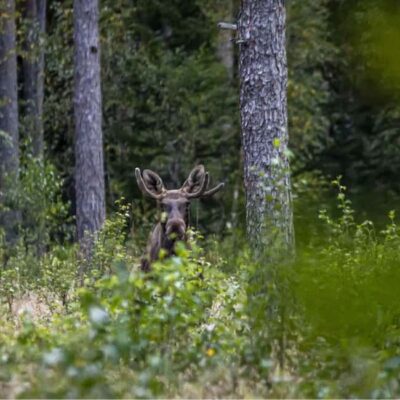
The repeated animal sightings described from different outings suggest that deer and smaller wildlife are more dependable than moose. Moose have been spotted in impressive numbers on some evenings, including four, three, and even nine on particularly lucky trips. Other evenings have produced only deer and hares.
One especially close moose sighting involved a female feeding near an apple tree before moving away and looking back at the group. That is the sort of moment people hope for, but it is also a reminder to keep expectations flexible. Wild animals decide the schedule.
If darkness arrives, the guide uses large torches to help search the area. This extends the useful viewing time, though a nighttime forest search will not offer the same clear visibility as a bright summer evening.
A few more Stockholm options to compare
- Evening Wildlife Safari with Campfire Dinner from Stockholm
★ 4.5 · 155 reviews - Stockholm: Evening Wildlife Safari with Midsummer Meal
★ 4.2 · 130 reviews - Stockholm: Wildlife Tour With Dinner and Short Hike
★ 4.4 · 99 reviews - Evening Wildlife Safari from Stockholm
★ 4.0 · 83 reviews
The real value of a moose safari
At $160 per person, this is not a cheap add-on. The price includes transport from central Stockholm, a professional English-speaking guide, the wildlife drive, binoculars, and the campfire meal with a drink.
I think the price makes the most sense if you value the full evening rather than judging it only by the number of moose seen. You are paying for a small group, several hours of transport and guiding, a forest walk, fire preparation, dinner, and an attempt to reach multiple wildlife areas.
If you see no moose, the value depends on your attitude. An evening with deer, hares, birds, forest scenery, a sunset, and a campfire can still be worthwhile. Several outings have ended without a moose but were still praised for the setting, food, and guide.
If your only goal is to photograph a moose, this is a gamble. No ethical wildlife tour can promise a sighting, and the operator clearly warns that winter is a harder period. I would choose the activity because you want a Swedish nature evening, with moose as the exciting possibility.
Why the guide matters so much
The guide shapes the experience more than the vehicle or the meal. A good guide turns a quiet patch of forest into a lesson in animal behavior, while a less engaging guide could make the same search feel long.
The strongest guiding examples have included Andrew’s humor and passion, Marcus’s friendly explanations, Nathan’s attention to the group, and Daniel’s calm expertise during heavy snow. Other guides named by participants include Jonathan, Diego, Rasmus, Jesper, Patrick, Stevie, Ella, Isabel, Emily, and N.
The recurring praise focuses on patience, effort, and storytelling. Guides have kept searching after the group was tired, driven to several possible areas, explained local plants, and helped everyone feel included. That effort matters most on a moose-free evening.
The small group helps here. With no more than eight people, you can ask questions without shouting across a bus, and the guide can point out what you might otherwise miss. The language is English throughout.
Choosing the best season for your priorities
Summer gives you the best combination of long daylight, warmer conditions, and a higher level of animal activity. The evening can include a sunset meal, a forest walk, and a later drive while there is still enough light to search. Several summer outings produced moose, deer, and wild boar.
Late spring and early autumn can offer a good balance. You may get cooler air and changing light, while still enjoying a comfortable campfire meal outdoors. September sightings have included fallow deer and a roe buck, even when no moose appeared.
Winter has a different character. Snow can make the forest beautiful, and the tipi provides a cozy place for dinner, but moose are harder to spot from November through March because they are less active. The tour responds with a longer hike and a warm meal inside the tent.
I would choose summer if seeing moose is your main hope. I would choose winter if you are happy with a colder forest outing and especially like the idea of a snowy hike followed by dinner in a tipi.
Who should book this experience?
I would recommend it to you if you want a break from museums and city streets, enjoy light hiking, and like the idea of learning by doing. It works especially well for couples, solo visitors who enjoy small groups, and families with older children who can manage the outdoor setting.
It is also a good choice for anyone who wants a more personal introduction to Swedish nature without renting a car. The guide handles the driving, route choices, animal tracking, and meal setup.
I would hesitate if you have limited mobility, dislike uneven forest paths, or need a guaranteed sighting. I would also avoid treating this as a quick evening activity. The five-hour duration includes travel, hiking, dinner, and repeated wildlife searches, so allow the whole evening.
Unaccompanied minors are not allowed. Children must therefore be with a responsible adult, and all participants should be ready for weather, darkness, and time outside.
Should you book the Stockholm moose safari?
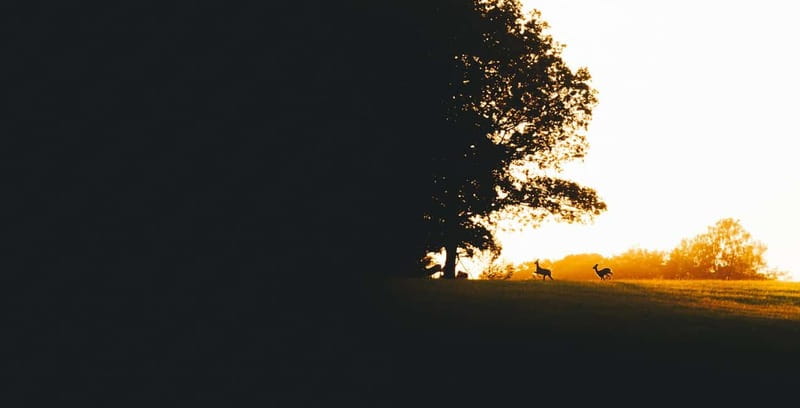
Book it if you want the whole outdoor evening, not just a moose photograph. The campfire meal, forest walk, small group, and guide-led search give the outing enough substance to work even when the largest animal stays hidden.
For the best odds, choose a warmer month, keep your schedule open for the full five hours, and wear practical outdoor clothing. If you go in winter, expect a cozier tipi meal but lower odds of seeing moose.
At $160, I see this as a special-occasion outing rather than a budget tour. The price is fair for the transport, small group, meal, equipment, and several wildlife stops, especially if you value a genuine taste of the Swedish countryside close to Stockholm. Just remember: the forest provides the wildlife, and the forest does not take reservations.
FAQ
Where does the moose safari meet in Stockholm?
The meeting point is at the entry point to The Green Trails. It is about a 10-minute walk from Skanstull metro station, a 10-minute walk from Mariatorget metro station, and an eight-minute walk from Stockholm Södra commuter train station.
How long does the experience last?
The activity lasts five hours, including transportation, the forest walk, dinner, and the wildlife drive.
Is pickup and drop-off included?
Yes. Pickup and drop-off from the central Stockholm meeting point are included in the experience.
How many people are in each group?
The group is limited to eight participants.
What animals might I see?
Possible sightings include moose, roe deer, fallow deer, wild boar, hares, rabbits, foxes, badgers, and several bird species. Sightings vary by season and conditions.
Are moose guaranteed?
No. Moose are wild animals, so sightings are not guaranteed. The guide visits several wildlife hotspots to improve the chances.
Are binoculars provided?
Yes. Quality binoculars are included.
What food is included?
A campfire meal is included, along with a local craft beer or juice. Some outings have also included coffee, dessert, or fika-style refreshments.
Does the tour operate in winter?
Yes. During November through March, moose are harder to spot because they are less active. The itinerary includes a longer hike, and dinner is served inside a tipi tent to help keep the group warm.
Is the tour suitable for people with mobility impairments?
No. The experience is not suitable for people with mobility impairments because it includes a forest hike and outdoor terrain.
What language is the tour in?
The live tour guide speaks English, and the activity is offered in English.
Can I cancel the booking?
You can cancel up to 24 hours in advance for a full refund. A reserve-now-and-pay-later option is also available.
More Dining Experiences in Stockholm
- Exclusive Yacht Tour of Stockholm: sunset, dinner, lunch, cruise
★ 5.0 · 26 reviews - Private Yacht Cruise with Lunch or Dinner in Stockholm Archipelago
★ 4.5 · 4 reviews - Kiruna: Sami-Inspired BBQ Dinner with Northern Lights Chase
★ 4.7 · 160 reviews - Snowmobile Aurora Expedition with dinner
★ 4.5 · 111 reviews
New around Stockholm
- World War II Stockholm Old Town Walking Tour and Army Museum★ 4.6 · 4 reviews
- 3 Hours Guided Shopping Tour in Stockholm Thrifting Stores★ 5.0 · 4 reviews
- Scandinavian Art, Architecture and Design Tour in Stockholm★ 4.5 · 11 reviews
- Wolf and Wildlife Tracking in Sweden★ 5.0 · 9 reviews
- Private Tour: Swedish History Day Trip to World Heritage Candidate Markim-Orkesta from Stockholm★ 5.0 · 8 reviews
- Drottningholm Palace Private Guided Tour★ 4.5 · 15 reviews
- Voyage of the Vikings: Guided Exploration Through Sweden’s Past★ 5.0 · 2 reviews
- Vaxholm Day Trip From Stockholm: Cruise, Fortress, Swedish Fika★ 5.0 · 2 reviews
Moose Safaris, compared.
Wolves, Moose & Beavers in the forests of Central Sweden
Read our review →
Browse the lists this tour appears in