
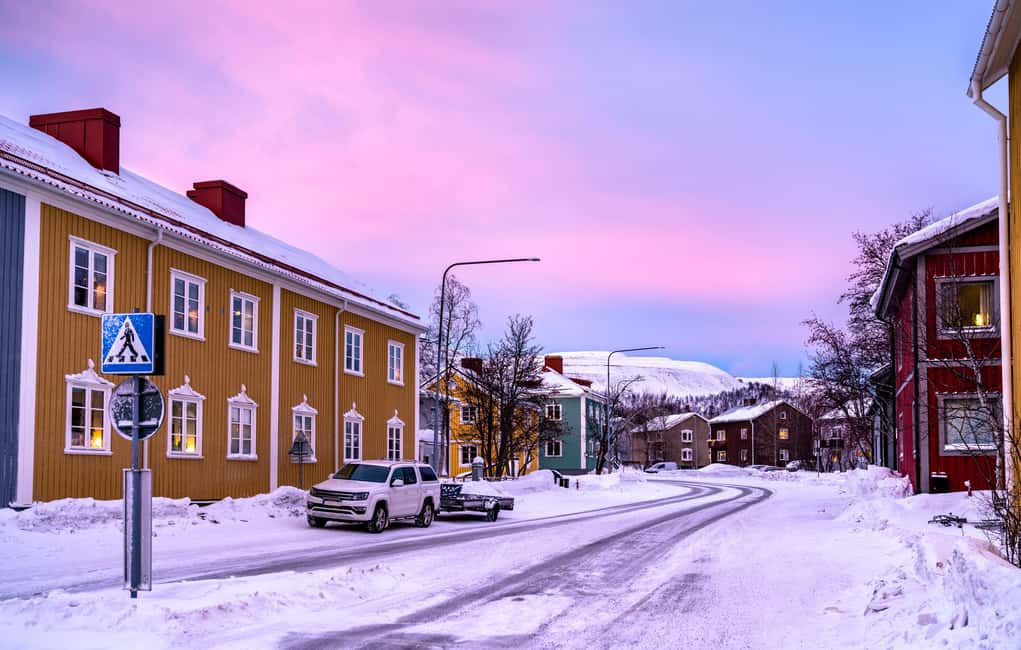
Reviewed · CITY TOURS
Kiruna: 3 hours city tour with guide
Kiruna moves beneath your feet. I like the way this three-hour tour explains the city’s relocation through both old and new Kiruna, and I like its attention to Sámi and Tornedalian culture rather than treating the town as just a mining outpost. The friendly, well-informed guide Lena has earned special praise for bringing the mine, local people, art, and history together in a clear story.
The main drawback is that you cannot enter Kiruna Church during the tour. It is closed after being moved to its new site and is expected to reopen in 2027. You should also think twice if walking or boarding a vehicle is difficult, since the tour is not suitable for wheelchair users and does not accept non-folding wheelchairs, strollers, or baby carriages.
In This Review
- Key points to know before you book
- Why Kiruna’s relocation makes this tour different
- Starting at Kiruna Lappland Tourist Center
- Old Kiruna and the city center on the move
- New Kiruna and the practical side of relocation
- Sámi and Tornedalian roots in Kiruna
- Jukkasjärvi and the church connection
- How the guide and driver shape the experience
- Is $43 good value for three hours?
- Who should take this Kiruna tour?
- Should you book it?
- FAQ
- How long does the Kiruna city tour last?
- What language is the tour in?
- Where does the tour begin?
- Does the tour include transportation?
- Is food or drink included?
- Can I visit inside Kiruna Church?
- Is the tour suitable for wheelchair users?
- Can I cancel the booking?
Key points to know before you book
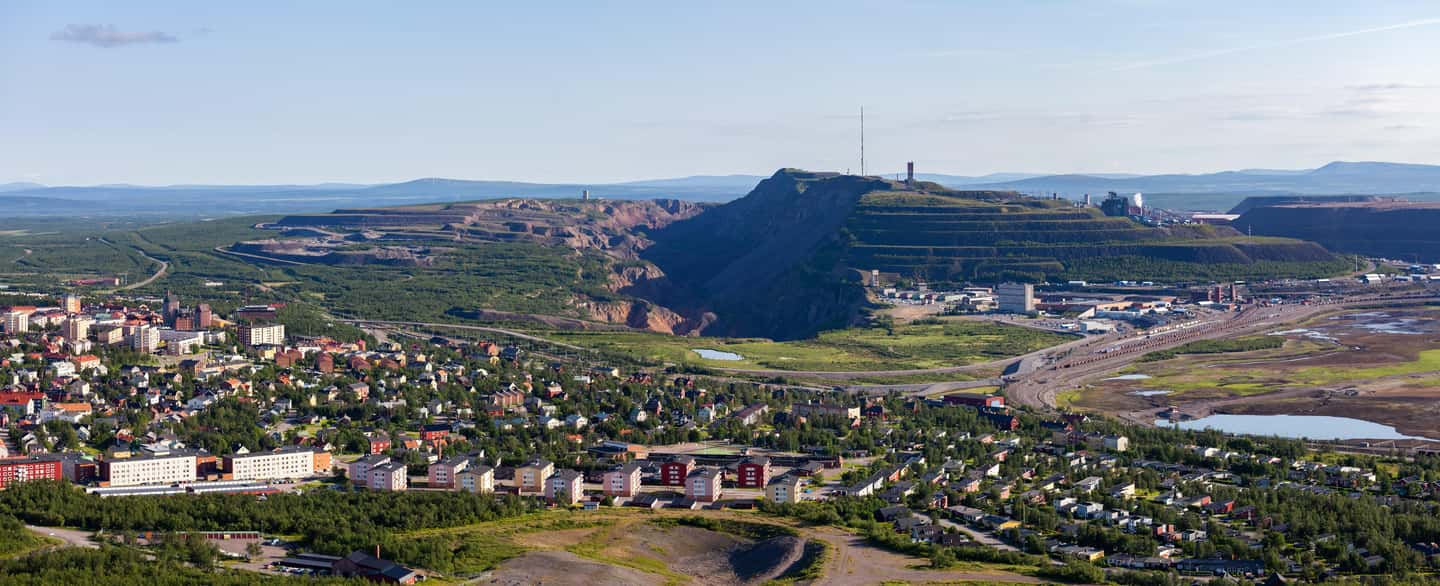
- Kiruna is being physically relocated: The tour explains why mining has forced the city center to move and shows both its older and newer parts.
- Hjalmar Lundbohm shaped the city: You learn how LKAB’s managing director and Kiruna’s founder tried to create a model society in the Arctic.
- Sámi and Tornedalian culture matter here: The tour places local identity and heritage alongside mining and industry.
- Jukkasjärvi adds an important regional link: You learn how the village developed as a market place and how its church and Sámi connections fit into the wider story.
- The bus makes a broad introduction possible: A comfortable vehicle takes you between key places, with an English-speaking guide explaining what you see.
- At $43, it is strong value for a first visit: Three hours of transport, guiding, and local context cost less than many specialized Arctic activities.
Why Kiruna’s relocation makes this tour different
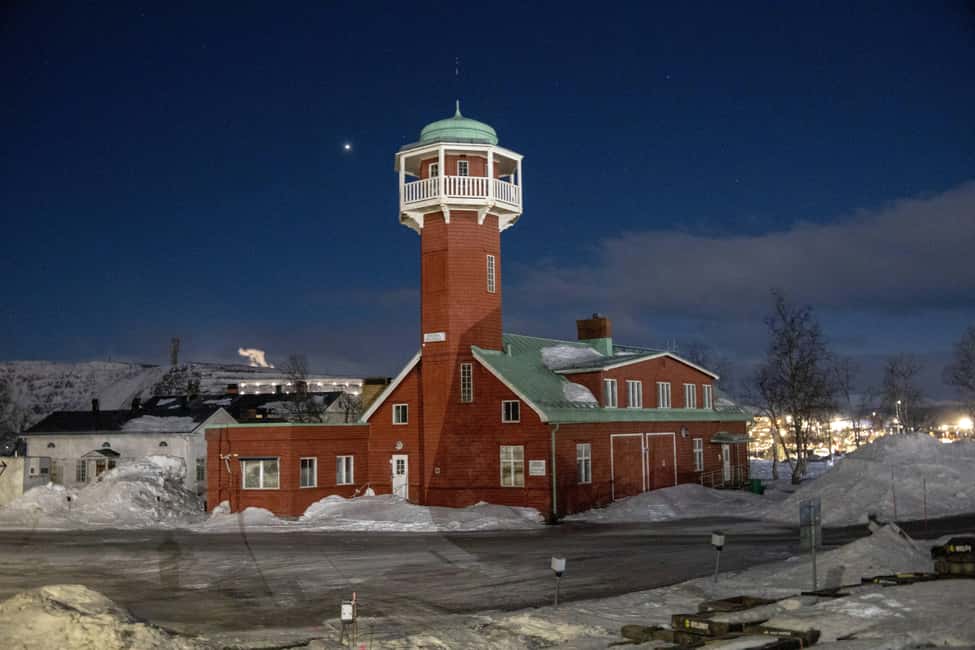
Many city tours help you identify buildings. This one explains why the city itself is changing position.
Kiruna grew around the iron mine operated by LKAB. The mine has shaped jobs, wealth, streets, architecture, and daily life. It has also created a serious problem: underground mining affects the ground beneath parts of the old city. Moving the center is the answer, but it is a huge social and practical undertaking.
That gives the tour an unusual subject. You are not simply looking at old buildings and then new buildings. You are seeing a town in the middle of a long transformation.
I find that context especially useful because Kiruna can be confusing at first. The old center and new center do not tell the whole story on their own. With a guide, the distance between them becomes part of the lesson. You can better understand why familiar places have been moved, why new public spaces are being built, and how the mining company has influenced the town.
The tour also helps you see Kiruna as a place where several histories meet. Mining is central, but it is not the only story. Sámi heritage, Tornedalian culture, settlement, trade, art, and regional transport all contribute to the town’s character.
A few more Kiruna options to compare
- Kiruna Northern Lights Tour with Photographer
★ 5.0 · 735 reviews - From Kiruna: Abisko National Park Northern Lights Tour
★ 4.4 · 462 reviews - Kiruna: Northern Lights Tour with Photos
★ 4.9 · 333 reviews
Starting at Kiruna Lappland Tourist Center
Your meeting point is the Kiruna Lappland Tourist Center. That makes the start simple, especially if you are staying in or near the central part of town and want a guided orientation before exploring alone.
The tour lasts three hours. That is long enough to cover several parts of Kiruna without turning the experience into an exhausting full-day commitment. It also gives the guide time to explain cause and effect, instead of rushing through a list of dates and names.
Transport is included, with a professional driver and an English-speaking guide. A comfortable bus is particularly useful in Kiruna, where cold weather can make long outdoor stops unpleasant. You can look outside, listen to the explanation, and move between different parts of town without having to plan every connection yourself.
The vehicle also lets the tour cover more ground than a walking route. That matters here because the old and new city areas are part of the subject. You are paying not only for narration, but also for a practical way to see a city that is spread across a changing urban area.
Starting times vary, so check availability before you plan the rest of your day. The tour is offered in English, and the guide is live rather than recorded. That gives you the chance to follow up when a point about the mine, a building, or local culture catches your attention.
Old Kiruna and the city center on the move
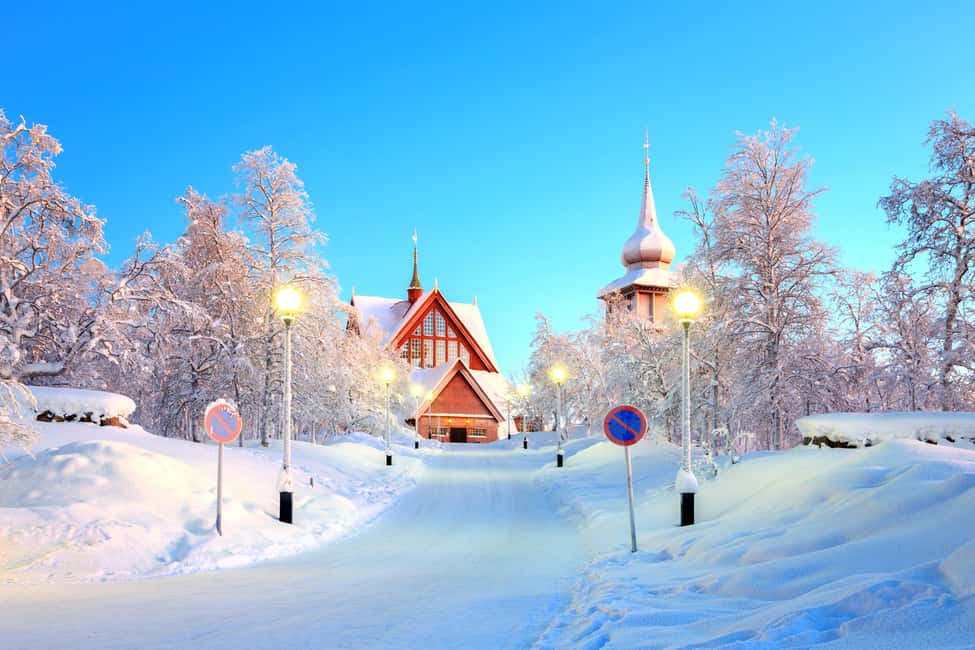
The old center is where the relocation story becomes most real. Instead of hearing about a distant construction project, you see the places connected with the city’s earlier life and learn why parts of Kiruna must move.
The guide introduces the history of the mine, the land, and the people who have shaped the area. This wider framing is important. A mining town is not just a collection of industrial buildings. It is a community built around work, family life, local traditions, and a difficult relationship with the ground beneath it.
Hjalmar Lundbohm is a major figure in this part of the tour. As LKAB’s managing director and Kiruna’s founder, he had a vision for creating a model society. The tour explains his role and gives you a way to see the town as a planned community, not simply a place that grew beside a mine.
I like that the tour includes this personal and civic angle. It gives you more to think about than mining output or engineering. Lundbohm’s plans reflected an effort to create a functioning society in a remote Arctic setting. The idea of a model society also helps explain why design, public buildings, and community life matter in Kiruna’s story.
You should expect the exact stops and order to depend on the day’s route. The main promise is a guided look at old and new Kiruna, not entry to every building or a detailed architectural inspection of each street. If you want a long, quiet walk through the old center, this bus-based tour may feel too brief. If you want a clear first picture of the city, the format works well.
New Kiruna and the practical side of relocation
The new center shows that relocation is not just a matter of picking up a building and placing it somewhere else. A city needs a working center, public services, gathering places, and a sense of identity.
The guide points out how the new Kiruna is developing and explains the connection between the old center and the new one. This is where you can ask practical questions about what has changed and what is still being built or moved.
The city’s relocation gives the tour a living quality. You are seeing an urban project in progress, not a finished historical display. That can be exciting, but it can also mean that the experience feels less polished than a tour through an established old town. Expect change, construction, and an evolving center rather than a neat before-and-after presentation.
For me, this is one of the best reasons to take the tour early in a Kiruna visit. It helps you understand the map before you start visiting museums, shops, or other local sights. You learn which center you are in, why the town is arranged as it is, and how the mine affects the future.
The tour gives you a useful framework for exploring on your own afterward. You may not remember every name, but you will have a better sense of why Kiruna looks different from a typical Swedish town.
A different sort of day, still within reach:
- Kiruna: Guided Snowmobile Tour and Swedish Fika Experience
★ 4.9 · 266 reviews - Sit Down Husky Ride Dog Sled Tour in Kiruna
★ 5.0 · 216 reviews - Kiruna: Aurora Wayfinding with Hidden Histories
★ 4.6 · 203 reviews - Kiruna: Guided Snowmobile Tour with Coffee Break
★ 4.4 · 173 reviews
Sámi and Tornedalian roots in Kiruna
A strong part of this experience is its attention to Sámi and Tornedalian heritage. That is important because Kiruna’s identity did not begin with LKAB.
The Sámi have longstanding cultural ties to northern Scandinavia, and their presence is part of the region’s story. Tornedalian heritage also helps explain the people and traditions of the far north. The tour presents these influences alongside the mining story, allowing you to see Kiruna as a meeting place of cultures rather than a single-industry town.
The guide’s role matters here. Cultural history can easily become a string of broad statements. A good explanation connects people, place, language, work, and tradition in a way you can follow. Lena was praised for making the subject clear and engaging, with one visitor describing the tour as a kind of Kiruna 101. That is a fair way to think of it: a compact introduction that gives you the main pieces without requiring previous knowledge.
You may also hear about art and the way local identity is expressed in public places. One account of the tour specifically praised its coverage of Kiruna’s people, history, and art. That makes the experience more than a mine briefing. It shows how a community tells its own story while its physical center is changing.
If Sámi culture is a central reason for your trip, treat this tour as an introduction rather than a complete cultural program. The supplied details promise explanation of Sámi heritage and its relationship with the area, but not a separate Sámi performance, meal, craft workshop, or extended cultural visit.
Jukkasjärvi and the church connection
Jukkasjärvi is included in the regional story as a market place. Its position helps explain how people, goods, and traditions connected across northern Sweden before modern tourism and large-scale industrial development changed the area.
The tour also covers the church and its relationship with the new Kiruna center. The information for the experience notes that Kiruna Church has been moved to the new city center and is closed for restoration after the move. Reopening is expected during 2027.
One detailed account also describes a stop in Jukkasjärvi to visit the church and hear about its relationship with the Sámi. Since the exact route can depend on the operating schedule and tour conditions, you should confirm what will be included on your chosen date if seeing a particular church is essential.
The important point is that you will hear how religious buildings, local communities, and Sámi heritage connect across the area. The church is not just a photo stop. It provides a way to discuss settlement, belief, design, and the movement of important buildings.
Do not book this tour expecting to walk inside Kiruna Church. It is closed until 2027, and restoration work follows its move to the new site. You can still learn about the church and its role, but the interior experience is not currently part of the tour.
How the guide and driver shape the experience
The quality of a short city tour depends heavily on the person doing the explaining. Three hours can feel either full of useful detail or padded with empty commentary.
Here, the strongest praise is directed at Lena. She is described as kind, clear, and able to cover Kiruna, Sámi people, and the mine in a way that made the visit more meaningful. Another account praised both the guide and the friendly driver, noting that the bus made the route comfortable.
That combination is worth noting. The driver handles the practical side of moving through the area, while the guide gives meaning to the stops. You are not left trying to work out why a building or street matters.
A live guide also gives the tour some flexibility. You can listen for the parts most useful to you, such as mining, local culture, city planning, or the church. The tour is in English, and the high rating of 5 out of 5 from seven reviews suggests a consistently strong early response, though that is still a small number of opinions.
Is $43 good value for three hours?
At $43 per person, I consider this a good-value introduction to Kiruna.
The price includes a professional driver, transport in a bus, and a professional English-speaking guide. You are also getting a route that links old Kiruna, new Kiruna, the mine story, local heritage, and the Jukkasjärvi connection. Reaching all of those subjects independently would take planning, and you might miss the links between them.
The tour is especially useful if you have only a short stay or want to understand the town before spending money on other Arctic activities. It is less expensive than many snowmobile, northern lights, or dog-sled outings, while giving you the background that can make those activities more meaningful.
Food and drinks are not included. That is easy to handle, since the tour lasts three hours, but plan a snack before or after if you are traveling in cold conditions. The tour also does not include entry inside the church.
I would not choose it if you want a slow architectural tour, a private vehicle, or a focused Sámi cultural program. For a broad, affordable introduction to Kiruna, though, the price is sensible.
Who should take this Kiruna tour?
I recommend it most strongly to first-time visitors who want a clear explanation of the city. It suits you if you enjoy history, local culture, mining, urban change, and guided sightseeing.
It is also a good choice for anyone who wants to get their bearings quickly. The bus covers more ground than a short walk, and the guide gives you a practical story to carry into the rest of your stay.
You may find it less suitable if you have limited mobility. The activity is not suitable for people with mobility impairments or wheelchair users, and non-folding wheelchairs, strollers, and baby carriages are not allowed. Pets are not allowed either.
Cancellation is flexible: you can cancel up to 24 hours ahead for a full refund. You can also reserve now and pay later, which helps if your northern Sweden plans are still shifting.
Should you book it?
Book this tour if you want to understand why Kiruna is moving, not just see what the town looks like today. The strongest reasons are the old and new city centers, the mine and Hjalmar Lundbohm story, and the inclusion of Sámi and Tornedalian heritage.
The closed church is the main limitation, and anyone with mobility concerns should choose carefully. Otherwise, $43 buys a useful three-hour orientation with transport, an English-speaking guide, and a route that connects Kiruna with Jukkasjärvi.
I would take it near the start of a Kiruna visit. It gives you the background, names, and local context that help the rest of the town make sense.
FAQ
How long does the Kiruna city tour last?
The tour lasts three hours.
What language is the tour in?
The live tour guide speaks English.
Where does the tour begin?
The guide picks you up at the Kiruna Lappland Tourist Center.
Does the tour include transportation?
Yes. A professional driver and bus transportation are included.
Is food or drink included?
No. Food and beverages are not included.
Can I visit inside Kiruna Church?
No. Kiruna Church is closed after its move and restoration work. It is expected to reopen during 2027.
Is the tour suitable for wheelchair users?
No. The activity is not suitable for wheelchair users or people with mobility impairments. Non-folding wheelchairs, strollers, and baby carriages are not allowed.
Can I cancel the booking?
Yes. You can cancel up to 24 hours in advance for a full refund. You can also reserve the tour and pay later.
New around Kiruna
- Half day Wildlife and Nature Photography★ 5.0 · 6 reviews
- Tour to Abisko national park★ 5.0 · 4 reviews
- Discover Kiruna: A Walk Through History and Nature★ 4.0 · 3 reviews
- Snowshoe up a Mountain★ 5.0 · 19 reviews
- Polar Sunrise Eco Experience (10:00-13:00- driving the sled)★ 5.0 · 14 reviews
- Sami day tour adventure★ 5.0 · 22 reviews
- Snowmobile Adventure in Lapland: Guided Tour from Kiruna★ 5.0 · 5 reviews
- Snowmobile Safari to Lapland viewpoint★ 5.0 · 7 reviews
City Tours, compared.
City Archipelago Sightseeing Cruise with Guide
Read our review →
Guided City Sightseeing Open Electric Boat Tour
Read our review →
Go City All-Inclusive Pass with 20+ Attractions
Read our review →
Browse the lists this tour appears in