Reviewed · GUIDED
Lessebo Paper Mill Guided Tour
Paper still starts with water, pulp, and patience. Lessebo Handpappersbruk turns that simple idea into a short, memorable visit, with a guided walk through a working old paper mill and a film showing how paper is made. I like the historic setting and the clear, practical look at handmade production. I also like that the tour includes time in the factory shop, where you can find second-quality paper goods at better prices.
The main consideration is timing. The English tour begins at 3 p.m., while Swedish starts at 1 p.m. and German at 2 p.m. The visit lasts about 45 to 60 minutes, and the building has stairs with no elevator. If stairs are difficult for you, mention it when booking so staff can arrange help.
In This Review
- Key points to know before you go
- Lessebo’s change from ironworks to paper mill
- What the 45 to 60 minute tour includes
- Why the German tours receive special praise
- The factory shop and second-quality paper
- Is $22.74 a fair price?
- Getting to the mill by car, train, or bus
- Stairs, access, and practical comfort
- Who will enjoy Lessebo most?
- A good one-hour addition to a Swedish itinerary
- Should you book the Lessebo Paper Mill tour?
- FAQ
- Where does the Lessebo Paper Mill tour begin?
- Where does the tour end?
- How long does the tour last?
- What languages are available?
- Is the film included?
- Is parking available?
- Can I reach the mill by public transportation?
- Are children admitted free?
Key points to know before you go
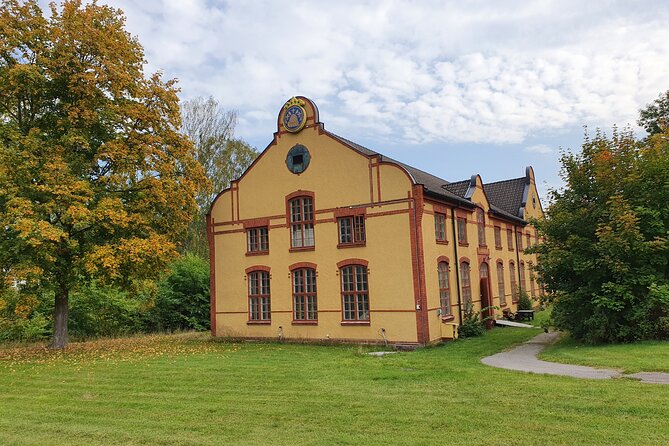
- A 17th-century paper story: Lessebo began as an ironworks and became a paper mill after 1648.
- Three language times: Swedish is offered at 1 p.m., German at 2 p.m., and English at 3 p.m.
- A film fills in the process: You see how paper is manufactured, even when the live tour cannot show every step in motion.
- Guide Marcel has earned praise: His German tours are described as both technically clear and exciting.
- Easy transport access: Free parking is available, and the mill is within walking distance of Lessebo bus and train station.
- Good for a short stop: The visit takes roughly one hour, with children under 12 admitted free.
Lessebo’s change from ironworks to paper mill
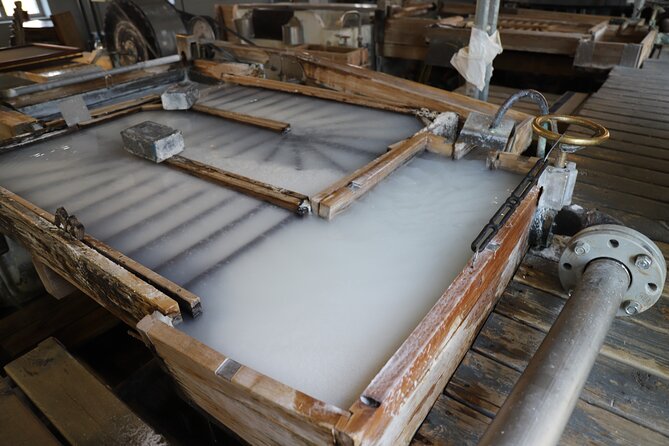
Lessebo Handpappersbruk gives you more than a look at old machinery. The site began as an ironworks, then changed direction after 1648 and became a paper mill. That shift gives the tour a human angle. The story is not only about tools and production, but also about the many people whose lives were tied to this place.
I find that setting especially useful for understanding why a small industrial site can matter. Paper mills depended on workers, local resources, changing markets, and generations of practical skill. At Lessebo, the building carries those connections in a direct way. You are not simply looking at an old object behind glass. You are visiting a place shaped by work.
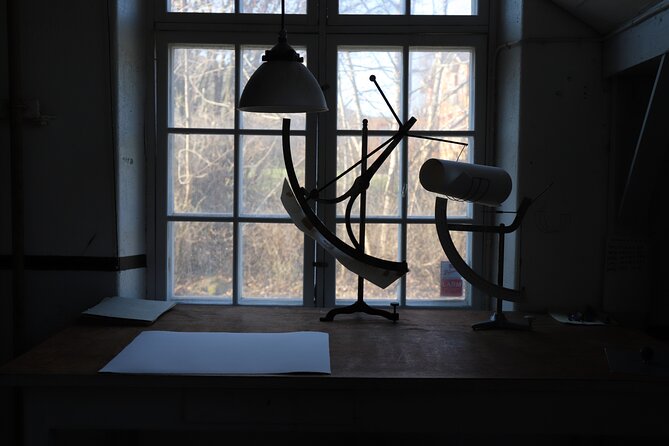
The tour is guided inside the hand paper mill, so you can expect the explanation to focus on how the facility operated and how paper was produced by hand. The accompanying film helps show the manufacturing process in a way that a walk through the building alone may not.
That combination is a smart use of one hour. The historic building gives you the physical setting, while the film gives you a clearer view of the production method. You get both the place and the process without needing a long museum visit.
A few more Sweden options to compare
- Ice Climbing Experience with Certified Guide
★ 5.0 · 204 reviews - Guided 5-Day Kayak & Wildcamp the Archipelago of Sweden
★ 5.0 · 73 reviews - Guarantee Northern Lights Hunt by Minibus With Local Guide
★ 4.1 · 13 reviews
What the 45 to 60 minute tour includes
The tour begins at Storgatan 79 in Lessebo and ends at the same location. Once the group is together, the guide leads you through the hand paper mill and explains its past and production methods.
The exact length varies from 45 to 60 minutes depending on group size. That matters if you are fitting Lessebo into a wider day of sightseeing. A smaller group may move more quickly, while a larger group can take longer as people ask questions or need assistance with stairs.
A short film is part of the visit. It shows how the paper is made, giving you a visual explanation of the process. That is helpful because historic production sites can sometimes be hard to understand from equipment alone. The film gives the visit a clear beginning-to-end picture.
The tour is limited to a maximum of 30 people. That is not a tiny private group, but it is small enough to keep the visit focused. The guide can explain the machinery and answer questions without dealing with a crowd of hundreds.
The format also suits different ages. Children under 12 go free, and the subject is practical enough to hold the attention of older children who enjoy machines, crafts, or how-things-work demonstrations. Adults interested in Swedish industrial history will find more context in the story of the mill’s development.
Why the German tours receive special praise
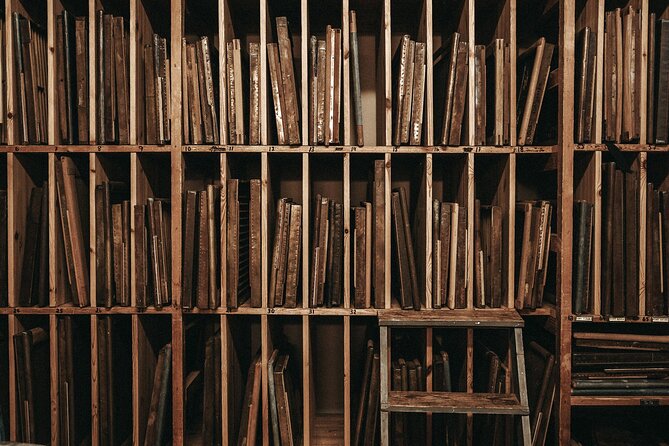
The German tour begins at 2 p.m., between the Swedish and English departures. Guide Marcel receives particular praise for his German presentations. His explanations are described as technically clear, informative, and exciting, with a strong introduction to the old production facility.
That is useful information if you speak German and are deciding between tour times. A good guide makes a difference at a site like this because the machinery and methods may not explain themselves. Marcel’s strength appears to be his ability to connect technical details with the broader story of handmade paper.
The English tour is scheduled for 3 p.m. The supplied information does not identify the English guide, so you should not assume Marcel leads that departure. Still, the structure is the same: a guided visit through the mill and a film about the production process.
If you understand Swedish, the 1 p.m. departure gives you the earliest start. German is at 2 p.m., and English is at 3 p.m. Check the time carefully when you book, especially if you are arranging a train or bus connection.
The factory shop and second-quality paper
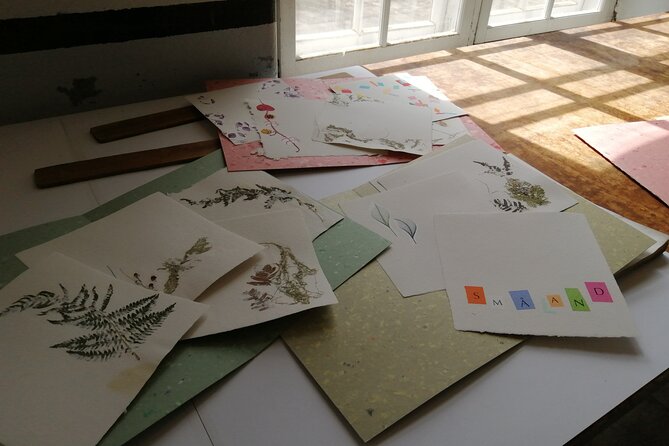
Before or after your tour, you can visit the factory shop. It offers second-quality products, which can make the stop more appealing if you want a practical souvenir rather than another decorative trinket.
Second quality does not mean the paper lacks a story. Small imperfections are part of the reason these items can be sold for less, and buying them gives you something connected to the mill’s craft. The information provided does not specify the exact products or prices in the shop, so it is best to treat the selection as a bonus rather than the main reason to visit.
I like the timing flexibility here. You can shop before the tour if you arrive early, or browse afterward while the details of the paper-making process are still fresh. If you are traveling with children or with someone less interested in industrial history, the shop gives the visit an extra purpose.
The shop also helps you judge the value of the admission price. At $22.74 per person, the tour is not free, but you receive a guided visit, a film, and access to a historic production site. A purchase from the factory shop could make the outing feel more worthwhile, although you should not count on finding a particular item.
A different sort of day, still within reach:
- The Ultimate Aurora Photo Adventure
★ 5.0 · 514 reviews - Arlanda Airport Bus Transfer Arrival
★ 3.5 · 490 reviews - Morning hike in Abisko National Park
★ 5.0 · 239 reviews - Husky Tour Sit and Drive Combo Tour from Kiruna
★ 5.0 · 147 reviews
Is $22.74 a fair price?
The price is $22.74 per person. I would call that a reasonable price for a one-hour specialist visit, especially if you have an interest in traditional crafts, Swedish industry, or historic working sites.
You are paying for more than entry into a building. The price includes the guided tour and admission to the film showing the production process. The guide adds structure and context, which is valuable when you are visiting a place with a long history but limited time.
The value depends on your interests. If you are curious about how handmade paper is produced, the price is easy to justify. If you want a large museum with many rooms, exhibits, or a full afternoon of activities, this may feel expensive for a one-hour stop.
The free admission for children under 12 improves the family value. A family can also use the factory shop to extend the visit without paying for another activity. The free parking and easy access from public transport help keep the total cost down.
You should also remember that the duration is approximate. The visit can last 45 minutes with one group and closer to an hour with another. That is long enough to feel substantial, but short enough to fit into a day based around other stops in the area.
Getting to the mill by car, train, or bus
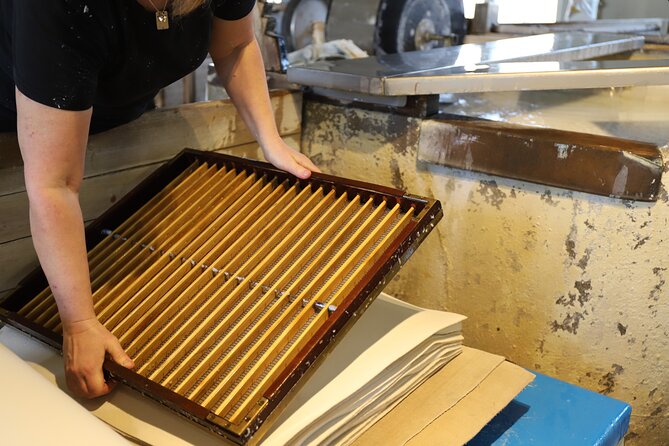
The meeting point is Storgatan 79, 360 50 Lessebo, Sweden. If you drive, free parking is available outside the paper mill. That makes the site convenient for a road trip through the area, since you do not need to search for a separate car park or budget for parking fees.
You can also reach Lessebo by bus or train. The paper mill is within walking distance of the bus and train station, so you do not need a taxi for the final stretch according to the provided information.
That public transport access is a real advantage for a small-town attraction. You can plan the visit without a car, but you need to match your arrival with the tour time. Since the English tour begins at 3 p.m., check your return connection before committing to the visit.
The experience ends back at the meeting point. You do not need to arrange a separate pickup or figure out where to go after the tour. If you are driving, your car remains outside the mill throughout the visit.
Stairs, access, and practical comfort
The building has no elevator. There is, however, a way to walk around the outside of the building to reach the kype and lower bottom. The wording suggests that the mill has different levels, and stairs are part of the standard route.
If climbing stairs is difficult for you, report that when booking. Staff can arrange for you to be accompanied. This is important because accessibility here depends on advance communication and personal assistance, not on a fully step-free building.
Service animals are allowed. The activity is described as suitable for most people, and it takes place near public transportation. These details make the visit reasonably approachable, but you should still raise any mobility concerns before arrival.
I would also allow a little extra time around the scheduled start. A short early arrival gives you a chance to find the entrance, use the parking area, or get oriented near the station. Since tour times are fixed by language, arriving late could be especially inconvenient.
Who will enjoy Lessebo most?
I would recommend this tour to you if you enjoy working heritage sites, traditional crafts, and practical history. It is a good fit for anyone who prefers seeing how something is made rather than only looking at finished objects.
Families can also make good use of it, thanks to free admission for children under 12. The one-hour length is manageable, and the film gives younger visitors a visual break from the guided explanation.
German-speaking visitors have an especially strong reason to consider the 2 p.m. departure, since Marcel’s German tours are praised for their clear technical explanations and lively presentation. Swedish speakers can choose the 1 p.m. tour, while English speakers should plan for 3 p.m.
I would be less likely to recommend it if your schedule allows only a quick unscheduled stop, since the tours have set times. It may also disappoint you if you expect a large museum or a long demonstration with every stage of production running live. The available information confirms a film and a guided visit, but does not promise a full live working demonstration.
A good one-hour addition to a Swedish itinerary
Lessebo Handpappersbruk works best as a focused stop. You get a short account of a site that began as an ironworks, a guided look at the paper mill, a film explaining production, and time to browse the factory shop.
The experience feels strongest when you pay attention to the connection between people and process. The paper is the finished product, but the real subject is the work behind it and the lives shaped by the mill over many years.
For me, the best reason to go is the combination of old industrial history and handmade craft. The visit is compact, clearly organized, and different from a standard city museum. The main caution is the building’s stairs and the fixed language schedule, both of which are easy to manage if you plan ahead.
Should you book the Lessebo Paper Mill tour?
Book it if you want a short, specialized visit with a genuine connection to Swedish working history. At $22.74, the guided explanation and production film offer fair value, especially when you add free parking, free admission for children under 12, and the chance to buy second-quality paper from the factory shop.
Choose the German departure if you want Marcel’s praised presentation, or select English at 3 p.m. if that is the language you need. If stairs are a concern, contact the provider before the visit so staff can arrange assistance.
I would skip it only if you need a fully step-free attraction, cannot fit a fixed tour time into your schedule, or want a much larger museum. For everyone else, Lessebo offers a worthwhile hour with paper, machines, human stories, and a useful glimpse into an old Swedish craft.
FAQ
Where does the Lessebo Paper Mill tour begin?
The tour begins at Storgatan 79, 360 50 Lessebo, Sweden.
Where does the tour end?
The activity ends back at the meeting point, at Lessebo Handpappersbruk.
How long does the tour last?
The tour lasts approximately one hour. The guided visit generally takes 45 to 60 minutes, depending on group size.
What languages are available?
The Swedish tour begins at 1 p.m., the German tour at 2 p.m., and the English tour at 3 p.m.
Is the film included?
Yes. The guided tour includes a short film showing how the paper production process is carried out.
Is parking available?
Yes. Free parking is available outside the paper mill.
Can I reach the mill by public transportation?
Yes. Lessebo can be reached by bus or train, and the paper mill is within walking distance of the bus and train station.
Are children admitted free?
Yes. Children under 12 are admitted free.
New around Sweden
- Visit the Sami and Reindeer in a Day Trip from Abisko★ 4.5 · 13 reviews
- The Battle of Visby: A Self-Guided Walking Tour Game★ 4.0 · 2 reviews
- Arlanda Express Train Airport and Stockholm City Transfer★ 5.0 · 3 reviews
- Private Walking Tour of Visby with Cathedral and Gardens★ 5.0 · 11 reviews
- Stockholm Top attractions all-inclusive Gran Tour Winter Edition★ 5.0 · 6 reviews
- Airport Transfer: Airport ARN to Stockholm by Business Car★ 4.0 · 3 reviews
- Stockholm Airport Arlanda Arrival transfer to Stockholm by Sedan★ 5.0 · 2 reviews
- Snowmobile tour★ 5.0 · 13 reviews
Guided, compared.

City Archipelago Sightseeing Cruise with Guide
Read our review →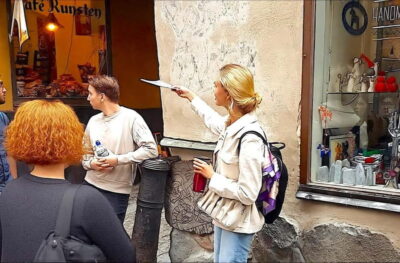
Stockholm Gamla Stan: Old Town Walking Tour with Local Guide
Read our review →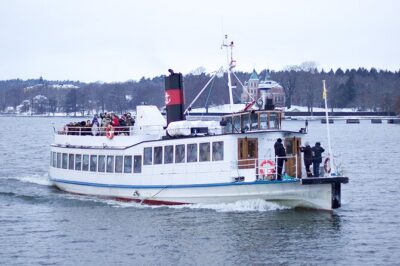
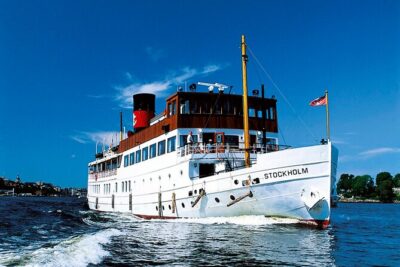
Royal Bridges & Canal Boat Tour with Audio Guide
Read our review →