
Reviewed · WINTER ACTIVITIES
Snowshoe up a Mountain
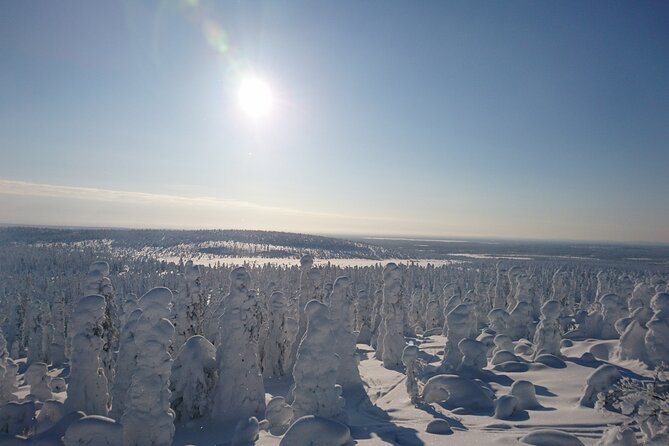
Trade trees for wide views. This snowshoe outing takes you above the forest near Kiruna, where winter light, animal tracks, and open mountain scenery replace the usual wall of trunks. I especially like the small groups of no more than eight and the warm local touches, including berry juice and homemade buns. The main thing to consider is the weather: cloud or snowfall can hide the summit view, and you need to bring your own suitable winter clothing.
I also like the way the walk mixes gentle discovery with exercise. Guide Anders has a warm, funny style, and he shares details about local wildlife and Kiruna’s past instead of simply leading you uphill. The climb is manageable if you are reasonably fit, but this is still a snowshoe hike, not a quick roadside photo stop.
In This Review
- Key points before you book
- Why this Kiruna snowshoe walk is different
- Pickup from three Kiruna hotels
- The climb: steady snowshoeing with frequent stops
- Reading animal tracks in the snowy forest
- Reaching the summit above the tree line
- The descent takes a different route
- What the $143 price really buys you
- Clothing is your responsibility
- Who will enjoy this experience most?
- A friendly guide makes the difference
- Should you book Snowshoe up a Mountain?
- FAQ
- Where does the snowshoe tour take place?
- How long does the activity last?
- What is the price?
- Where can I be picked up?
- Where will I be dropped off?
- What equipment is included?
- Is food or drink included?
- What languages does the guide speak?
- What happens if I need to cancel?
Key points before you book
- The group is limited to eight people, giving you more time to ask questions and stay close to the guide.
- Guide Anders adds local insight and humor, with stories about wildlife, nature, and the history of Kiruna.
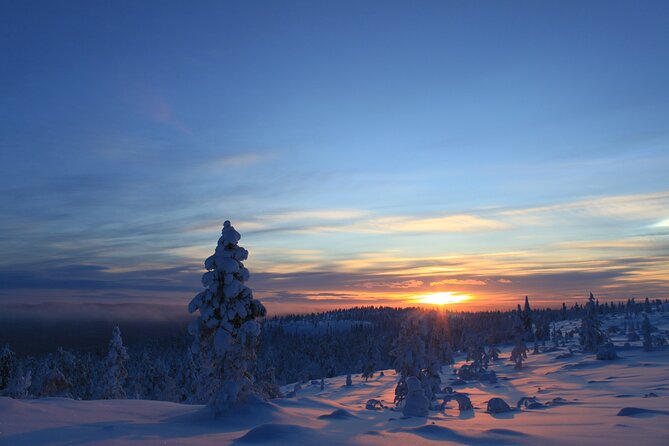
- The route rises above the tree line, offering a better chance of seeing winter colors, sunsets, and the surrounding terrain.
- You stop to read animal tracks, then take a different route down through deeper snow.
- Snowshoes, a hot berry drink, a guide, and a headlamp if needed are included.
- The $143 price is strongest for visitors who value personal guiding, rather than those seeking only a short walk in the snow.
Why this Kiruna snowshoe walk is different
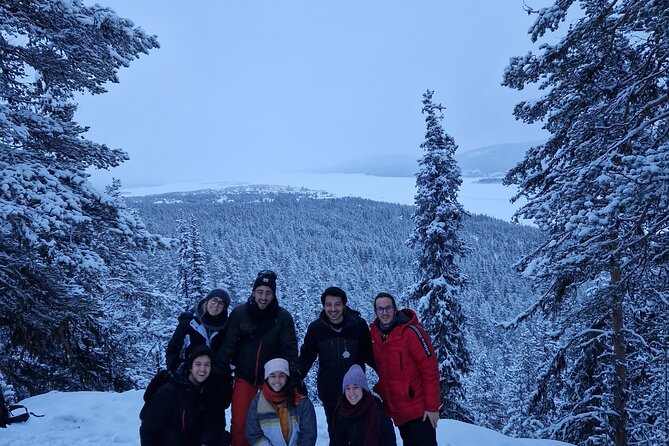
Kiruna in winter can feel enclosed. Snow-covered spruce and birch fill much of the view, and the low Arctic light can make the forest seem even more closed in. This trip solves that problem in a simple way: you climb until the trees thin out and the view opens.
The aim is not speed. You walk upward for about two and a half hours, stopping often to inspect tracks and notice features in the forest. That pace matters. Snowshoeing can feel awkward at first, and regular pauses let you settle into the movement without turning the outing into a race.
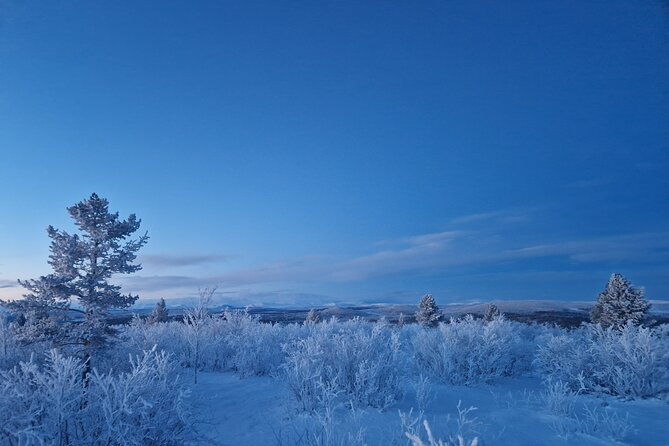
The reward comes from the changing winter light. Norrbotten’s daylight shifts sharply through the season, from the blue tones of Kaamos to sunsets filled with color. If the sky opens at the right moment, the summit becomes a fine place for photographs and a quiet look across the snowy terrain.
But you should keep your expectations realistic. A mountain view depends on the weather. One outing may offer a striking sunset, while another may bring cloud and limited visibility. The guide can take you to the high point, but no guide can order the sky to clear.
A few more Kiruna options to compare
- Kiruna: Daytime Snowshoe Hike
★ 4.9 · 96 reviews - Snowshoe in a Winter Forest
★ 5.0 · 40 reviews - Snowshoe in a Winter Forest
★ 4.9 · 20 reviews
Pickup from three Kiruna hotels
The experience begins with a short van ride, about 15 minutes each way. Pickup is offered at Camp Ripan, Best Western Hotel Arctic Eden, and Scandic Kiruna, with the van returning you to those same three places afterward.
The pickup order is Camp Ripan first, Hotel Arctic Eden second, and Scandic Kiruna third. The activity information says pickup begins before the official start, so I would be ready at your hotel at least 15 minutes early. One detail gives Camp Ripan as 10 minutes before the start, while the broader pickup instructions say 15 minutes, so arriving early is the safest choice.
Look for a black minivan marked with the Outdoor North 67 logo. That small detail is useful in winter, when several vehicles may be waiting outside hotels and snow can make signs harder to spot.
The drive is brief, which keeps the outing focused. You are not spending most of your paid time in a vehicle. The van simply gets you from Kiruna’s hotel area to the starting point, then brings you back after the walk.
The climb: steady snowshoeing with frequent stops
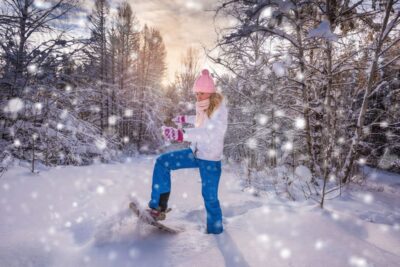
Once you reach the walking area in Norrbotten County, the main activity lasts about two and a half hours. Snowshoes are provided, so you do not need to bring your own equipment.
If you have never used snowshoes, expect a short adjustment period. Your feet feel wider and your stride changes, especially in soft snow. The guide’s regular pauses help, and the climb is described as manageable for someone who is basically fit.
That qualification is worth taking seriously. The route goes uphill, and the outing is long enough to require steady effort. You do not need to be an athlete, but you should be comfortable walking outdoors in winter for several hours. If your idea of a winter activity is a short stroll beside a hotel, this may feel more demanding than expected.
Anders pays attention to the group rather than treating everyone as a moving stopwatch. One participant who was not warm enough was lent a pair of insulated pants. That does not mean you should rely on spare clothing being available, but it does show the practical, caring approach that has made this guide such a strong part of the experience.
Reading animal tracks in the snowy forest
The walk is not just about reaching the top. Along the way, Anders stops to point out animal tracks and other signs in the forest.
Snow makes animal movement easier to notice. A set of prints can show that something passed through, changed direction, or moved across deeper snow. The provided details do not promise sightings of animals, and you should not book this as a wildlife-spotting tour. The value is in learning how to notice what is already there.
This is also where a local guide makes a difference. A marked winter path might get you uphill, but it will not explain the forest in a personal way. Anders talks about nature, wildlife, and Kiruna’s history, adding context to what you see underfoot and around you.
His style seems to suit people who like information without a formal lecture. The feedback repeatedly describes him as friendly, entertaining, passionate, and attentive. Humor helps too, especially during a climb when your legs are beginning to feel the work.
A different sort of day, still within reach:
- Kiruna Northern Lights Tour with Photographer
★ 5.0 · 735 reviews - From Kiruna: Abisko National Park Northern Lights Tour
★ 4.4 · 462 reviews - Kiruna: Northern Lights Tour with Photos
★ 4.9 · 333 reviews - Kiruna: Guided Snowmobile Tour and Swedish Fika Experience
★ 4.9 · 266 reviews
Reaching the summit above the tree line
The high point is the reason for the climb. Once you rise above the trees, the view changes from close forest to open winter scenery.
This is where the tour earns its place among Kiruna’s outdoor activities. You get a clearer sense of the area, rather than seeing only the immediate woods. The light can be the star of the show, particularly around sunset or during the blue glow of the darkest winter period.
You stop at the top for a hot drink, with local berry juice included. It is a modest detail, but an important one. Cold-weather activities are better when there is a warm pause built into the plan, and the drink gives you time to enjoy the view rather than immediately starting the descent.
Homemade buns add another welcome touch. They make the experience feel more personal than a standard equipment rental followed by a guide-led walk. The food is not a full meal, so eat properly before you go, but the snack is well suited to a short break on the mountain.
Bring a camera if you want photographs, but keep the conditions in mind. Snow, low light, and cold can make camera handling less comfortable. The tour provides a chance for pictures, not a guarantee of clear visibility or a specific sunset.
The descent takes a different route
The way down is not simply a repeat of the climb. The group uses another route, with more chances to see how animals move through the snow and to try deeper powder.
Deep snow is part of the fun, though it can also make the walk more tiring. Snowshoes help distribute your weight, but they do not make every step effortless. If you are new to the equipment, the descent may require attention, especially where the snow is loose or uneven.
A different route also keeps the outing from feeling like a basic uphill walk with a turnaround point. You see more of the area and get a second look at the forest from another angle. The guide can continue explaining tracks and winter conditions as the group returns.
The tour ends with the van ride back to the same three hotels. Since the walking portion is fixed at roughly two and a half hours, allow extra time for pickup, driving, fitting equipment, and the return drop-off when planning the rest of your day.
What the $143 price really buys you
At $143 per person, this is not the cheapest way to spend a winter afternoon in Kiruna. The price makes more sense if you want equipment, transport, and a guide in one compact outing.
You receive snowshoes, hot local berry juice, homemade buns, a local guide, and a headlamp if conditions require one. Pickup and drop-off from the three named hotels are also included. That saves you from arranging transport to an unfamiliar trailhead and from buying or renting snowshoes separately.
The small group matters most. With a maximum of eight people, Anders can keep an eye on the pace, explain tracks, answer questions, and respond if someone gets cold. A larger group might cost less per person, but it would likely feel less personal.
For me, the value is best for a first-time visitor who wants a guided introduction to winter nature near Kiruna. You are paying for local interpretation as much as for the walk. If you already own snowshoes, know the area, and prefer to hike alone, the price will be harder to justify.
There is also flexibility in the booking terms. You can reserve now and pay later, and cancellation is free up to 24 hours before the activity for a full refund. Those policies help if your Kiruna plans depend on weather or changing northern-light schedules.
Clothing is your responsibility
The provider does not supply extra clothing. You need to dress for the forecast and the activity, with enough warmth for a long winter walk and a stationary break at the summit.
The supplied information does not name a specific clothing list, so I would not treat the tour as a place to borrow a full Arctic wardrobe. One participant needed insulated pants and received help from Anders, but that was an act of care, not part of the stated inclusions.
Think about warmth at two different moments. You will generate heat while climbing, then cool down during stops and at the top. Clothing that lets you adjust layers is more useful than one heavy item you cannot remove.
The provider can supply a headlamp if needed. That is useful because Arctic winter daylight varies greatly, but it does not replace warm clothing, proper footwear, or protection from the weather.
Who will enjoy this experience most?
I would recommend this outing to reasonably fit visitors who want more than a quick snowmobile-style excursion or a flat walk through town. You get exercise, nature interpretation, mountain views, and a small taste of local hospitality in one 2.5-hour program.
It also suits first-time snowshoers. The guide provides the snowshoes, the group is small, and the pace includes regular stops. You can ask questions and learn as you go instead of trying to work out the equipment alone.
The multilingual guiding is another advantage. Tours are offered in English, Finnish, and Swedish, so you can choose the language that makes the nature and history explanations easiest to follow.
I would hesitate to recommend it to anyone who dislikes uphill walking, struggles with cold-weather activity, or needs a guaranteed view. The mountain is the point, and the climb takes real effort. Clear skies are never promised.
A friendly guide makes the difference
The strongest part of this experience is Anders. He is described as friendly, passionate, funny, attentive, and well informed about the area, wildlife, and history of Kiruna.
Those qualities matter more on a small outdoor tour than on a standard sightseeing route. You spend several hours near the same person, sometimes walking quietly and sometimes stopping to listen. A stiff or distant guide would make the trip feel long. Anders appears to keep the mood relaxed while still giving the group plenty to learn.
The personal attention also gives the tour a practical edge. Lending insulated pants to someone who was cold shows that he watches the group rather than focusing only on the schedule. That kind of care is especially useful in winter, when a small clothing problem can quickly affect the whole outing.
The combination of humor and local detail is praised again and again. You should expect a social, conversational walk rather than a silent nature trek.
Should you book Snowshoe up a Mountain?
Book it if you want a small, friendly winter outing with a real climb, local stories, and a chance to see Kiruna from above the trees. The strongest reasons are Anders, the group limit of eight, the animal-track stops, and the simple pleasure of berry juice and homemade buns at the top.
Think twice if you want guaranteed sunset photographs, a completely easy walk, or supplied winter clothing. The weather can block the view, the route requires reasonable fitness, and your clothing is your responsibility.
For the right visitor, the $143 cost is fair. You are getting transport, equipment, a guide, refreshments, and a more personal experience than a large group excursion. I would choose it early in a Kiruna stay, when you still have time to use the guide’s local advice and enjoy the area with a better sense of what lies beyond the town.
FAQ
Where does the snowshoe tour take place?
The walk takes place in Norrbotten County, near Kiruna, with the route climbing toward a mountain viewpoint above the tree line.
How long does the activity last?
The walking activity lasts about 2.5 hours. The van ride takes about 15 minutes each way, so allow additional time for transport.
What is the price?
The price is $143 per person.
Where can I be picked up?
Pickup is available from Camp Ripan, Best Western Hotel Arctic Eden, and Scandic Kiruna.
Where will I be dropped off?
You will be returned to the same three pickup locations: Camp Ripan, Best Western Hotel Arctic Eden, or Scandic Kiruna.
What equipment is included?
Snowshoes are included. A headlamp is also provided if it is needed.
Is food or drink included?
Yes. The activity includes hot local berry juice and homemade buns.
What languages does the guide speak?
The live guide can conduct the tour in English, Finnish, or Swedish.
What happens if I need to cancel?
You can cancel up to 24 hours before the activity for a full refund. You can also reserve now and pay later.
New around Kiruna
- Half day Wildlife and Nature Photography★ 5.0 · 6 reviews
- Tour to Abisko national park★ 5.0 · 4 reviews
- Snowshoe up a Mountain★ 5.0 · 19 reviews
- Discover Kiruna: A Walk Through History and Nature★ 4.0 · 3 reviews
- Polar Sunrise Eco Experience (10:00-13:00- driving the sled)★ 5.0 · 14 reviews
- Sami day tour adventure★ 5.0 · 22 reviews
- Snowmobile Adventure in Lapland: Guided Tour from Kiruna★ 5.0 · 5 reviews
- Snowmobile Safari to Lapland viewpoint★ 5.0 · 7 reviews
Winter Activities, compared.
Winter Kayaking, Swedish Fika and hot Sauna Experience
Read our review →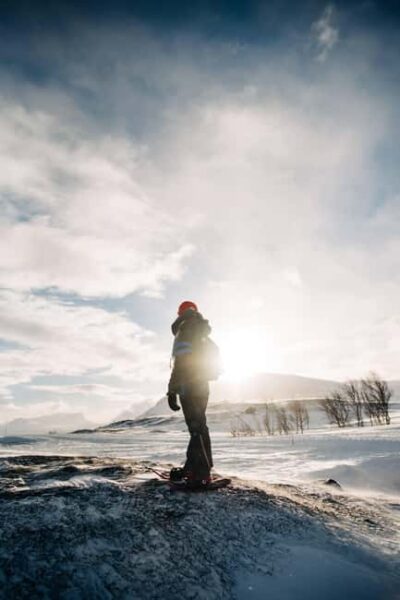
Browse the lists this tour appears in