
Reviewed · PHOTOGRAPHY SESSIONS
Kiruna: Wildlife and nature photography
Moose do not follow a timetable. That is part of the appeal of this four-hour Kiruna outing, where a local Sami guide leads you into the Arctic countryside in search of moose, birds, and other wildlife. You can borrow a camera with a tele-lens, or use your own camera or phone while learning how to work with northern light and snowy ground.
I like the small group of up to eight people, which gives the guide room to offer real photography help instead of shouting instructions across a bus. I also like the mix of wildlife and Sami culture. You are not simply driven around looking for animals. You hear about local life, nature, and the ways Sami guides understand this part of Norrbotten County.
The main consideration is patience. One outing included birds and moose beside the road, while the participant had hoped for foxes, hares, lynx, or wolves. Wildlife sightings are never promised, and some time can go into driving between areas. If you need constant action, this may feel slow.
In This Review
- Key points before you book
- Starting early from Kiruna
- Getting a camera ready for Arctic wildlife
- Searching for moose along the road
- Birds, feeding spots, and smaller encounters
- Sami guidance and a wider sense of place
- Blue and golden light across the seasons
- Warm clothing, snow, and comfort
- Fire, hot drinks, and the four-hour rhythm
- Is the $220 price fair?
- Who will enjoy this outing most?
- Booking advice and practical details
- Should you book the Kiruna wildlife photography tour?
- FAQ
- Where does the Kiruna wildlife photography tour take place?
- How long does the activity last?
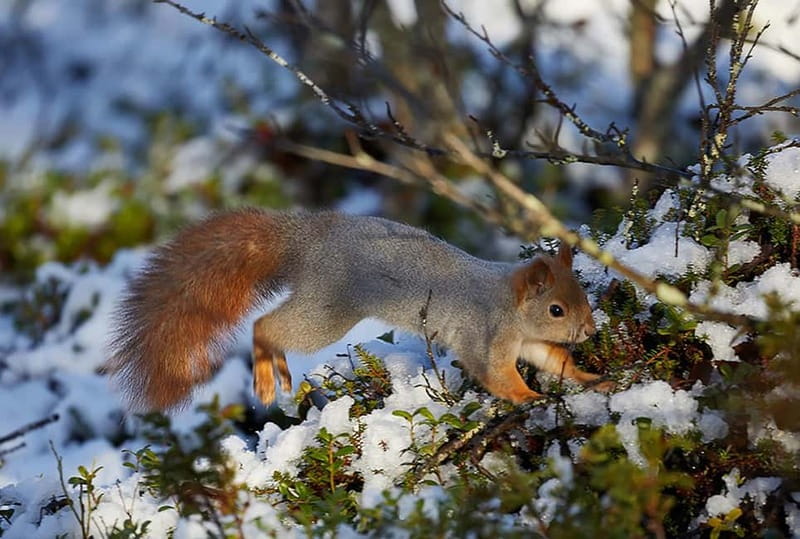
- What animals might I see?
- Is a camera provided?
- Do I need to bring an SD memory card?
- What should I wear?
- Is the tour suitable for children?
Key points before you book
- A tele-lens is available at no extra charge: You can borrow a camera suited to wildlife photography, though you need to bring your own SD memory card.
- The tour is led by a local Sami photo guide: Expect help with cameras, Arctic nature, and Sami life rather than a wildlife trip alone.
- Moose are the main hope, not a guarantee: You may also see birds and other Arctic animals, but sightings depend on conditions and luck.
- The light changes with the season: Blue and golden northern light, snow, and colorful autumn scenery give you different photo opportunities throughout the year.
- Warm gear is supplied: Covering clothes and winter shoes are included, though you should still wear warm layers and comfortable footwear.
- It suits patient photographers aged eight and older: You need to handle snow or uneven ground, and children share a camera with their parents.
Starting early from Kiruna
The morning pickup is practical, but check the exact meeting point carefully. Pickup from the Touris Center on Malmvägen 9B is around 8:00 am, while pickup from Camp Ripan is listed at 8:15 am. Pickup is also available from the Icehotel.
That early start matters in Kiruna. The light can be one of the best parts of the outing, especially when the day gives you soft blue tones or a warmer golden glow. You are also more likely to have the quiet feel that makes wildlife watching worthwhile.
The transport is part of the outing, not just a quick ride to a fixed viewing platform. You may spend a fair amount of time moving through the area before stopping to look for animals. One account found the driving time longer than expected. I would treat the ride as part of the search, while keeping your expectations realistic.
You are traveling in a small group rather than with a large coach party. With no more than eight participants, the guide can help adjust a camera, answer questions, and give each person a chance to look for wildlife. That is particularly useful if you are borrowing a camera and have little experience with a tele-lens.
A few more Kiruna options to compare
- Half day Wildlife and Nature Photography
★ 5.0 · 6 reviews - From Stockholm: Moose & Wildlife Safari with Campfire Dinner
★ 4.6 · 437 reviews - Evening Wildlife Safari with Campfire Dinner from Stockholm
★ 4.5 · 155 reviews
Getting a camera ready for Arctic wildlife
The included camera with tele-lens is a strong part of the price. Wildlife is often too far away for a standard phone image, and a tele-lens gives you a better chance of filling the frame without getting too close to an animal.
You receive an introduction to the camera, including the main controls you need for the outing. One especially positive detail is that the briefing covers the essentials without turning the morning into a technical class. You should expect practical help, not a full photography course.
You can also bring your own camera or mobile phone. That choice makes the activity work for different skill levels:
- If you are new to wildlife photography, use the supplied camera and ask the guide for help.
- If you already own a camera with a suitable lens, using familiar equipment may feel easier.
- If you mainly use a phone, the experience still gives you a chance to practice framing animals, light, snow, and wide Arctic scenery.
Bring an SD memory card if you borrow the camera. It is not included, and you do not want to find that out after the first good moose appears. A charged phone or camera battery is also sensible, although a spare battery is not specifically listed as part of the service.
Flash photography is not allowed. That is good practice around wildlife and avoids startling animals. You should also expect to maintain a safe distance rather than move closer for a dramatic frame.
Searching for moose along the road
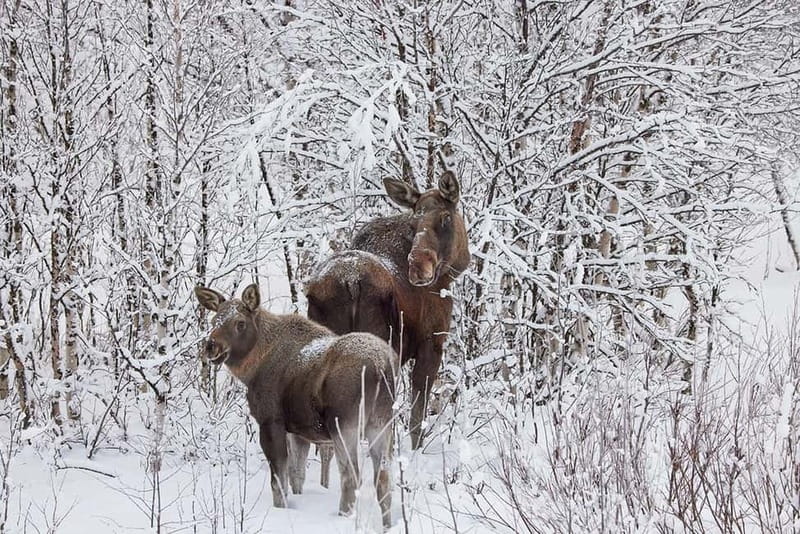
Moose are the star of this experience, but the tour does not promise a private close encounter. You may see them from the vehicle or from a suitable stopping point, depending on where animals are found that day.
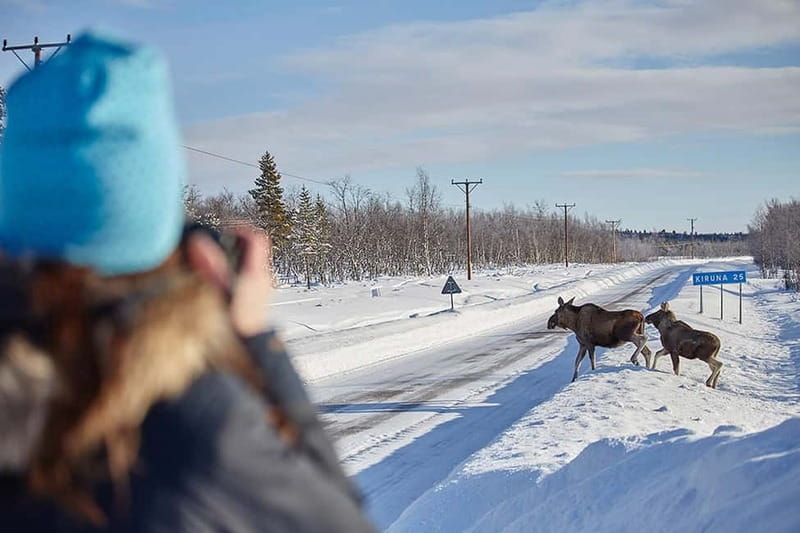
A previous outing included moose along the road, which shows the kind of sighting you may get. The phrase along the road is important. This is not a zoo visit or a guaranteed feeding station. The animal may appear for a short time, at a distance, and in a place that gives you only a few seconds to react.
That is where the guide’s photography advice earns its keep. You need to be ready with the camera, know how to use the tele-lens, and avoid wasting the sighting while searching through menus. If you are using your phone, have the camera open before you leave the vehicle.
The guide also helps you understand how to behave around animals. Keep a safe distance, stay calm, and follow instructions about when to get out or remain inside the vehicle. A good wildlife photograph is not worth disturbing an animal.
The tradeoff is that you may not see the full range of creatures you imagined. Foxes, hares, lynx, and wolves are possible hopes in this kind of Arctic setting, but they are not listed as guaranteed sightings. Plan around the experience of searching and observing, with moose as the main target.
Birds, feeding spots, and smaller encounters
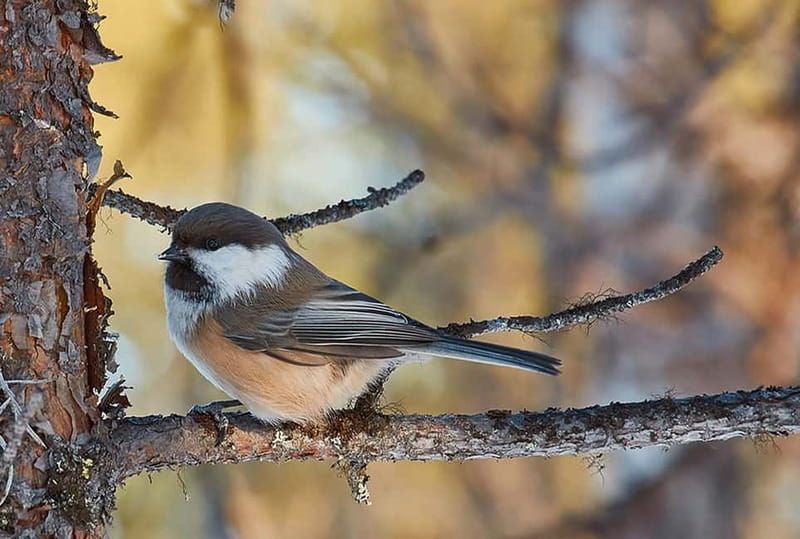
The tour can include birds as well as larger animals. One outing saw birds drawn to nests and food intentionally left by the Sami guides. This gives you a better chance of photographing smaller wildlife, though it also means the encounter is not entirely random.
For some people, that will be a useful photographic setup. Birds can provide practice with shutter speed, focus, and following a moving subject. If you are still learning how to use a camera, a more predictable bird encounter may help you get comfortable before trying to photograph a moose.
For others, this detail may feel less wild than expected. If your priority is finding animals in untouched conditions, ask yourself how you feel about birds being attracted to a prepared spot. The tour still takes place in Arctic nature, but the photographic opportunity has some planning behind it.
The best attitude is to see these stops as practice and observation rather than a promise of rare species. You might get a strong bird photograph even if the moose remain distant. You might also spend time looking at empty snow and trees. Both are normal parts of wildlife photography.
A different sort of day, still within reach:
- Kiruna Northern Lights Tour with Photographer
★ 5.0 · 735 reviews - From Kiruna: Abisko National Park Northern Lights Tour
★ 4.4 · 462 reviews - Kiruna: Northern Lights Tour with Photos
★ 4.9 · 333 reviews - Kiruna: Guided Snowmobile Tour and Swedish Fika Experience
★ 4.9 · 266 reviews
Sami guidance and a wider sense of place
The local Sami guide is what gives this activity more substance than a standard animal-spotting drive. You learn about Sami people and culture while moving through the area, and the guide shares practical knowledge about nature as well as photography.
That combination matters. You are not only asking where to point the lens. You are learning how people with a long connection to the region understand the seasons, animals, snow, and changing light.
The experience is designed to make you feel part of the area rather than simply passing through it. That does not mean a formal cultural program with a long lecture. Instead, the information is woven into the time outside, the wildlife search, and the guide’s comments about local life.
English and Swedish are available. If you want the cultural side to be a major focus, listen closely and ask questions. The guide’s time is shared among the group, but the small size should make conversation easier than on a large excursion.
Blue and golden light across the seasons
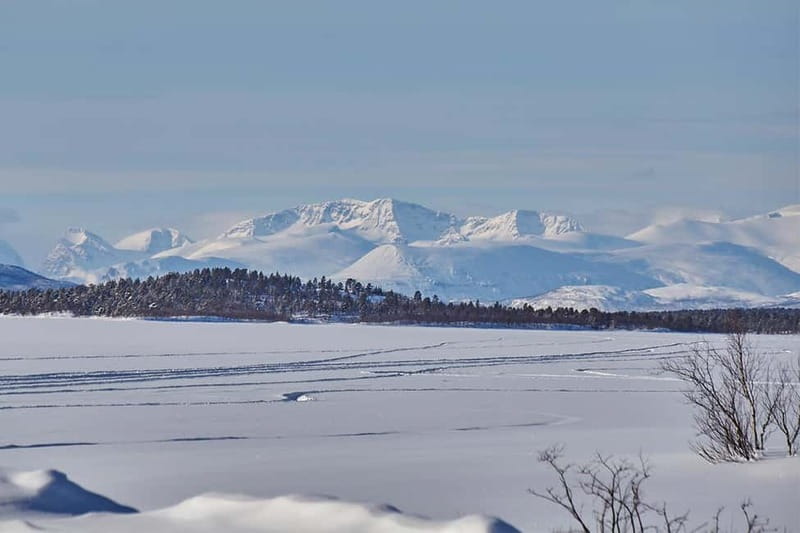
The photography changes with the time of year. In winter, you can expect deep snow and Arctic conditions. The cold creates the need for careful clothing, but it also gives you the clean, bright setting that makes wildlife silhouettes and animal tracks photograph well.
The description also points to the colorful autumn season. Autumn gives you a different setting, with changing color rather than an all-white foreground. The experience runs through the year, so the same basic tour can feel quite different depending on the month.
The light is one of the tour’s strongest creative features. Northern blue light can make snow and trees look cool and quiet, while golden light adds warmth to the scene. You do not need advanced photography skills to notice the difference. The guide can help you use the light rather than simply point the camera at it.
Still, the light is not guaranteed to be magical on every outing. Weather, cloud, time of day, and animal movement all affect the final images. If you judge the tour only by whether you return with a perfect photograph, you are giving luck too much power.
Warm clothing, snow, and comfort
Covering clothes and winter shoes are included, which is valuable in Kiruna. Arctic cold can make a four-hour outdoor activity uncomfortable if you arrive without proper gear, and the supplied clothing reduces the amount of specialist equipment you need to pack.
You should still bring warm clothing and comfortable shoes. The tour may involve walking in snow or on uneven ground, so it is not simply a vehicle-based outing. Wear layers that let you adjust as you move between the vehicle and outdoor stops.
The activity is not suitable for people with mobility impairments. It is also not suitable for children under eight. Children who are old enough to join share a camera with their parents, so families should not expect one camera per child.
The practical message is simple: dress for the Arctic, not for a mild city morning. Gloves that let you operate a camera are useful, though they are not specifically provided. You also need to be ready to stand outside while waiting for wildlife.
Fire, hot drinks, and the four-hour rhythm
A hot drink and cake are included. One particularly warm detail from the experience is having a hot drink by a fire, which gives the outing a welcome pause in cold conditions.
That break is more than a snack stop. Wildlife photography requires waiting, and a fire gives the group a chance to warm up, talk, and review what they have seen. It also adds a social, local feel that fits the Sami-led format.
The full activity lasts four hours. That is long enough to search several areas and practice with the camera, but short enough to fit into a larger Kiruna schedule. You should not expect four nonstop hours of photographing animals. Some time goes into pickup, transport, instructions, waiting, and moving through the countryside.
For me, that is a fair rhythm for a nature outing. You get time to slow down without committing an entire day to uncertain wildlife sightings. If you need a fast series of photo stops, the pace may frustrate you. If you like watching a place change as you wait, the length works better.
Is the $220 price fair?
At $220 per person, this is not a cheap moose sighting. The value comes from the combination of equipment, clothing, guide time, transport, and a small group.
The free camera and tele-lens are especially useful if you are visiting Kiruna without wildlife photography equipment. Hiring a good lens separately can be costly and inconvenient, and the included gear lets you try the activity without buying specialist equipment.
You also receive covering clothes, winter shoes, a hot drink, cake, pickup, and photography instruction. The group limit of eight adds value because the guide can spend more time helping you than on a large bus tour.
The price is harder to justify if you already have full camera gear, warm clothing, and a strong understanding of wildlife photography. In that case, you are mainly paying for the local guide, Sami perspective, transport, and the chance to find animals in the area.
The biggest risk is not poor service. It is nature itself. You can pay the full price and see only a few birds or distant moose. That is why I would book this for the guide and the complete Arctic experience, not as a guaranteed list of animal sightings.
Who will enjoy this outing most?
I would recommend it to you if you like photography but do not want to carry a full kit through Sweden. It also suits beginners who want a short introduction to wildlife photography, since the camera briefing focuses on the essentials and the guide offers tips during the activity.
It works well for visitors staying at the Icehotel or Camp Ripan because pickup is included. It also fits a morning in a Kiruna itinerary without taking the whole day.
You are likely to enjoy it if you appreciate Sami culture and want local context alongside outdoor scenery. The outing has more depth than a simple drive in search of moose.
You may want to skip it if you need guaranteed close views, rare predators, or a carefully planned series of photographic locations. You should also think twice if walking in snow is difficult or if cold conditions cause problems for you.
Booking advice and practical details
The tour is offered in English and Swedish. It has free cancellation up to 24 hours before departure, and you can reserve now and pay later, which helps if your Kiruna plans depend on weather or northern conditions.
Bring your own camera if you prefer, but still consider using the supplied tele-lens for wildlife. Bring an SD card if you borrow the camera, along with warm clothes, comfortable shoes, and any personal items you need for four hours outside.
Smoking and alcohol are not allowed in the vehicle. Flash photography is also prohibited. Follow the guide’s instructions, keep your distance from animals, and accept that the best moment may last only a few seconds.
Should you book the Kiruna wildlife photography tour?
Book it if you want a small, Sami-led nature experience with photography help, warm clothing, and camera equipment included. The moose search, Arctic light, and hot drink by the fire make a satisfying half-day plan, especially for beginners or anyone traveling without a tele-lens.
Do not book it expecting guaranteed foxes, lynx, wolves, or constant animal action. You may spend meaningful time on the road and could see only birds and moose at a distance. The right reason to go is the full experience: learning how to photograph the north, hearing about Sami life, and accepting the quiet uncertainty that makes wildlife photography real.
FAQ
Where does the Kiruna wildlife photography tour take place?
The tour takes place in Norrbotten County, Sweden, around Kiruna and the surrounding Arctic nature.
How long does the activity last?
The experience lasts four hours.
What animals might I see?
Moose and birds are specifically included among the possible sightings. Other Arctic animals may also appear, but sightings of foxes, hares, lynx, or wolves are not guaranteed.
Is a camera provided?
Yes. You can borrow a camera with a tele-lens for wildlife photography at no extra charge. You can also use your own camera or mobile phone.
Do I need to bring an SD memory card?
Yes. An SD memory card is not included, so bring one if you plan to save photographs taken with the supplied camera.
What should I wear?
Wear warm clothing and comfortable shoes. Covering clothes and winter shoes are provided, but you should still dress warmly for Arctic conditions and be ready to walk through snow or over uneven ground.
Is the tour suitable for children?
Children under eight cannot join. Older children share a camera with their parents rather than receiving a separate camera.
New around Kiruna
- Half day Wildlife and Nature Photography★ 5.0 · 6 reviews
- Tour to Abisko national park★ 5.0 · 4 reviews
- Snowshoe up a Mountain★ 5.0 · 19 reviews
- Discover Kiruna: A Walk Through History and Nature★ 4.0 · 3 reviews
- Sami day tour adventure★ 5.0 · 22 reviews
- Snowmobile Adventure in Lapland: Guided Tour from Kiruna★ 5.0 · 5 reviews
- Polar Sunrise Eco Experience (10:00-13:00- driving the sled)★ 5.0 · 14 reviews
- Snowmobile Safari to Lapland viewpoint★ 5.0 · 7 reviews
Photography Sessions, compared.
Magical Northern Lights Photography Tour Kiruna
Read our review →
Browse the lists this tour appears in