
Reviewed · CITY TOURS
Stockholm City Center: Seaside Skeppsholmen Guided Tour
Stockholm’s quieter islands tell louder stories. This 75-minute walk takes you beyond the usual Gamla Stan circuit and into Sweden’s naval and colonial past, with stops around the Royal Palace, Parliament House, Skeppsholmen, and Kastellholmen. I like the small maximum of six people, which gives guide Giancarlo room to answer questions rather than deliver a speech to a crowd. I also like the unusual subject matter, especially Sweden’s links to New Sweden along the Delaware River and St Barthélemy in the Caribbean.
The main consideration is the winter setting. You cover about 3.5 kilometers, and the tour is designed for outdoor walking in cold weather. The route ends around Strömkajen, with the option to warm up at the Nationalmuseum café, but food and drinks cost extra. At $31 per person, this is a good buy if you want specialist history and conversation, less so if you only want quick views of the city’s postcard sights.
In This Review
- Four things to know before you book
- Why this short walk covers unusual ground
- Meeting Gustav III beside the waterfront
- The Royal Palace and Sweden’s overseas ambitions
- Parliament House and the changing idea of power
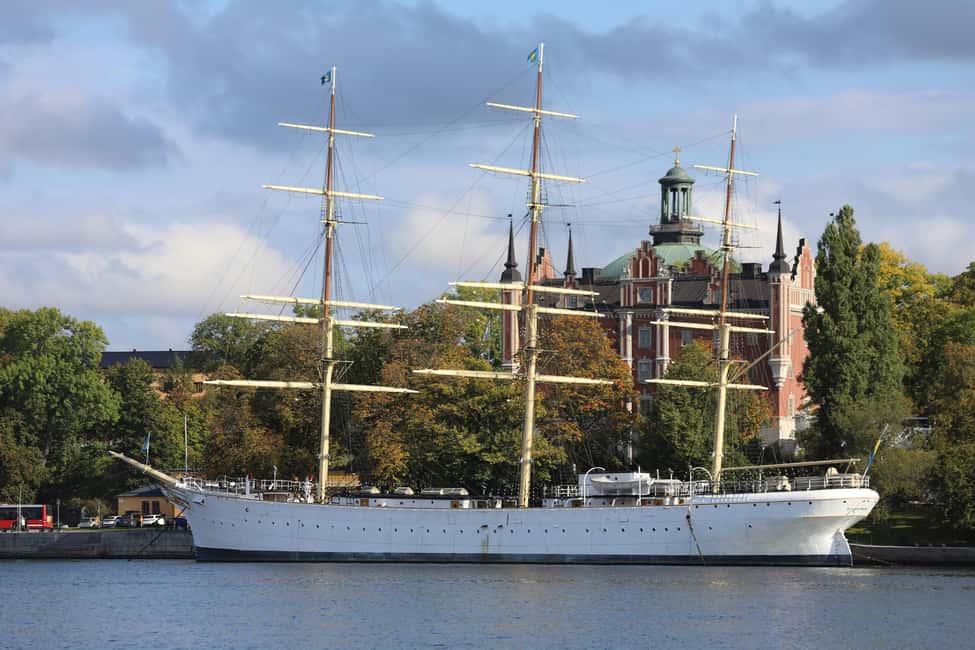
- Crossing to Skeppsholmen, Stockholm’s naval heart
- The Battle of Svensksund and Sweden’s naval record
- Kastellholmen and the citadel above the water
- What makes Giancarlo’s guiding style effective
- The optional fika stop and what it adds
- Is $31 good value for 75 minutes?
- Who should book this Stockholm walk?
- My call: book it for the stories, not just the scenery
- FAQ
- How long does the Skeppsholmen tour last?
- How far do you walk?
- Where does the tour begin?
- How do I identify the guide?
- What language is the tour offered in?
- What is the maximum group size?
- Is the tour wheelchair accessible?
- Is food or coffee included?
- What subjects does the tour cover?
Four things to know before you book
- Sweden’s overlooked overseas story: Hear about New Sweden, St Barthélemy, trade, slavery, and abolition.
- A six-person walking group: The small size suits curious people who want to ask questions along the way.
- A naval route through two islands: Explore Skeppsholmen and Kastellholmen, areas many standard city walks skip.
- A winter-friendly finish: The walk can end with optional coffee, tea, or pastries at the Nationalmuseum café.
- A guide with wide historical range: Giancarlo has been praised for clear explanations, strong recall of dates, and an easy way with questions.
- A 3.5-kilometer route: Wear comfortable shoes and warm clothes, even though the tour lasts only 75 minutes.
Why this short walk covers unusual ground
Most first visits to Stockholm focus on Gamla Stan, the Royal Palace, and the main shopping streets. Those sights deserve their place, but they can leave you with a tidy version of Sweden’s past: kings, canals, handsome buildings, and a carefully presented royal story.
This tour takes a different path. It uses the waterfront and naval islands to explain how Sweden tried to act like a major European power. The story reaches from Baltic warfare to distant colonies, then returns to the sailors, officers, shipbuilders, and workers who made that ambition possible.
I like that approach because the setting does part of the teaching. You are not simply looking at a palace and hearing royal names. You are walking toward the water, across a bridge, and onto islands shaped by military needs. The route helps you connect Sweden’s overseas ambitions with its naval strength at home.
The subject is not only flattering. The experience includes discussion of Swedish trade, slavery, and eventual abolition, along with royal ambition and military power. That gives you a more honest picture than a tour focused only on victories and elegant architecture.
More City Tours in Stockholm
- Stockholm: City Archipelago Sightseeing Cruise with Guide
★ 4.3 · 10,798 reviews - Stockholm: City Sightseeing Hop-On Hop-Off Bus Tour
★ 3.9 · 682 reviews - Stockholm: Guided City Sightseeing Open Electric Boat Tour
★ 4.8 · 645 reviews
Meeting Gustav III beside the waterfront
The walk begins by the statue of Gustav III at Skeppsbron. Look for the guide in a black jacket carrying a black umbrella. This clear meeting detail matters in a busy waterfront area, especially in winter when you may prefer not to stand around searching for a stranger.
Gustav III is a useful figure for opening the tour. He is remembered as a patron of culture, but he was also criticized for his authoritarian style. The guide uses his reign to introduce Sweden’s wider ambitions and the royal decisions that helped shape its brief colonial empire.
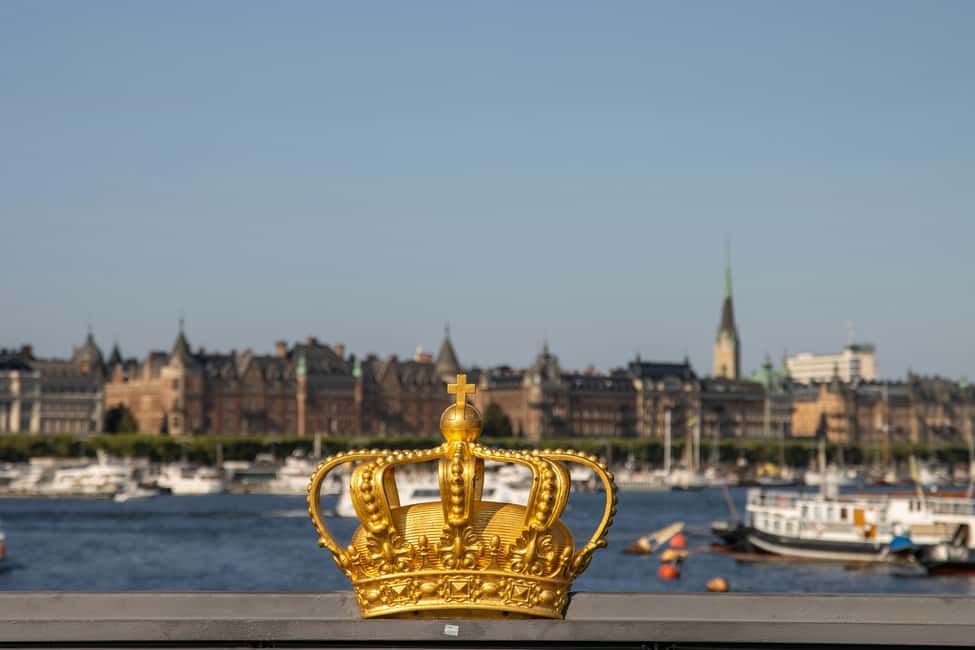
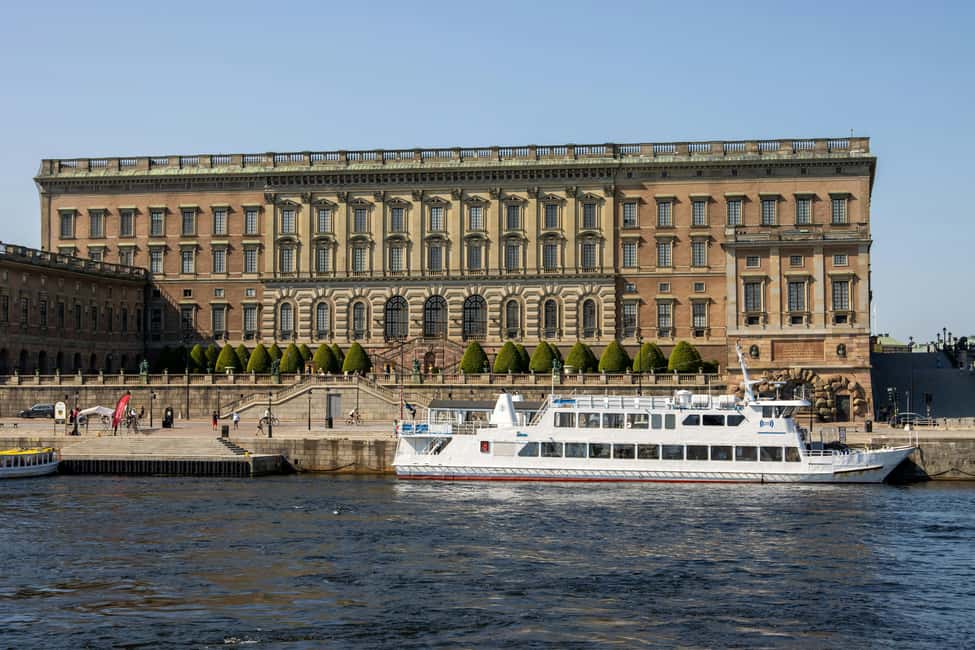
From this starting point, you can look toward the Royal Palace and the waterfront that once supported naval departures and maritime trade. The scene is calm today, but the tour asks you to picture sailors preparing for long journeys and a monarchy trying to extend its reach beyond the Baltic.
This first section is likely to appeal to anyone who enjoys political history. It is less about listing royal dates and more about asking what a country hoped to gain from overseas ventures. The small group should help here, since you can pause for clarification if the political background becomes dense.
The Royal Palace and Sweden’s overseas ambitions
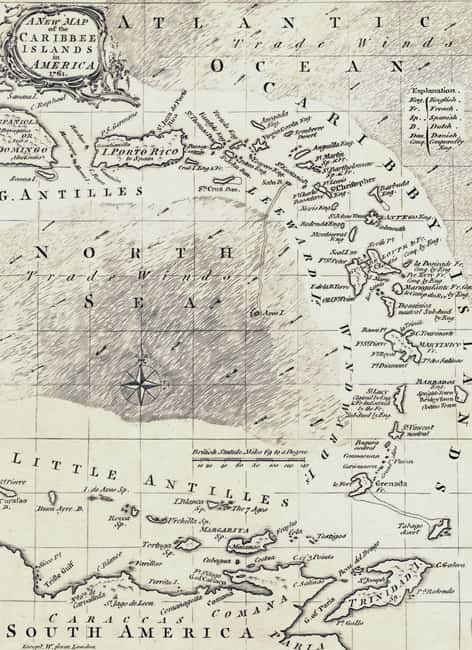
The route passes the Royal Palace and brings in Sweden’s early overseas ventures. One of the most striking stories concerns New Sweden, a little-known colony along the Delaware River. Many people associate colonial expansion with larger European powers, so learning that Sweden also tried to establish a foothold in North America adds a useful twist to the usual story.
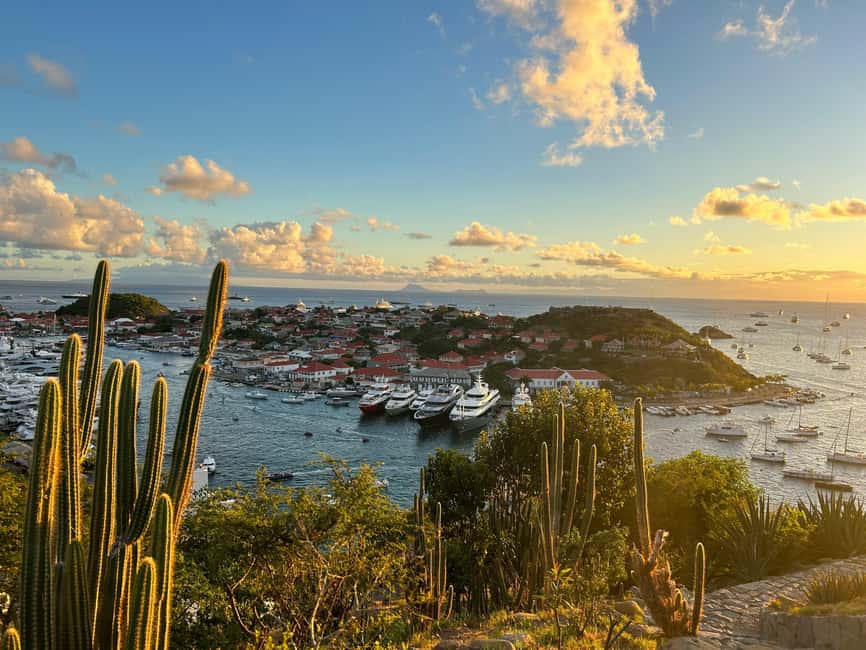
The guide also discusses Sweden’s later acquisition of St Barthélemy in the Caribbean. These examples show that Swedish colonial activity was brief, limited, and often overshadowed by the empires of other countries. That does not make the subject unimportant. It lets you examine how a smaller European state tested its power, sought trade, and entered systems connected to slavery.
I value this part because it connects Stockholm to places that seem far removed from the city. The waterfront is not just a scenic backdrop. It becomes the point where royal plans, merchants, sailors, and distant colonies meet.
Expect sensitive subject matter. The tour addresses slavery and Sweden’s eventual abolition, so it is not a light royal stroll. The material is suited to you if you want a more complete account of Sweden’s role in global trade. If you prefer architecture with little historical discussion, this may feel more serious than expected.
Parliament House and the changing idea of power
Parliament House provides another useful stop near the center of the route. Here, the focus can shift from royal authority to the wider question of how power was organized and challenged in Sweden.
The tour description does not promise a long interior visit, so think of this as an outdoor sightseeing stop rather than a parliamentary tour. You will see the building and hear how Sweden’s political story fits into the larger account of royal ambition, military policy, and overseas activity.
I like the contrast between the Parliament and the palace. One represents public political life, while the other recalls monarchy and royal decision-making. Together, they make the opening section more than a sequence of pretty buildings.
The stop also helps keep the tour connected to the modern city. You are not being led through a museum exhibit detached from daily life. You are moving through central Stockholm while learning how the country’s institutions and ambitions changed over time.
A few more Stockholm options to compare
- Stockholm: ABBA The Museum Entrance Ticket
★ 4.7 · 11,280 reviews - Stockholm: Skansen Open-Air Museum Admission Ticket
★ 4.5 · 3,427 reviews - Stockholm: Hop-On Hop-Off Bus or Boat Option
★ 4.0 · 3,260 reviews - Stockholm: Archipelago Boat Tour
★ 4.4 · 3,110 reviews
Crossing to Skeppsholmen, Stockholm’s naval heart
The walk then crosses to Skeppsholmen. This is where the tour’s main theme comes into focus. For centuries, the island served as a center of Swedish naval command, and its buildings and waterfront supported the officers, shipwrights, and sailors who kept the fleet running.
The Admiralty House is one of the key sights. You should not expect a long indoor museum visit here. The value comes from hearing how the building and surrounding island functioned within Sweden’s naval system.
This is also where a guide’s preparation matters. A general city guide might point out the architecture and move on. Giancarlo’s tour is built around the people and institutions behind it: military officers, craftsmen, crews, and the practical work required to support a navy.
I would give this section extra time in your attention, even though the full tour is short. The island’s quieter paths make it easier to picture the naval activity that once filled the area. In winter, icy water and low light can add atmosphere, though you should dress for the conditions rather than rely on the scenery to make the cold pleasant.
The Battle of Svensksund and Sweden’s naval record
Near Skeppsholmen, you encounter the monument to the Battle of Svensksund. The battle is presented as one of the largest naval battles fought in northern waters, making the monument an important stop for understanding Sweden’s military past.
The useful thing here is scale. A monument can seem like a static object if you do not know what it refers to. The guide supplies the conflict and naval context, helping you see the island as part of a larger military story rather than simply a peaceful waterfront park.
This section will suit anyone interested in battles, ships, and strategy. It may be less satisfying if you want a detailed military lecture with extensive dates and technical information, since the entire walk lasts only 75 minutes and must also cover royal politics, colonial links, and two islands.
Still, the battle story adds drama without turning the tour into a parade of war memorials. It is one part of a broader account that includes work, trade, empire, and everyday maritime life.
Kastellholmen and the citadel above the water
The route continues to Kastellholmen, the smaller island crowned by a historic citadel. The island once held shipyards, defenses, and naval training grounds. Today, its paths offer open waterfront views and a quieter break from central Stockholm.
This may be the most atmospheric stretch of the walk. The combination of winter light, cold water, and historic military buildings gives the route a strong sense of place. I like that the tour does not rush straight back toward the busiest streets. It lets you see a side of Stockholm shaped by the sea and military service.
The citadel also gives the guide another chance to explain how defense worked in practical terms. You hear about the structures and training areas, but also about the people who lived and worked around them.
Keep the route length in mind. The tour covers approximately 3.5 kilometers, which is manageable for many people but still calls for comfortable shoes. Since the tour is wheelchair accessible, that is an important plus, but anyone with specific mobility concerns should consider the distance and winter conditions when deciding if this pace suits them.
What makes Giancarlo’s guiding style effective
The strongest praise for this experience centers on Giancarlo’s delivery. He has been described as friendly, enthusiastic, and able to leave room for discussion. That is especially valuable on a subject that can move from Swedish kings to Caribbean colonial history in a short time.
I also like the evidence of flexibility in the feedback. One participant received the tour in Spanish while a friend followed in French, with both feeling included. The advertised tour language is English, so do not assume another language is guaranteed, but this does suggest that Giancarlo can communicate with unusual range.
People who have taken other tours with him have returned for another experience. That points to a guide who treats history as a conversation rather than a memorized script. He is also praised for remembering many details and dates, answering difficult questions, and keeping the walk lively.
The small group supports this style. With no more than six participants, you can ask why Sweden pursued a Caribbean colony, how the navy supported royal policy, or what happened to these overseas projects without holding up a large crowd.
The optional fika stop and what it adds
The walk can conclude at the Nationalmuseum café, where you can buy coffee, tea, or pastries. This is not included in the $31 price, so budget separately if you want the fika.
I see the café as a useful ending rather than a major part of the tour. After 75 minutes outdoors, a warm drink gives you time to ask final questions and think through the connections between Stockholm, the Delaware River, and the Caribbean.
The precise finishing point is given as Strömkajen, so check the meeting and ending details when you book. The important point is that the route finishes near a warm café option, not that a meal is part of the experience.
If you are traveling with someone who does not want a full museum visit, this optional stop is a simple compromise. You can sit with a pastry while discussing the tour, or continue on your own if you have other plans.
Is $31 good value for 75 minutes?
At $31 per person, the tour is not the cheapest way to see Stockholm’s waterfront. You are paying for a live guide, a maximum group of six, and a focused subject that is hard to absorb from a standard city map.
I think the price is fair for three reasons. First, the route covers central sights plus two less familiar islands. Second, the guide brings together Swedish naval history, royal policy, colonial activity, trade, slavery, and abolition. Third, the small group gives you a better chance to ask questions than a large public walk.
The value drops if you want a broad introduction to Stockholm. This tour does not appear designed to cover every major city sight, nor does it offer food, drinks, or transportation to the meeting point. You will need to make your own way to the Gustav III statue and dress for a 3.5-kilometer outdoor route.
Free cancellation up to 24 hours before the start and the option to reserve without paying immediately add useful flexibility. Those policies are practical, but the real reason to book is the subject and the quality of the guide.
Who should book this Stockholm walk?
I would recommend it to:
- History lovers who want more than royal interiors and old streets.
- Repeat visitors and Stockholm residents looking for a different angle on the city.
- Curious first-time visitors who enjoy connecting local places with global events.
- Small-group fans who prefer conversation over a fixed lecture.
- People interested in colonial history and Sweden’s role in trade and slavery.
- Visitors comfortable walking outdoors in winter, with warm clothing and practical shoes.
I would be more cautious if you have limited time and need a complete city overview. I would also think twice if cold weather, a 3.5-kilometer walk, or discussions of slavery and military conflict are not a good fit for your day.
My call: book it for the stories, not just the scenery
Book this tour if you want Stockholm to make sense beyond Gamla Stan. The palace, Parliament, naval buildings, islands, and citadel are all worthwhile, but the real value comes from the connections between them.
I especially recommend it if you have already seen the city’s standard sights or if you enjoy asking questions. Giancarlo’s strongest qualities are his command of detail, friendly manner, and willingness to discuss difficult points. For $31, that makes this a focused and personal way to meet a less familiar Stockholm.
Skip it if you want indoor sightseeing, a food experience, or a broad introduction to every major landmark. For everyone else, bundle up, wear good shoes, and give Sweden’s short-lived overseas story a morning or afternoon of your attention.
FAQ
How long does the Skeppsholmen tour last?
The tour lasts 75 minutes.
How far do you walk?
The route covers approximately 3.5 kilometers, or 2.2 miles.
Where does the tour begin?
You meet by the statue of Gustav III at Skeppsbron.
How do I identify the guide?
The guide will be wearing a black jacket and carrying a black umbrella.
What language is the tour offered in?
The advertised tour language is English.
What is the maximum group size?
The group is limited to six participants.
Is the tour wheelchair accessible?
Yes, the activity is listed as wheelchair accessible.
Is food or coffee included?
No. Food and drinks are not included, but you can optionally buy coffee, tea, or pastries at the Nationalmuseum café.
What subjects does the tour cover?
The tour covers Gustav III, Swedish royal ambition, naval power, the Royal Palace, Parliament House, Skeppsholmen, the Admiralty House, the Battle of Svensksund, New Sweden, St Barthélemy, trade, slavery, and Sweden’s eventual abolition of slavery-related practices.
New around Stockholm
- World War II Stockholm Old Town Walking Tour and Army Museum★ 4.6 · 4 reviews
- 3 Hours Guided Shopping Tour in Stockholm Thrifting Stores★ 5.0 · 4 reviews
- Scandinavian Art, Architecture and Design Tour in Stockholm★ 4.5 · 11 reviews
- Wolf and Wildlife Tracking in Sweden★ 5.0 · 9 reviews
- Private Tour: Swedish History Day Trip to World Heritage Candidate Markim-Orkesta from Stockholm★ 5.0 · 8 reviews
- Drottningholm Palace Private Guided Tour★ 4.5 · 15 reviews
- Voyage of the Vikings: Guided Exploration Through Sweden’s Past★ 5.0 · 2 reviews
- Vaxholm Day Trip From Stockholm: Cruise, Fortress, Swedish Fika★ 5.0 · 2 reviews
City Tours, compared.

City Archipelago Sightseeing Cruise with Guide
Read our review →
Guided City Sightseeing Open Electric Boat Tour
Read our review →
Go City All-Inclusive Pass with 20+ Attractions
Read our review →
Browse the lists this tour appears in