

Reviewed · MUSEUMS
Stockholm: ABBA The Museum Entrance Ticket
ABBA still knows how to fill a room. On Djurgården, ABBA The Museum turns the band’s career into a hands-on musical playground, with original costumes, gold records, instruments, awards, recording memories, quizzes, karaoke, and virtual performances. You do not simply walk past glass cases here. You sing, dance, pose, and even join the band as its unofficial fifth member.
I especially like the personal audio stories from Agnetha, Benny, Björn, and Frida, along with the chance to see genuine stage outfits and instruments rather than ordinary pop memorabilia. The interactive sections are another strong point: you can create music, try virtual costumes, perform with digital ABBA avatars, and test your singing. The main drawback is crowding, particularly at busy times, and the $28 admission can feel high if you have only a passing interest in the group.
In This Review
- Key Points Before You Go
- Finding ABBA on Stockholm’s Djurgården Island
- From Folk Singers to Eurovision Winners
- Costumes, Instruments, and the Arrival Helicopter
- The Audio Stories from All Four Members
- Becoming ABBA’s Fifth Member
- Karaoke, Quizzes, and the Parts That Take Time
- How Much Time Should You Allow?
- Is the $28 Ticket Good Value?
- Who Will Enjoy This Most?
- Practical Tips for a Smoother Visit
- Should You Book ABBA The Museum?
- FAQ
- Where is ABBA The Museum located?
- How long does a visit take?
- Is the audio guide included with the ticket?
- Can I sing and perform with ABBA?
- Can I take photographs inside?
- Is the museum wheelchair accessible?
- Can children enter for free?
Key Points Before You Go
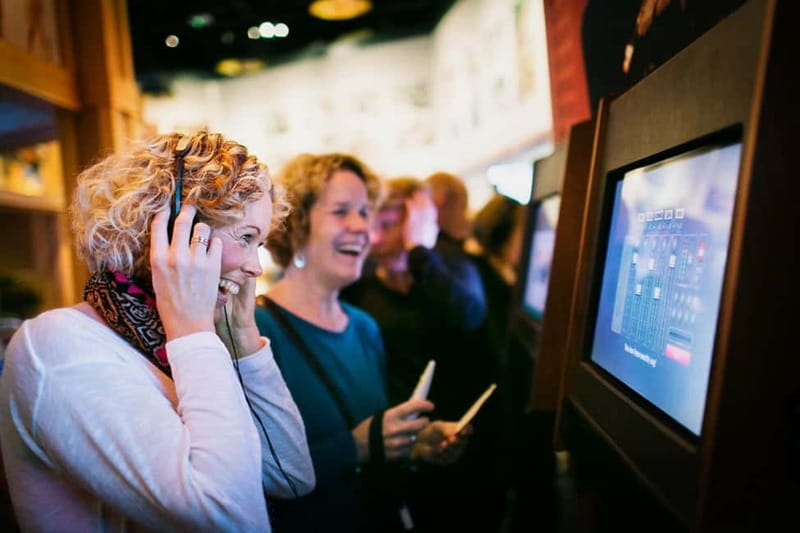
- The fifth-member stage is the big payoff: Sing and dance alongside digital versions of ABBA in one of the museum’s most memorable activities.
- Original costumes and awards tell the story: See stage clothing, instruments, gold records, trophies, and personal objects from the band’s career.
- Plan on 1.5 to 2 hours: Many people stay longer because the music booths, games, silent disco, and video displays invite you to linger.
- Book a timed entry: Pre-booked tickets help you avoid the longer walk-up ticket queue, especially during summer and other busy periods.
- Bring a payment card and headphones: Cash is not accepted, and headphones can make the phone-based audio content easier to hear.
- Expect an active museum: This is not a quiet collection of cases. You will be encouraged to sing, move, play, and take part.
Finding ABBA on Stockholm’s Djurgården Island
The museum is in a yellow building on Djurgården, one of Stockholm’s main museum areas. Look for the building marked ABBA The Museum. Its location makes it easy to combine with other attractions on the island, though you should allow enough time to reach your booked entry slot.
The ticket uses a specific date and time, and it allows one entry only. That matters because this is not the sort of attraction where you can casually pop in and out during the day. Arrive with your booking ready, and carry a credit card because the museum does not accept cash.
A timed ticket helps with the entrance line, but it does not guarantee an empty museum inside. During busy periods, the first areas can feel crowded. One practical tip is to book as early as possible in the day. A few minutes early may also be useful. Staff have sometimes allowed early arrivals to enter when space permitted, but you should not count on that.
Large bags, luggage, food, and drinks are not allowed. Baby strollers are also prohibited. Flash photography and video recording are not permitted, although selected areas allow selfies and photographs with displays.
More museums worth an afternoon in Stockholm:
- Stockholm: Skansen Open-Air Museum Admission Ticket
★ 4.5 · 3,427 reviews - Stockholm: Paradox Museum Entry Ticket
★ 4.2 · 3,031 reviews - Stockholm Pass: Save up to 50% – Includes Vasa Museum Ticket
★ 4.1 · 2,392 reviews
From Folk Singers to Eurovision Winners
The visit follows ABBA’s rise, from the individual musicians’ early careers through the group’s formation, international success, and later years. You get a useful sense of the people behind the famous name, rather than seeing only the familiar costumes and album covers.
One of the museum’s strengths is the way it combines facts with sound. You can learn about the four members, hear music connected with key moments, and watch films that place the band’s success in its time. The Eurovision victory with Waterloo receives proper attention, and the displays trace how ABBA moved from Swedish performers to a worldwide act.
The original objects give the story weight. Gold records and awards show the scale of the success, while instruments and personal items make the career feel less abstract. The old recording and studio material is particularly interesting if you care about how the songs were made.
The museum is polished and easy to follow, but it is not a scholarly music archive. You will learn plenty, yet the purpose is clearly pleasure and participation. If you want long technical discussions about production, songwriting, or the Swedish music industry, you may find the information fairly light. If you want a lively account of ABBA’s career with strong visual material, the balance works well.
Costumes, Instruments, and the Arrival Helicopter
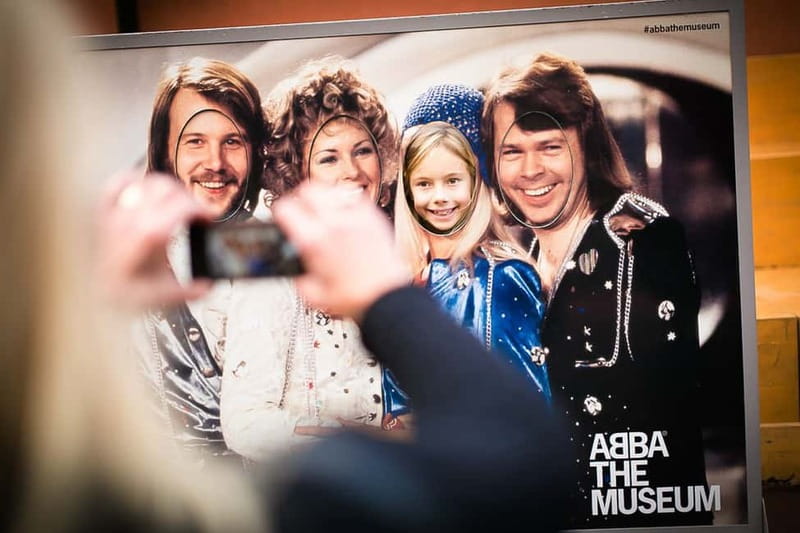
The stage outfits are among the best reasons to visit. ABBA’s clothes were not modest, everyday outfits, and seeing them at close range helps explain the group’s visual identity. Sequins, unusual shapes, bright colors, and carefully designed stage wear are displayed alongside records, instruments, and awards.
The objects also offer small moments of scale and humor. The helicopter from Arrival is on display, and it is surprisingly small. Seeing it in person makes you wonder how all four members managed to fit inside it comfortably.
You cannot photograph or film the entire exhibition, so do not arrive expecting to document every display. There are designated points where you can take pictures, including photo opportunities with band members, guitars, and themed cutouts. These spots are part of the fun, but crowds can form around the most popular ones.
I like this approach because it keeps the museum from becoming a room full of phones held over everyone’s heads. Still, if you are hoping to capture every costume and trophy, the photography rules may disappoint you.
The Audio Stories from All Four Members
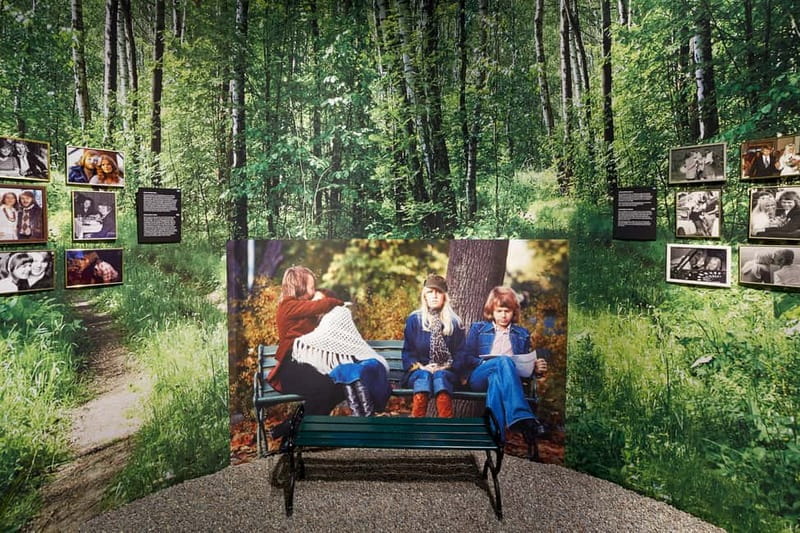
An audio guide adds a personal layer to the visit. Agnetha, Benny, Björn, and Frida share memories and stories connected with their careers, which is much more engaging than hearing a distant narrator read dates from a script.
The ticket information says the audio guide can be purchased at the museum rather than being included automatically. Some recent visitors have listened to audio content through a phone, so it is sensible to check the current arrangement before arrival. If your visit includes phone-based listening, bring headphones. Holding a phone to your ear at roughly 18 listening points is less comfortable, and background noise can make the narration hard to hear.
This is especially important when the museum is full. One person found the audio difficult to follow because of the surrounding noise, while another described the band-narrated content as a highlight. Your experience may depend as much on the volume around you as on the guide itself.
A few more Stockholm options to compare
- Stockholm: City Archipelago Sightseeing Cruise with Guide
★ 4.3 · 10,798 reviews - Stockholm: Hop-On Hop-Off Bus or Boat Option
★ 4.0 · 3,260 reviews - Stockholm: Archipelago Boat Tour
★ 4.4 · 3,110 reviews - Stockholm: Highlights Boat Tour
★ 4.2 · 2,845 reviews
Becoming ABBA’s Fifth Member
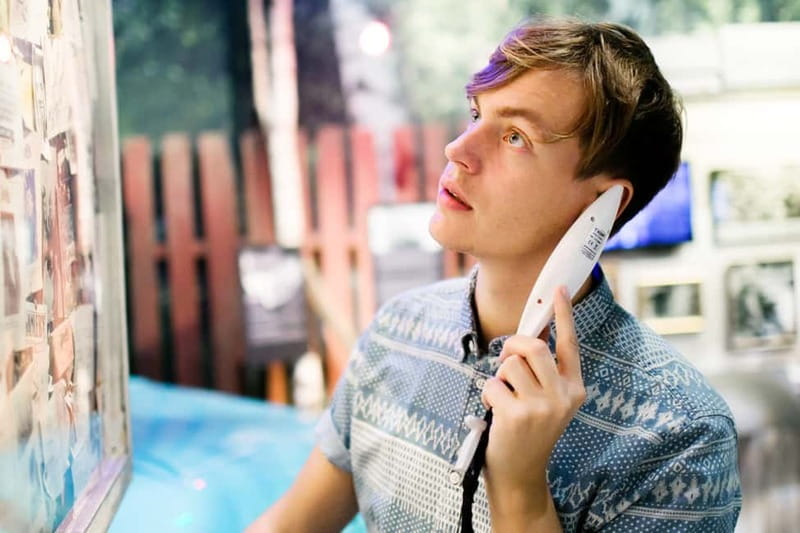
The museum’s most distinctive idea is that you are part of the show. Rather than treating you as a spectator, it gives you several ways to perform.
You can try on virtual ABBA costumes and see how you look in the band’s famous stage style. It is a simple idea, but it works well for photographs and gives children and adults an easy way to join in without needing to sing in front of a crowd.
The fifth-member experience takes the idea further. Digital versions of the four musicians appear on stage with you, creating the impression that you are performing alongside ABBA. You can sing and dance with the virtual band, and the result is often the most talked-about part of the visit.
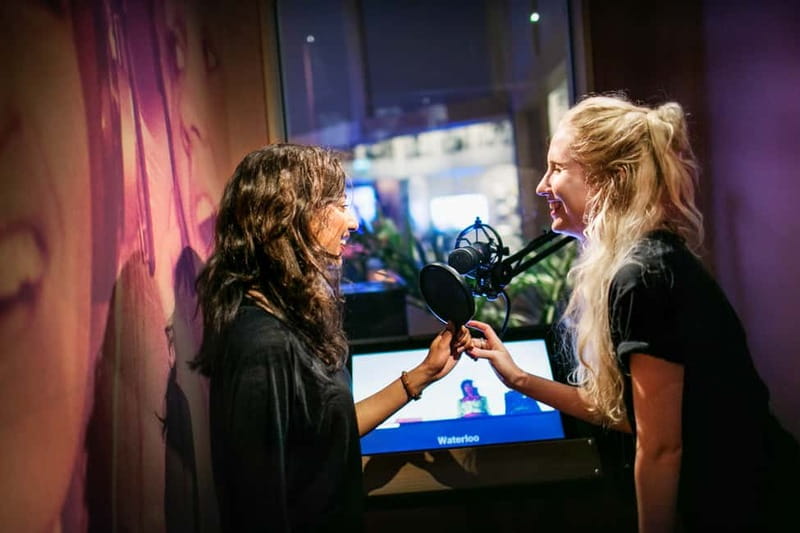
There are also music-based activities connected with the legendary Polar Studio, formed by Björn Ulvaeus and Benny Andersson. You may be able to mix original music, experiment with sound, and record or perform in a booth. The karaoke area is a natural favorite, though equipment can occasionally have problems, including microphones that do not work properly.
The museum also includes a silent disco. You put on headphones and listen to ABBA in your own small dance space. It is playful, slightly silly, and very much in keeping with the museum’s spirit.
Karaoke, Quizzes, and the Parts That Take Time
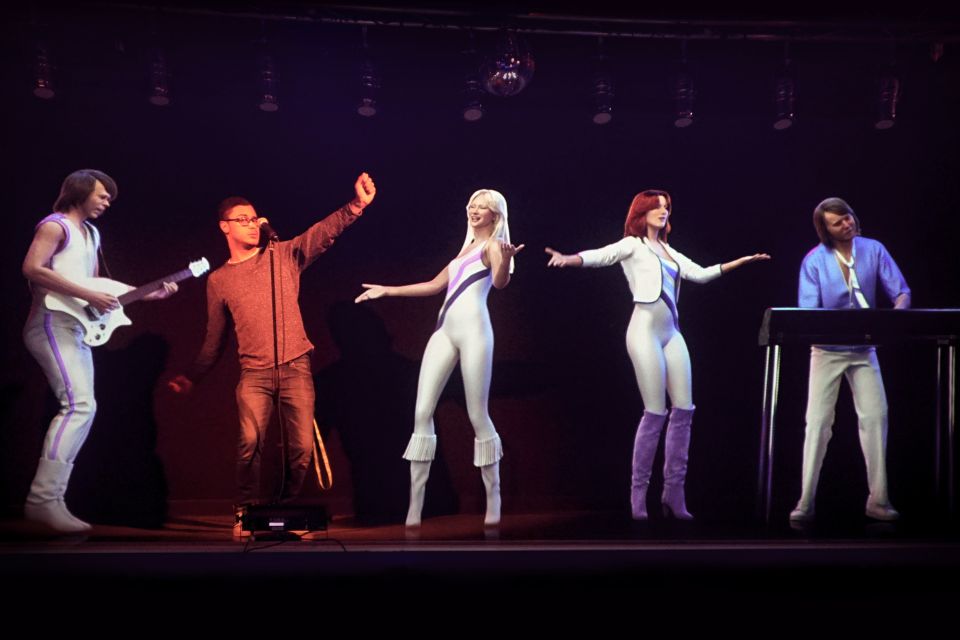
Do not rush through the interactive rooms. The standard estimate is 1.5 to 2 hours, but that assumes a fairly brisk pace. If you use the music stations, watch the films, listen to the personal stories, sing karaoke, and wait your turn for the stage, you could easily spend three hours.
The quizzes are a good break from the display cases. They test what you know about the band without turning the visit into an exam. The music-making stations appeal to people who have never considered themselves ABBA fans, because they offer something to do rather than simply something to read.
If you visit alone, you can still have a good time. Several activities are designed for individual participation, and the fifth-member sections do not require you to arrive with a large group. With children, the interactive exhibits may be more appealing than the written material, although the museum’s appeal reaches across several generations.
The main issue is flow. Popular booths can create short queues, and crowding makes it harder to move freely, especially for someone using a wheelchair. The museum is adapted for wheelchair use, and a wheelchair may be available to borrow, but one visitor found busy conditions made navigation difficult. If mobility is a concern, an early or quieter time should make the visit more comfortable.
How Much Time Should You Allow?
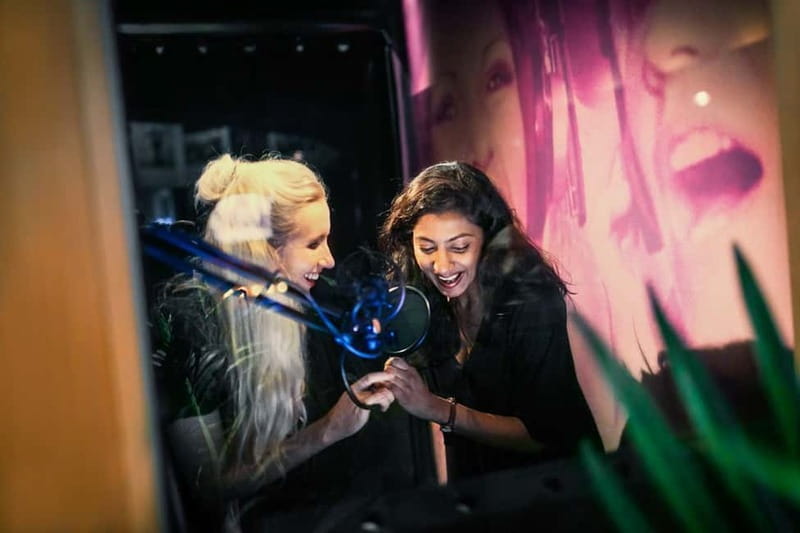
For a quick look at the costumes, awards, and main displays, 90 minutes may be enough. I would set aside two hours at a minimum, since the ticket’s stated duration fits the museum’s normal pace.
Allow closer to three hours if you want to use the activities. The silent disco, stage performance, karaoke, music mixing, audio stories, and video presentations all compete for your attention. Once you start taking part, you may find the visit lasts longer than expected.
There is also a café and a grill, which gives you a place to pause. One visitor singled out the cheeseburger as especially good, while others liked the café. The gift shop offers quality souvenirs, though prices can be on the high side. Budget for it separately if you want ABBA clothing, music, or themed gifts.
If you are trying to fit several Djurgården museums into one day, keep this time commitment in mind. ABBA The Museum works best when you do not treat it as a 30-minute stop between other appointments.
Is the $28 Ticket Good Value?
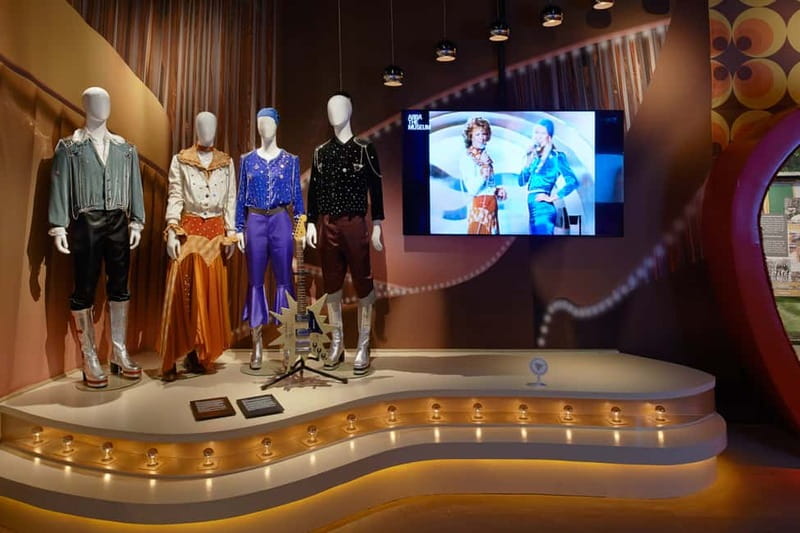
At $28 per person, this is not a cheap museum ticket. It is good value for a committed ABBA fan, especially if you stay for two or three hours and use the interactive exhibits. You are paying for original objects, a carefully designed music experience, and activities that ordinary pop museums do not usually offer.
The calculation changes if you only know a few songs. The costumes, awards, and visual displays may still entertain you, but the personal stories and singing stations will mean more if you recognize the music and the band’s major milestones.
A pre-booked ticket also has practical value. During busy periods, the walk-up queue can be much longer, while timed-entry ticket holders can move through a separate or faster admission process. One visitor described passing a very long line with a pre-booked ticket. That alone can protect a valuable part of your Stockholm day.
Free cancellation up to 24 hours before the visit and reserve-now, pay-later booking add flexibility. The ticket remains tied to the selected date and time, so check your plans carefully before you go.
Who Will Enjoy This Most?
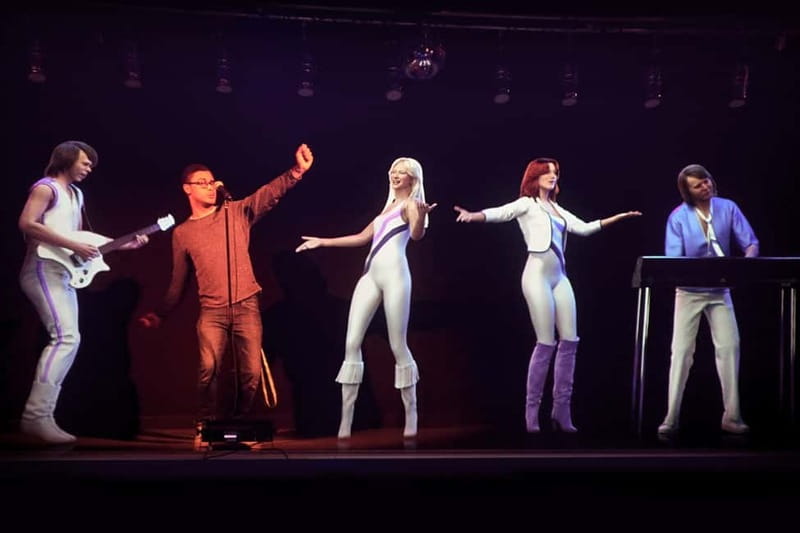
I would recommend the museum first to people who already enjoy ABBA, grew up with the music, or want a cheerful break from traditional sightseeing. It is particularly good for mixed-age families because grandparents may connect with the 1970s and 1980s material while younger visitors enjoy the avatars, games, and stage.
It also suits couples and solo visitors. You do not need to be a serious music expert, and you do not have to sing if that is not your thing. There is enough to see in the displays, films, and original objects to make a quieter visit worthwhile.
You may want to skip it if you dislike crowds, interactive exhibits, or pop music museums. The visit can become noisy around the karaoke and performance areas, and busy periods can make the rooms feel tight. The Avicii Experience may be a better choice if your musical interests lean toward modern electronic music, though ABBA The Museum offers a very different, more nostalgic experience.
Practical Tips for a Smoother Visit
- Book ahead: Timed entry is especially useful in summer and other busy periods.
- Bring headphones: They can improve the phone-based audio experience and reduce the effect of background noise.
- Carry a card: Cash payments are not accepted.
- Leave large items behind: Luggage, large bags, food, drinks, and baby strollers are not allowed.
- Arrive ready to take part: Wear something comfortable enough for standing, singing, and dancing.
- Plan extra time: Two hours is realistic, but three hours is possible if you enjoy every activity.
- Check the children’s ticket: Children aged six and under enter free, but you must collect their child ticket at the check-in counter.
- Respect the photo rules: Flash photography and video recording are prohibited, and photographs are allowed only in selected areas.
Should You Book ABBA The Museum?
Book it if ABBA means something to you, even if that connection comes from childhood memories rather than serious fandom. The original outfits, gold records, awards, personal stories, and career displays give you plenty to see, while the stage avatars, karaoke, music booths, and silent disco keep the visit lively.
The strongest reason to reserve ahead is not just convenience. It helps protect your schedule and may save you from a long entrance queue. Choose an early time if you want better access to the interactive stations and easier movement through the rooms.
At $28, I would not call it a bargain for a casual listener. For an ABBA fan, though, the mix of real memorabilia and hands-on fun makes it a worthwhile Stockholm stop. You can arrive expecting a museum and leave having performed a small concert of your own.
FAQ
Where is ABBA The Museum located?
It is on the island of Djurgården in Stockholm County. Look for the yellow building marked ABBA The Museum.
How long does a visit take?
The estimated visit is 1.5 to 2 hours. If you use the karaoke, silent disco, music stations, films, and stage activities, you may stay for around three hours or longer.
Is the audio guide included with the ticket?
The entry ticket includes admission only. The audio guide can be purchased at the museum. Some audio content may be available through a phone, so check the current arrangement and bring headphones if possible.
Can I sing and perform with ABBA?
Yes. You can sing at the Polar Studio area, use karaoke, and appear on stage with digital ABBA avatars as part of the fifth-member experience.
Can I take photographs inside?
Photography and selfies are allowed in selected areas, but flash photography and video recording are not allowed. You cannot photograph or film the entire exhibition.
Is the museum wheelchair accessible?
Yes. The museum is adapted for wheelchair use, and a wheelchair may be available to borrow. Crowds can make movement more difficult at busy times, so an early visit may be more comfortable.
Can children enter for free?
Children up to six years old can enter free of charge. You must collect their child ticket at the check-in counter.
New around Stockholm
- World War II Stockholm Old Town Walking Tour and Army Museum★ 4.6 · 4 reviews
- 3 Hours Guided Shopping Tour in Stockholm Thrifting Stores★ 5.0 · 4 reviews
- Scandinavian Art, Architecture and Design Tour in Stockholm★ 4.5 · 11 reviews
- Private Tour: Swedish History Day Trip to World Heritage Candidate Markim-Orkesta from Stockholm★ 5.0 · 8 reviews
- Wolf and Wildlife Tracking in Sweden★ 5.0 · 9 reviews
- Drottningholm Palace Private Guided Tour★ 4.5 · 15 reviews
- Voyage of the Vikings: Guided Exploration Through Sweden’s Past★ 5.0 · 2 reviews
- Vaxholm Day Trip From Stockholm: Cruise, Fortress, Swedish Fika★ 5.0 · 2 reviews
Museums, compared.


Stockholm Pass: Save up to 50% – Includes Vasa Museum Ticket
Read our review →
Vasa Museum and Vrak Museum of Wrecks Combo Entry
Read our review →
Browse the lists this tour appears in