
Reviewed · MUSEUMS
Aino and Alvar Aalto Exhibition Entry Ticket
Design tells you how people lived. The Aino and Alvar Aalto exhibition at Millesgården Museum brings that idea to life with more than 200 objects, furnished rooms, and working examples from one of Finland’s most important design partnerships. I especially like the range of furniture, glassware, lighting, and prototypes, and I like that the exhibition gives Aino Aalto equal billing beside Alvar. The wartime living room and 1950s Finnish apartment make the work easier to understand than a room full of objects in glass cases.
The main drawback is scale. A few visitors have found the exhibition thin for the price, and one booking had trouble registering at the museum entrance. The staff still allowed entry in that case, but I would keep your ticket ready on your phone and allow time for the reader to be checked.
In This Review
- Key points before you go
- Why the Aaltos still matter
- The collection’s first look: handmade objects from 1920 to 1965
- Aino Aalto’s role in the shared design language
- The wartime living room and the meaning of comfort
- The 1950s Finnish apartment styled by Artek
- The wave motif, from buildings to glass
- Millesgården adds real value to the ticket
- Practical details that can affect your visit
- Who will get the most from this exhibition
- Should you book the Aino and Alvar Aalto exhibition?
- FAQ
- Where is the Aino and Alvar Aalto exhibition held?
- How much does admission cost?
- How long is the ticket valid?
- What does the ticket include?
- How many objects are displayed?
- What types of objects can I see?
- Is the exhibition wheelchair accessible?
- Can I cancel my booking?
Key points before you go
- More than 200 Aalto objects: See handmade furniture, glassware, lighting, and prototypes dating from the 1920s to the mid-1960s.
- Aino gets her due: The exhibition presents Aino and Alvar as equal partners, not simply as designer and assistant.
- Room settings add context: A wartime living room and a 1950s urban Finnish apartment show how the designs worked in daily life.
- Artek connects the pieces: The apartment is styled through the design company founded by the Aaltos, linking architecture, furniture, and interiors.
- The wave appears throughout: Look for the organic line in architecture, the Savoy vase, and Aino Aalto’s Bölgeblick glassware.
- Your ticket covers more than the exhibition: Entry also includes Millesgården’s Sculpture Park and Artist’s Home.
Why the Aaltos still matter
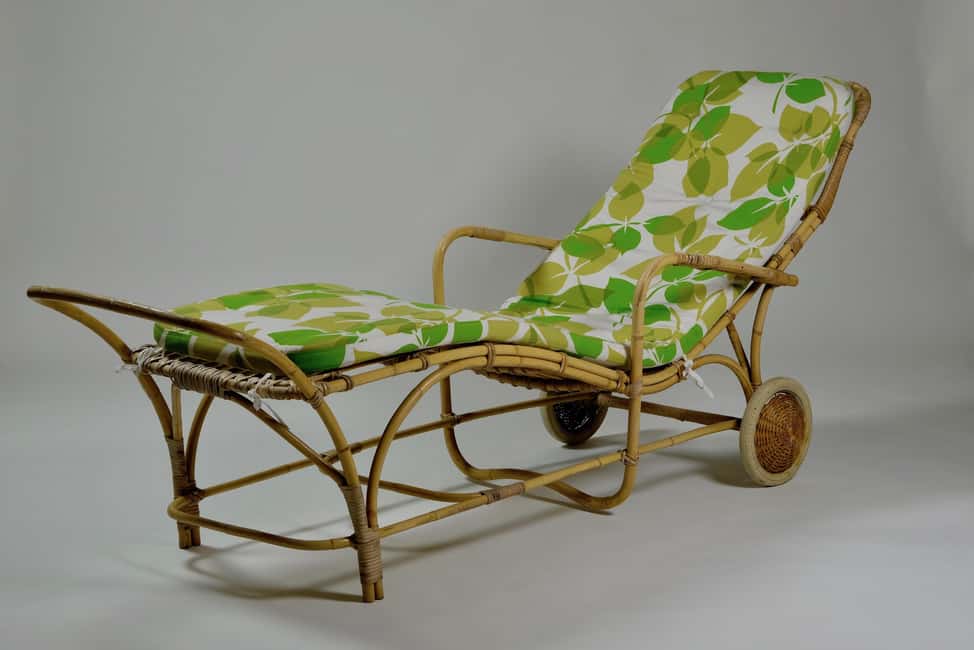
Aino and Alvar Aalto changed the way modern design could feel. Much 20th-century modernism is linked with hard angles, industrial materials, and a cool, machine-like look. The Aaltos took a softer route. They used wood, glass, curved forms, natural materials, and practical solutions that kept the human body in mind.
That does not mean their work was merely decorative. The Aaltos cared about function, production, social responsibility, and the way design affected ordinary life. Their work with sustainability and social engagement is part of the exhibition’s story, giving you a reason to look beyond the famous shapes.
I find their partnership just as interesting as the objects themselves. Alvar often led the architectural work, while Aino directed interiors and material choices. That division was not presented as a hierarchy. It was a working partnership in which the building, furniture, lighting, textiles, and tableware could all support the same idea.
This matters when you walk through the displays. A chair is not just a chair. It may belong to a larger plan for a room, a public building, or a home that was meant to feel calm and useful. The exhibition helps you see the Aaltos as designers of complete environments, not makers of isolated icons.
More museums worth an afternoon in Stockholm:
- Stockholm: ABBA The Museum Entrance Ticket
★ 4.7 · 11,280 reviews - Stockholm: Skansen Open-Air Museum Admission Ticket
★ 4.5 · 3,427 reviews - Stockholm: Paradox Museum Entry Ticket
★ 4.2 · 3,031 reviews
The collection’s first look: handmade objects from 1920 to 1965
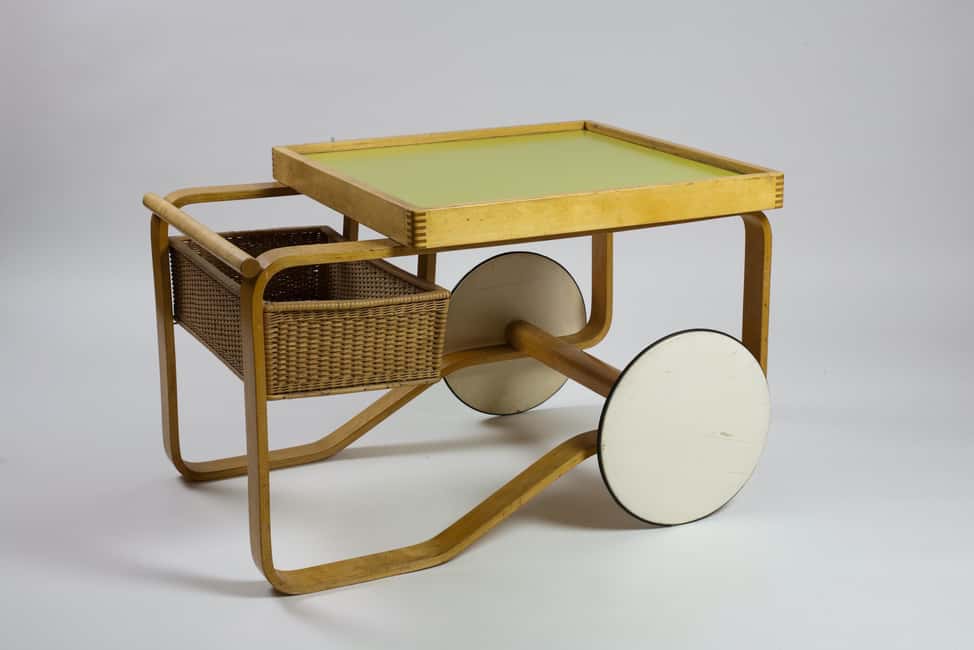
The central collection includes more than 200 objects from the private collection of Pertti Männistö, described as the world’s largest private Aalto collection. You will see work from the 1920s through the mid-1960s, a period that covers many stages of the Aaltos’ careers.
That time span is useful because it lets you compare early experiments with later, more familiar pieces. The objects are handmade, and their small variations help you notice the human side of the work. You are not looking only at polished products. You are also seeing the testing, adjustment, and material decisions behind them.
Expect a mix of:
- Furniture
- Glassware
- Lighting
- Prototypes
- Interior pieces
- Objects linked to architectural projects
The prototypes may be especially useful if you want to understand process. A finished chair or vase can look inevitable after the fact. A prototype reminds you that the shape had to be worked out, tested, and refined.
The exhibition does not treat design as a parade of famous names. It connects objects to the Aaltos’ wider working method. That approach gives the collection more value for students, design fans, and anyone who wants to understand why the pieces look the way they do.
Still, keep your expectations sensible. The exhibition has received a mixed overall rating of 3.2 from six verified bookings, and one Swedish visitor described it as too thin and disappointing. If you expect a vast museum devoted only to the Aaltos, the display may feel modest. If you see it as one part of a larger visit to Millesgården, the value improves.
Aino Aalto’s role in the shared design language
Aino Aalto can easily be overlooked when people talk about the Aaltos. This exhibition works to correct that. It presents their creative partnership as equal and shows how Aino shaped interiors, materials, and objects in her own right.
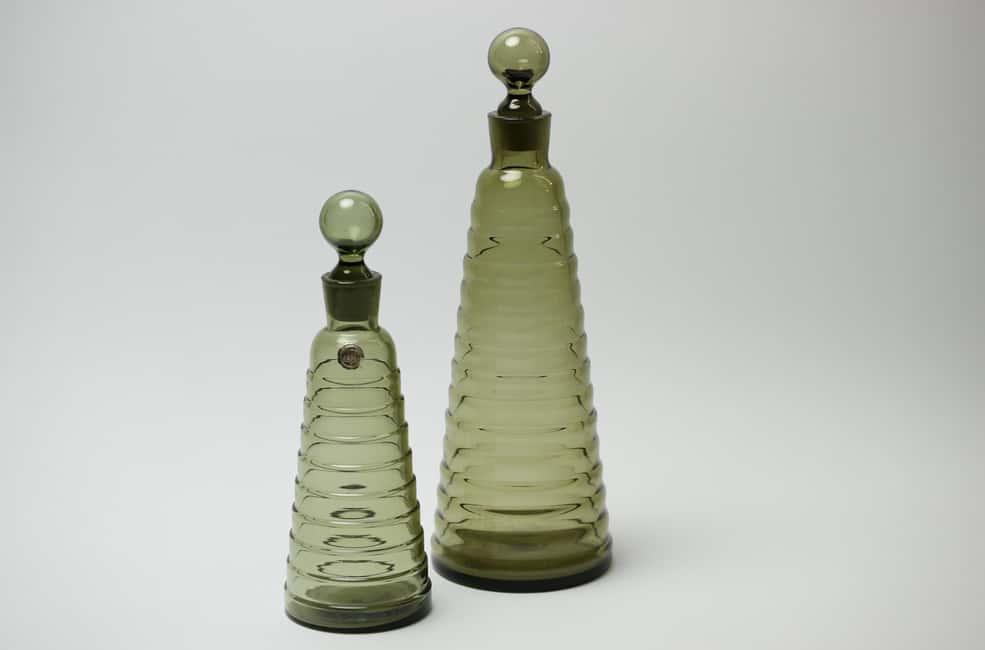
Her Bölgeblick glassware is one of the clearest examples. The repeated ridges create a practical and visual rhythm, while the form remains simple enough for everyday use. The glassware fits the Aalto preference for objects that feel natural rather than stiff.
I like the way this changes your reading of Alvar’s work too. You begin to see the famous Aalto style as shared rather than belonging to one person alone. Architecture, furniture, glass, and room design become parts of one conversation.
The exhibition also makes room for the less obvious parts of design work. Material choices, interior arrangements, and the way a person moves through a room all receive attention. Aino’s contribution becomes visible through those decisions.
For readers who already know the Savoy vase, this section can be a useful correction. The Aaltos’ reputation is not built on one celebrated object. It comes from years of collaboration across many types of design.
The wartime living room and the meaning of comfort
The furnished wartime living room is one of the strongest parts of the exhibition because it moves the Aaltos’ work into a real human setting. Instead of seeing a table or lamp alone, you can consider how the pieces might work together when space, materials, and resources are limited.
The room also supports the exhibition’s focus on social engagement. Design during wartime cannot be separated from practical needs. Furniture has to serve a purpose. Interiors have to support daily life. Materials have to be used carefully.
You might find that this room feels less glamorous than the famous glassware or sculptural furniture. That is exactly its value. It shows that the Aalto approach was not only about making beautiful objects for display. It was also about creating surroundings that were useful, calm, and humane.
Take a little time here rather than walking straight toward the best-known pieces. Look at how the objects relate to one another. Consider what changes when design is seen in a room instead of on a pedestal.
A few more Stockholm options to compare
- Stockholm: City Archipelago Sightseeing Cruise with Guide
★ 4.3 · 10,798 reviews - Stockholm: Hop-On Hop-Off Bus or Boat Option
★ 4.0 · 3,260 reviews - Stockholm: Archipelago Boat Tour
★ 4.4 · 3,110 reviews - Stockholm: Highlights Boat Tour
★ 4.2 · 2,845 reviews
The 1950s Finnish apartment styled by Artek
The second major room setting is a 1950s urban Finnish apartment styled by Artek. The Aaltos co-founded Artek as a design and interior company, so this setting helps explain how their ideas reached beyond individual objects.
Here, architecture and product design meet. You can see how furniture, lighting, and interior choices work as a group. This is where the Aalto method becomes easiest to grasp: the room is not a blank container filled with attractive products. The elements are meant to belong together.
For you, the apartment setting offers a practical way to judge the designs. Do the shapes look comfortable? Does the room feel open or crowded? Do the materials soften the modern style? The display gives you questions to consider instead of asking you to admire every object automatically.
It also shows why Artek mattered. The company helped present a complete design idea, linking architectural solutions with furniture and interiors. That connection remains important today, when many designers work across several fields rather than staying within one narrow category.
If you are mainly interested in architecture, this room may give you a clearer sense of the Aaltos than a wall of photographs. If you prefer decorative arts, the furniture and glassware provide plenty to examine. Either way, the setting adds scale and purpose.
The wave motif, from buildings to glass
The Finnish word aalto means wave, and the wave is a recurring design language throughout the exhibition. You will see it in Alvar Aalto’s architecture, in the famous Savoy vase, and in Aino Aalto’s Bölgeblick glassware.
The motif is more than a clever connection to the family name. Curved lines soften the strict geometry often associated with modern design. They can guide movement, catch light, or make an object feel more natural in the hand.
The Savoy vase is an easy place to start. Its uneven, flowing outline looks different from every angle. In a display setting, you can focus on the shape itself. In the room settings, you can think about how such organic forms might change the feel of an interior.
Bölgeblick offers a different version of the same idea. Its repeated lines are regular and functional, but they still create movement. Look at both pieces together and you begin to understand how the Aaltos could use a shared principle in very different materials.
I appreciate this kind of visual thread because it gives you something to look for as you move through the exhibition. You do not need a design degree. Once you notice the wave, you can spot how the idea changes from glass to furniture to architecture.
Millesgården adds real value to the ticket
The $18 ticket includes the Aino and Alvar Aalto exhibition, the Sculpture Park, and the Artist’s Home at Millesgården Museum. That makes the price easier to justify than a ticket for the temporary exhibition alone.
The Aalto display is the main reason to visit, but Millesgården gives you more to do after the indoor rooms. The Sculpture Park offers an outdoor change of pace, while the Artist’s Home adds another layer of creative and domestic context.
You should plan for a full day of validity, not a rushed pop-in. The ticket is valid for one day, and the museum’s wider grounds make it possible to spend more time there than the exhibition alone might require.
The value depends on your interests. If you care strongly about 20th-century design, $18 is reasonable for a collection of this size plus access to the rest of Millesgården. If you only want a quick look at the Savoy vase, you may feel the exhibition is expensive, especially if the display feels thin to you.
I would treat the ticket as a museum visit with an Aalto focus, not as a standalone blockbuster show. That framing gives you a fairer idea of what you are buying.
Practical details that can affect your visit
The experience lasts one day, with starting times based on availability. You do not need to follow a guide through a fixed route. Instead, you can examine the objects and furnished rooms at your own pace.
The exhibition is accessible by wheelchair, which is useful for anyone planning a longer visit that includes the museum’s other areas. Since the ticket also covers outdoor spaces, check your own comfort and pacing before trying to see everything in one short stop.
There has been at least one problem with the ticket reader at Millesgården. A booking QR code was not recognized at the entrance, although the museum still allowed the visitors inside. To avoid a needless pause, keep the confirmation available and arrive with enough time to sort out a technical issue.
The booking terms are flexible. You can cancel up to 24 hours before the visit for a full refund, and you can reserve now while paying later. Those options are helpful if your Stockholm plans are still shifting.
The exhibition is a collaboration with Taidehalli in Helsinki. That connection places the show within a wider Finnish design context and helps explain why the collection includes such a broad range of Aalto material.
Who will get the most from this exhibition
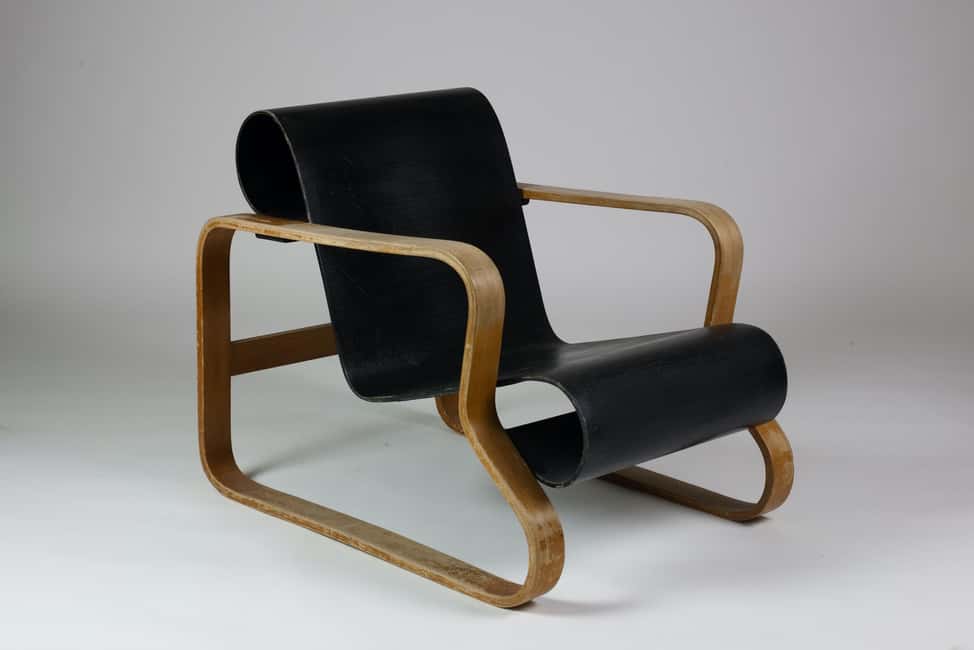
I would recommend this experience to anyone who wants to understand how modern design enters daily life. The room settings are especially helpful if you find design museums too abstract or object focused.
It also suits:
- Architecture students and design professionals
- Fans of Finnish design
- Visitors interested in Aino Aalto’s contribution
- People who enjoy furniture, glass, and interiors
- Museum visitors who want an exhibition plus outdoor grounds
- Anyone who likes seeing prototypes alongside finished objects
Families may find the wave motif an easy idea to follow, though the supplied information does not describe a dedicated children’s program. If you are bringing children, the Sculpture Park may help break up the indoor viewing time.
I would be more cautious if you want a huge exhibition with extensive interpretation at every turn. The mixed score and the comment that the exhibition felt thin suggest that expectations matter. This is a focused design show, not a complete biography of the Aaltos.
Should you book the Aino and Alvar Aalto exhibition?
Book it if you like design that connects beauty with daily use, or if you want to see Aino Aalto presented as an equal creative force. The furnished rooms, 200-plus objects, and access to Millesgården’s Sculpture Park and Artist’s Home give the $18 price solid value for the right visitor.
Skip it if you want a large, dramatic exhibition or have little interest in furniture, glass, architecture, and interiors. The show may feel too narrow for you.
My practical advice is to combine it with the rest of Millesgården and give yourself time to study the two furnished rooms. That is where the Aaltos’ shared ideas become most understandable. The famous vase may bring you in, but the partnership, materials, and human scale are what make the visit worthwhile.
FAQ
Where is the Aino and Alvar Aalto exhibition held?
The exhibition is held at Millesgården Museum in Stockholm County, Sweden.
How much does admission cost?
The listed price is $18 per person.
How long is the ticket valid?
The ticket is valid for one day.
What does the ticket include?
It includes entry to the Aino and Alvar Aalto exhibition, the Sculpture Park, and the Artist’s Home at Millesgården.
How many objects are displayed?
The exhibition includes more than 200 objects from Pertti Männistö’s private Aalto collection.
What types of objects can I see?
You can see furniture, glassware, lighting, prototypes, and other handmade objects dating from the 1920s to the mid-1960s.
Is the exhibition wheelchair accessible?
Yes. The activity is listed as wheelchair accessible.
Can I cancel my booking?
Yes. You can cancel up to 24 hours in advance for a full refund. You can also reserve now and pay later.
New around Stockholm
- World War II Stockholm Old Town Walking Tour and Army Museum★ 4.6 · 4 reviews
- 3 Hours Guided Shopping Tour in Stockholm Thrifting Stores★ 5.0 · 4 reviews
- Scandinavian Art, Architecture and Design Tour in Stockholm★ 4.5 · 11 reviews
- Private Tour: Swedish History Day Trip to World Heritage Candidate Markim-Orkesta from Stockholm★ 5.0 · 8 reviews
- Wolf and Wildlife Tracking in Sweden★ 5.0 · 9 reviews
- Drottningholm Palace Private Guided Tour★ 4.5 · 15 reviews
- Voyage of the Vikings: Guided Exploration Through Sweden’s Past★ 5.0 · 2 reviews
- Vaxholm Day Trip From Stockholm: Cruise, Fortress, Swedish Fika★ 5.0 · 2 reviews
Museums, compared.




Stockholm Pass: Save up to 50% – Includes Vasa Museum Ticket
Read our review →
Vasa Museum and Vrak Museum of Wrecks Combo Entry
Read our review →

Browse the lists this tour appears in