

Reviewed · SKIP THE LINE
Stockholm: Avicii Experience Skip-the-Line Entrance Ticket
Music can still hurt. Stockholm’s Avicii Experience makes Tim Bergling’s story personal through music, photos, recreated spaces, digital exhibits, and hands-on sound stations. I like the way it shows both the public star called Avicii and the private person called Tim, and I like that you can do more than read wall panels: you can play, listen, create, and follow the path of a song.
The main drawback is emotional weight. The exhibition addresses fame, pressure, mental health, and suicide prevention, so it is not simply a cheerful music museum. Also, the skip-the-line benefit may matter less during quiet periods, when entry can be quick anyway.
At about $23 per person, this is a fair-priced stop for Avicii fans and a worthwhile music museum for curious families. Plan at least 90 minutes, though some people spend close to two and a half hours exploring every station.
In This Review
- Key points before you go
- Finding Avicii Experience at Sergelgatan 2
- From Tim Bergling to Avicii
- Hearing the music from the inside
- Taking the DJ seat
- Why the recreated rooms matter
- Fame, pressure, and the final rooms
- How long should you allow?
- Is $23 a good value?
- Who will enjoy this most?
- Practical advice for a smoother visit
- Should you book Avicii Experience?
- FAQ
- Where is Avicii Experience located?
- How much does admission cost?
- How long is the ticket valid?
- Is a guided tour included?
- Is the museum available in English?
- Can children enter for free?
- Is Avicii Experience wheelchair accessible?
Key points before you go

- Tim’s childhood bedroom gives the exhibition a human starting point before the fame and huge concerts.
- DJ and music-making stations let you interact with Avicii’s creative process instead of only viewing objects.
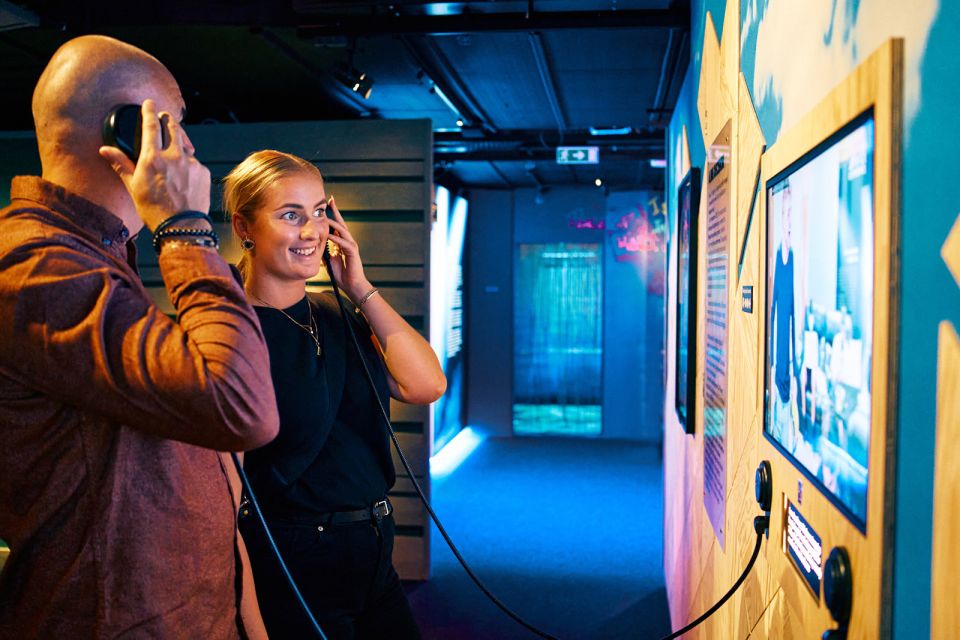
- The audio guide and listening points help explain the music, collaborators, and career in a self-guided format.
- The final mental-health material is serious, so prepare younger children for a thoughtful change in tone.
- Lockers and hangers are available, but backpacks, bags, food, drinks, strollers, and oversize luggage are not allowed inside.
- The $23 admission is strongest for fans who will spend time with the interactive exhibits, not just make a quick visit.
Finding Avicii Experience at Sergelgatan 2
Avicii Experience is at Sergelgatan 2 in central Stockholm. You arrive at the museum itself rather than meeting a tour leader elsewhere, which keeps the visit simple. An English-speaking host or greeter handles entry, while the exhibition is designed for you to explore at your own pace.
The ticket is valid for one day, with entry times depending on availability. You receive admission and an audio guide, but not a live guided tour. That distinction matters. If you want a personal storyteller walking beside you, this is not that kind of visit. Instead, you get signs, audio content, interactive displays, and the freedom to spend extra time with the parts that matter most to you.
Skip-the-line entry is useful if a queue has formed. Still, demand can vary. One visitor found little need for the benefit during a quieter visit, so I would treat it as a convenience rather than the main reason to buy. The real value is access to the exhibition itself.
The museum is wheelchair accessible. Lockers and hangers are available on-site, but the restrictions are strict: no pets, food, drinks, backpacks, bags, oversize luggage, video recording, or audio recording. Since baby strollers are also not allowed, families with very young children should plan around that rule.
A few more Stockholm options to compare
- Stockholm: ABBA The Museum Entrance Ticket
★ 4.7 · 11,280 reviews - Stockholm: City Archipelago Sightseeing Cruise with Guide
★ 4.3 · 10,798 reviews - Stockholm: Skansen Open-Air Museum Admission Ticket
★ 4.5 · 3,427 reviews
From Tim Bergling to Avicii
The exhibition’s strongest idea is its two-part portrait. Avicii was the global performer, producer, and hitmaker. Tim Bergling was the young person, son, friend, and music obsessive behind that name. The museum keeps moving between these identities, helping you understand how a bedroom passion became an international career.
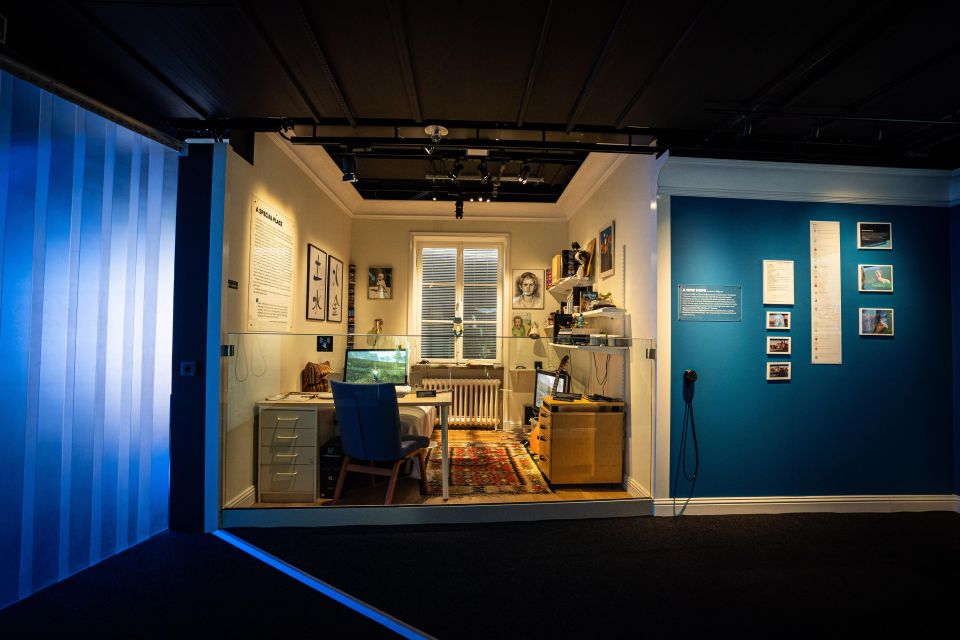
You begin with the person rather than only the brand. Recreated details of Tim’s childhood bedroom help show the early world around his music. These rooms are not just photo backdrops. They give the story a physical setting and make the beginning of his career feel close and ordinary.
That is important because the later rooms deal with extraordinary success. The contrast between a young musician working with sounds and the artist known around the world gives the exhibition its emotional shape. I found this more effective than a simple timeline of dates and achievements would be.
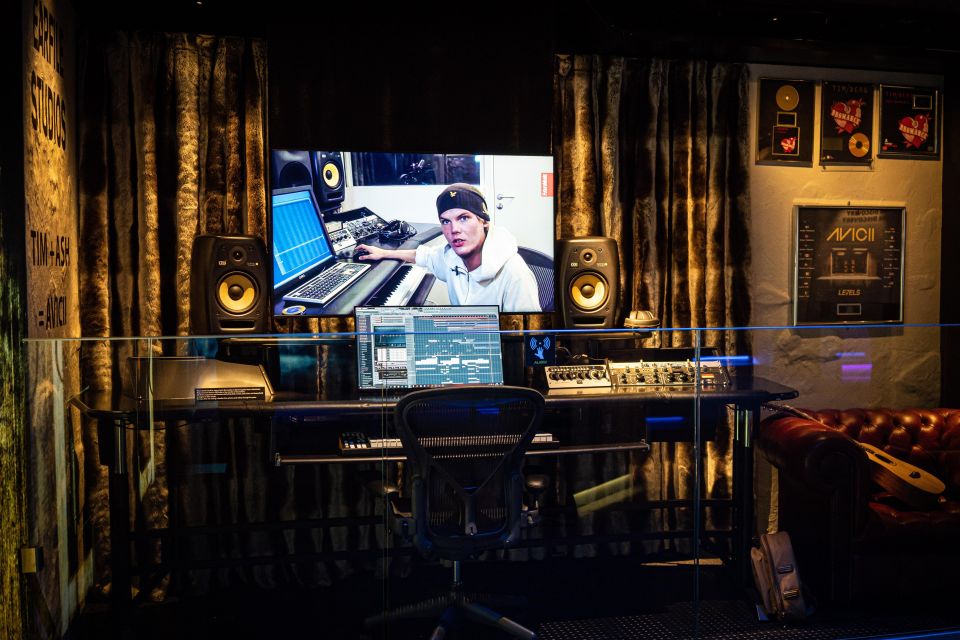
The museum also brings in his co-writers, producers, and creative partners. You get a look at music as a shared process, not a solitary act of genius. For fans who know the finished songs by heart, this behind-the-scenes angle adds useful context.
Hearing the music from the inside
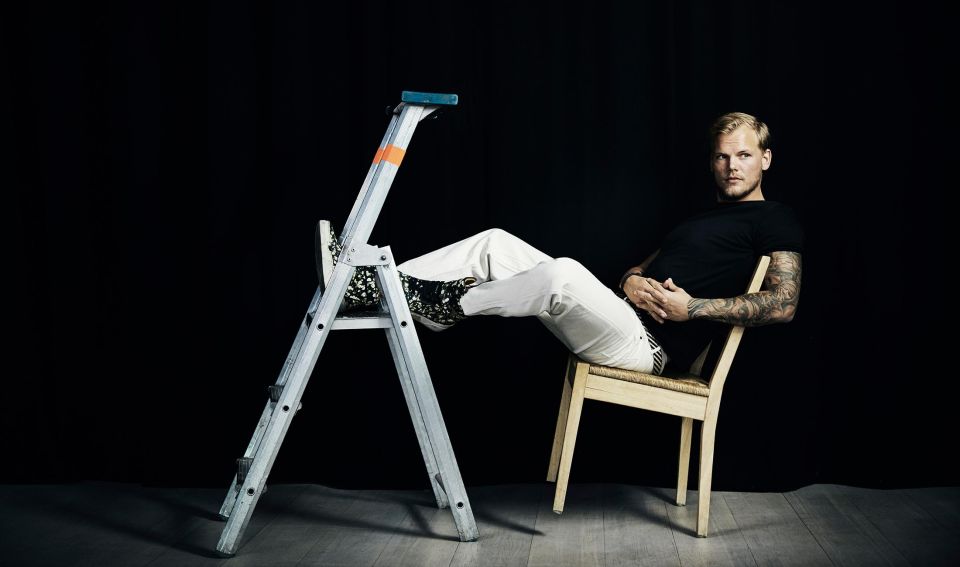
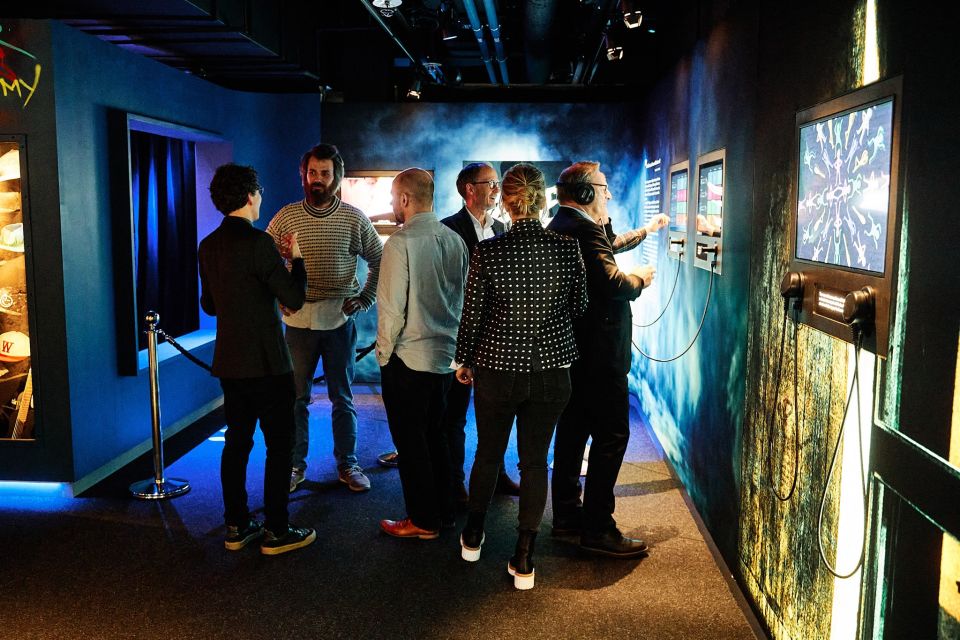
You do not simply walk past framed memorabilia and press photographs. The exhibition asks you to listen and respond. Audio stations and interactive displays let you explore the sounds behind some of Avicii’s best-known work, with opportunities to hear unreleased music and learn about the decisions that shaped his songs.
The exact amount of time you spend here depends on your interest. A casual music fan can follow the main story without stopping at every station. An Avicii fan may want to replay tracks, test different controls, and read every piece of background information.
The sound component is especially valuable because Avicii’s work is built around production. A standard museum case can show you an object, but it cannot easily explain how a beat, melody, or arrangement came together. Here, the musical process becomes something you can hear and interact with.
One limitation is that some people may want even more studio-focused activities. The exhibition offers plenty of touch-based and music-related displays, but it is not a full recording workshop. If your main goal is to create a finished track, keep expectations in check.
Taking the DJ seat
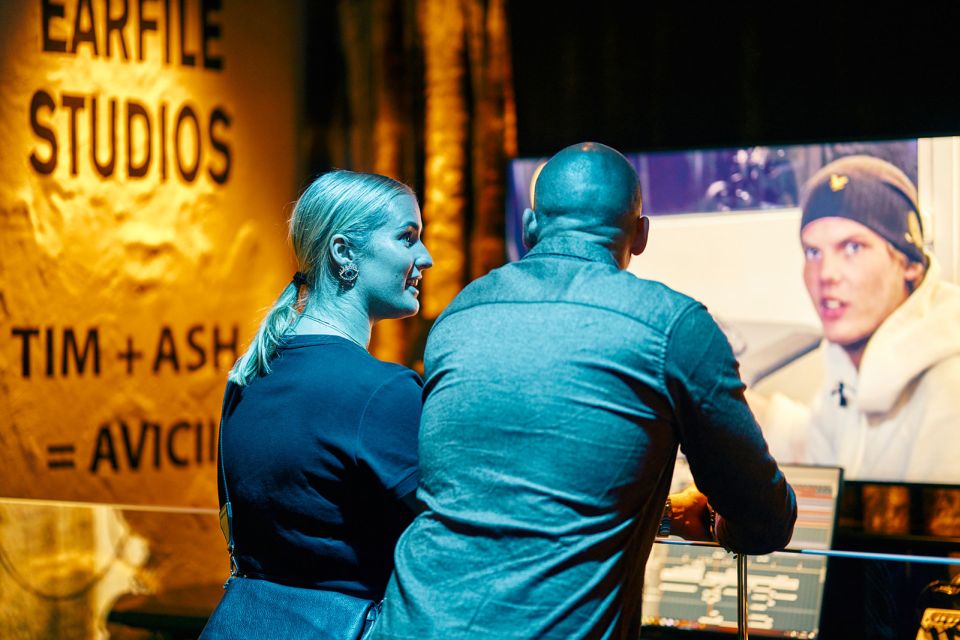
The DJ area is one of the most playful parts of the experience. You can step into the role of a performer and experiment with the equipment. Several people have especially enjoyed the DJ booth, with one visitor returning to it twice.
You do not need to be a musician to get something from this section. The controls give younger visitors a way to participate, while adults can enjoy the slightly ridiculous pleasure of pretending to command a festival crowd. It breaks up the quieter reading and listening sections.
A VR headset station adds another digital layer. The combination of virtual reality, music controls, and touch displays gives the museum a modern feel without abandoning traditional exhibits. That mix is one reason teenagers and young adults may connect with it more easily than with a conventional biography museum.
Technology can have weak spots, though. A few visitors encountered minor technical problems during their time inside. Those issues did not ruin the visit, but you should expect that an interactive exhibit can occasionally have a screen or station that is not working perfectly.
A different sort of day, still within reach:
- Stockholm: Hop-On Hop-Off Bus or Boat Option
★ 4.0 · 3,260 reviews - Stockholm: Archipelago Boat Tour
★ 4.4 · 3,110 reviews - Stockholm: Paradox Museum Entry Ticket
★ 4.2 · 3,031 reviews - Stockholm: Highlights Boat Tour
★ 4.2 · 2,845 reviews
Why the recreated rooms matter
The recreated bedroom is among the most affecting parts of the exhibition because it strips away the scale of the Avicii persona. You see the beginnings of an interest that later grew into a career with huge public consequences.
Small details carry much of the feeling here. The rooms help you picture Tim before the stage lights, and they make the story about a person rather than a set of songs. If you already know the Netflix documentary, this section can still add something because it gives the biography a physical presence.
The exhibition also uses rooms and objects to show different parts of his life and work. You move from early influences to the professional world, from private interests to public performance. The result is more personal than a display devoted only to awards, chart positions, and concert footage.
You should not expect a large collection of costumes or endless opportunities for photographs. One visitor wanted more photo spots and more studio interaction. That is a fair criticism. The museum’s purpose is remembrance and participation, not spectacle at every turn.
Fame, pressure, and the final rooms
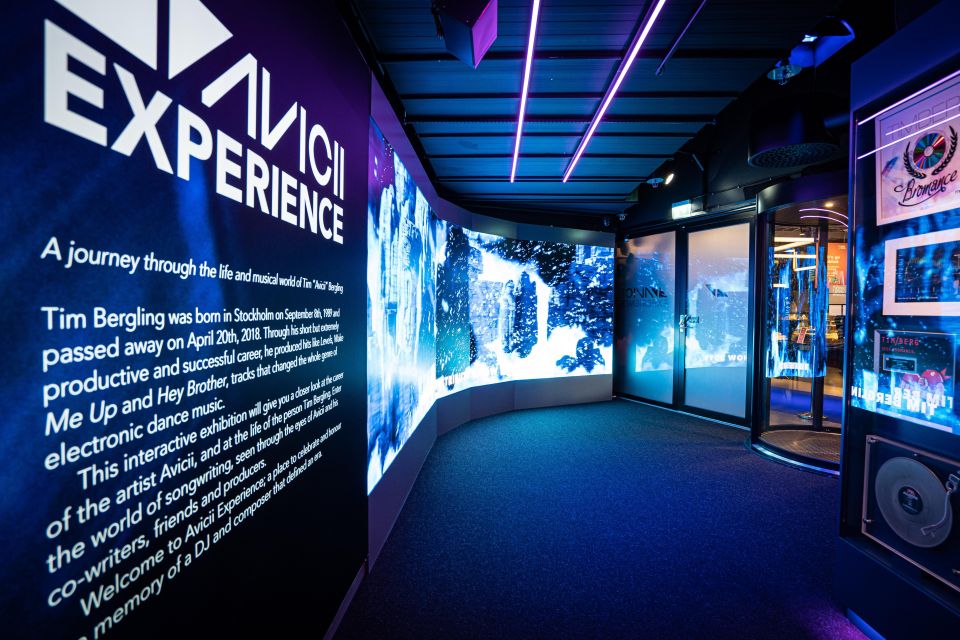
The exhibition does not present success as a simple fairy tale. It includes the pressure, exhaustion, and personal struggles that came with fame. This gives the visit a serious second half and helps explain why the story cannot end with hit songs and sold-out performances.
The final material includes suicide prevention and mental-health content. That information is handled as part of the wider story, but it can be difficult. If you are visiting with children, particularly children who do not yet know much about mental health, consider preparing them before entry and allowing time to talk afterward.
This is also where the exhibition feels most like a memorial. It honors Tim’s work while recognizing the human cost behind a public career. The tone is respectful rather than sensational, but it can leave you quiet as you leave.
For many people, this emotional honesty is the museum’s greatest strength. It avoids turning Avicii into a flawless legend. You see the music, the ambition, the joy, and the difficult parts together.
How long should you allow?
The ticket is sold as a one-day admission, but that does not mean you need a full day. I would allow around 90 minutes for a focused visit and two hours if you are a committed fan. One visitor spent nearly two and a half hours inside, which is possible if you listen to all the audio material and repeat the interactive stations.
Your pace will depend on the crowd and the working displays. On a quiet day, you can move easily from room to room. At a busier time, you may need to wait briefly for the DJ booth, VR headset, or another popular station.
There is no need to rush through the exhibition simply because the main route looks compact. The value comes from stopping. Listen again to a song section. Read the background on a creative partner. Let children try the controls. The museum rewards curiosity more than speed.
Since food and drinks are not allowed inside, eat before you arrive or plan a meal afterward. The ticket does not include refreshments.
Is $23 a good value?

At $23, the admission is not bargain-basement museum pricing, but it is reasonable for a specialized exhibition with digital installations, audio content, and interactive music stations. You are paying for an experience that combines a biography museum with a hands-on music space.
The price makes the most sense if you already like Avicii’s music. Fans can spend much longer with the material and will recognize the importance of the songs, collaborators, and career milestones. The emotional connection also makes the recreated rooms and unreleased music more meaningful.
Nonfans can still enjoy the visit if they like music production, popular culture, technology, or personal storytelling. One visitor who did not expect to enjoy it so much found that the music brought back memories, which points to the exhibition’s wider appeal. Still, if you have no interest in music or interactive displays, a general Stockholm museum may offer better value.
Families should also think about the ages of their children. Teenagers aged 15 and 18 have enjoyed the exhibition, and younger children can take part in the playful stations. Children from age 0 to 6 enter free, but you must collect their tickets at the check-in counter. The serious final section may not suit every young child.
Who will enjoy this most?
I would put dedicated Avicii fans at the top of the list. You will recognize songs, understand the career arc, and likely want to linger over the personal material. The experience has enough hands-on content to keep it from feeling like a static memorial.
Music fans who are interested in songwriting and production are also well served. The museum gives you a look at how tracks develop and how creative partnerships shape the final sound. You may not leave as a producer, but you will better understand the work behind the polished recordings.
Families with older children can make this a shared activity. The DJ station and VR display give younger visitors something to do, while the biography and mental-health material provide topics for conversation. The exhibition has been enjoyed by families with children ranging from 4 to 18, though the youngest may not follow the full story.
I would be more cautious if you dislike loud or highly interactive museums. The exhibition is built around sound, screens, and participation. It is not a quiet gallery where you simply observe.
Practical advice for a smoother visit
Bring as little as possible. Bags, backpacks, oversize luggage, strollers, food, and drinks are not allowed, although lockers and hangers are available. The simplest approach is to arrive with your phone and small essentials, then follow the on-site storage instructions.
Do not plan to record the displays. Video and audio recording are prohibited. That may disappoint anyone hoping to capture the DJ station or music moments, but it keeps the exhibition focused on listening and participation rather than filming.
The audio guide is included, and English is the stated language. There is no included live tour, so take your time with the signs and audio points. Staff at the desk can help with entry, and Signe was singled out for being particularly helpful during one visit.
If you need flexible plans, cancellation is allowed up to 24 hours before the visit for a full refund. You can also reserve now and pay later, which is useful when your Stockholm schedule is still moving around.
Should you book Avicii Experience?
Book it if Avicii’s music means something to you, or if you want a thoughtful look at how a modern music career can shape and strain a person’s life. The interactive sound stations, DJ booth, VR headset, and recreated bedroom give the museum more substance than a basic celebrity display.
I would also recommend it to families with teenagers and to anyone curious about electronic music production. Allow two hours, arrive ready to store your bags, and leave room for the serious final section.
Skip it if you are looking only for a quick photo stop or a conventional museum filled with original objects. The strongest parts ask you to listen, participate, and think. At $23, that is good value for fans, but less compelling for someone with no connection to Avicii’s music.
FAQ
Where is Avicii Experience located?
Avicii Experience is located at Sergelgatan 2, 111 57 Stockholm, Sweden.
How much does admission cost?
The listed price is $23 per person.
How long is the ticket valid?
The ticket is valid for one day. You should check availability for the available starting times.
Is a guided tour included?
No. Admission includes an audio guide, but it does not include a guided tour.
Is the museum available in English?
Yes. English is listed as the available language, and the host or greeter is English-speaking.
Can children enter for free?
Children from 0 to 6 years old can enter for free. You must collect their ticket directly at the check-in counter.
Is Avicii Experience wheelchair accessible?
Yes. The experience is wheelchair accessible. Lockers and hangers are also available on-site, but bags, backpacks, oversize luggage, and baby strollers are not allowed.
New around Stockholm
- World War II Stockholm Old Town Walking Tour and Army Museum★ 4.6 · 4 reviews
- 3 Hours Guided Shopping Tour in Stockholm Thrifting Stores★ 5.0 · 4 reviews
- Scandinavian Art, Architecture and Design Tour in Stockholm★ 4.5 · 11 reviews
- Wolf and Wildlife Tracking in Sweden★ 5.0 · 9 reviews
- Private Tour: Swedish History Day Trip to World Heritage Candidate Markim-Orkesta from Stockholm★ 5.0 · 8 reviews
- Drottningholm Palace Private Guided Tour★ 4.5 · 15 reviews
- Voyage of the Vikings: Guided Exploration Through Sweden’s Past★ 5.0 · 2 reviews
- Vaxholm Day Trip From Stockholm: Cruise, Fortress, Swedish Fika★ 5.0 · 2 reviews
Skip the Line, compared.

Skip the Line: Disgusting Food Museum Entrance Ticket
Read our review →
Old Town & Vasa Museum Skip-the-Line Private Tour
Read our review →
Stockholm Royal Palace Museums Gamla Stan Skip-the-line Tour
Read our review →Stockholm Royal Palace Museums Gamla Stan Skip-the-line Tour
Read our review →Browse the lists this tour appears in