Reviewed · TICKETS
Stockholm: Nordiska Museet Entry Ticket
History feels personal here. Stockholm’s Nordiska Museet turns everyday life into the main event, from family homes and table settings to clothing, beliefs, and changing relationships with nature. I especially like the large Nordic Life exhibition and the way real objects give shape to stories that can otherwise feel abstract. The Arctic display is another strong point, with a clear focus on how melting ice affects northern life.
The main drawback is simple: this is a self-guided museum visit, not a guided tour, so you need to set your own pace and read or listen as you go. The building is large, and one day of entry does not mean you will see every display with equal care.
In This Review
- Key points to know before you go
- Why Nordiska Museet belongs on your Djurgården day
- Start with Nordic Life and follow ordinary lives
- The Arctic connects culture with climate
- Table Settings turns meals into social history
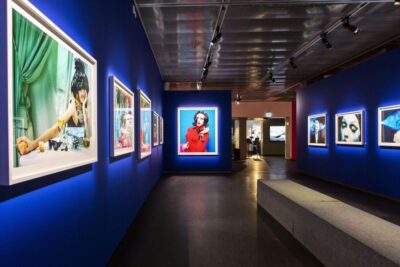
- British, Ever so Nordic looks at style and exchange
- The 1940s Flat makes one home speak for a period
- Dollhouses shrink domestic life to miniature scale
- The building and Royal Djurgården add real value
- Lunch, fika, and a useful museum shop
- Is the $19 ticket good value?
- Who will enjoy Nordiska Museet most?
- Should you book this Stockholm museum ticket?
- FAQ
- Where is Nordiska Museet located?
- How long is the ticket valid?
- How much does entry cost?
- What does the ticket include?
- Is a guide included?
- Can I read the Nordic Life information on my phone?
- Should I bring headphones?
- Is Nordiska Museet wheelchair accessible?
- Can I pay with cash at the museum?
- Can I bring food, drinks, luggage, or a large bag?
- Is cancellation available?
Key points to know before you go
- Nordic Life is the main event: Follow daily life across Sweden and the Nordic countries from the 16th century to the present.
- The Arctic adds a modern edge: This exhibit connects northern culture with a changing climate and melting ice.
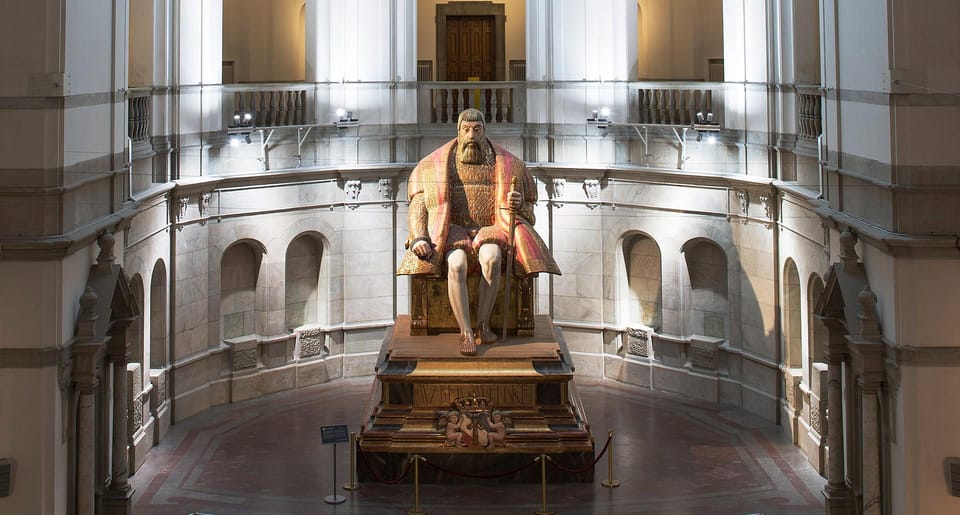
- The building is part of the experience: Nordiska Museet sits in leafy Royal Djurgården and is one of Stockholm’s most recognizable museum buildings.
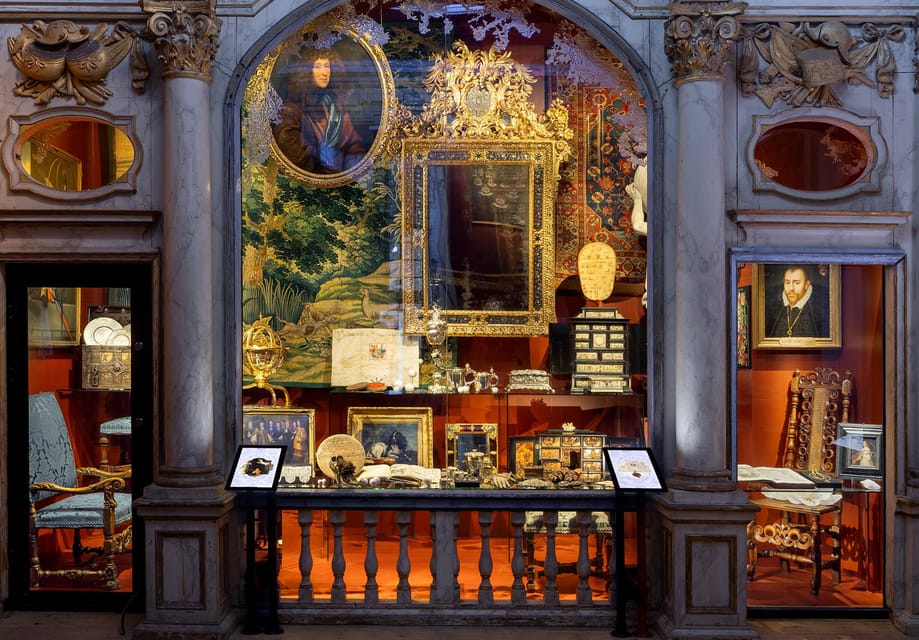
- Small details carry the stories: Table settings, dolls’ houses, fashion, and a 1947 flat make social history easy to picture.
- Plan for a self-guided visit: Selected exhibits offer Swedish and English audio, and Nordic Life texts can be read on your phone.
- The price is fair for a full day: At $19 per person, you get a broad museum visit, a shop, and a restaurant with lunch and Swedish fika.
Why Nordiska Museet belongs on your Djurgården day
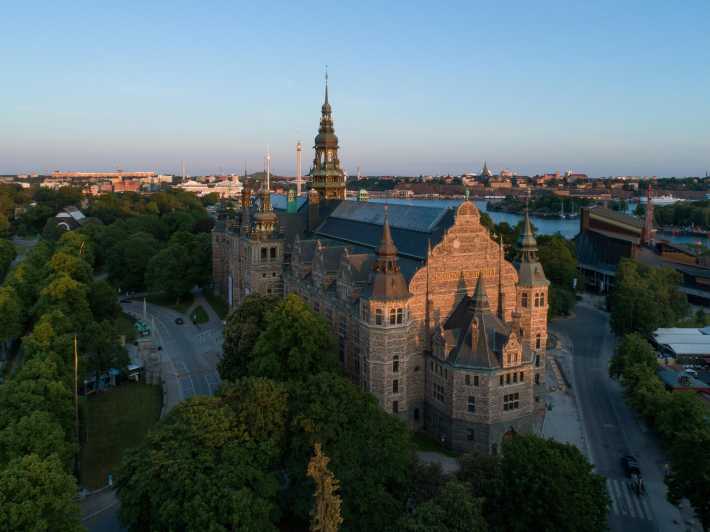
Royal Djurgården is Stockholm’s museum island, and Nordiska Museet makes a good anchor for a day here. Its monumental building catches your eye before you reach the entrance, while the surrounding park gives you a pleasant break before or after the indoor visit.
The museum focuses on the lives of people in Sweden and the wider Nordic countries. That focus matters. You are not simply looking at famous paintings, royal objects, or major political events. Instead, you are seeing how people ate, dressed, arranged their homes, raised families, worshipped, and responded to the natural world.
I like this approach because it gives you a useful frame for understanding Nordic culture. A table setting can reveal social rules. A home can show family structure and economic change. Clothing can tell you about taste, trade, and ideas crossing borders.
The time span is broad, running from the 16th century to today. You should not expect every period or country to receive equal space, but you will get a clear sense of how daily life has changed and how some concerns remain familiar.
A few more Stockholm options to compare
- Stockholm: ABBA The Museum Entrance Ticket
★ 4.7 · 11,280 reviews - Stockholm: City Archipelago Sightseeing Cruise with Guide
★ 4.3 · 10,798 reviews - Stockholm: Skansen Open-Air Museum Admission Ticket
★ 4.5 · 3,427 reviews
Start with Nordic Life and follow ordinary lives
The largest exhibition in the museum is Nordic Life. Give it the attention it deserves. This is the section that best explains what the museum is trying to do.
The exhibition looks at how Nordic culture has been shaped and reshaped by people, nature, and climate. Those three subjects overlap throughout the displays. A home is not only a private place. It reflects available materials, weather, family arrangements, income, and social expectations.
You will also consider what nature means to people in the Nordic region. That question is more useful than a simple presentation of forests, snow, or coastlines. It asks you to think about nature as a source of work, recreation, identity, danger, and belief.
Families and homes receive special attention. You might find yourself comparing older domestic arrangements with present-day ideas of privacy and family life. The museum uses objects and stories to make those shifts visible, rather than relying only on dates and labels.
Belief is another part of the exhibition. The material here helps explain how people have made sense of the world, their communities, and their place in nature. I appreciate that the focus remains on lived experience, not just official institutions.
The practical tip is to use your phone for the Nordic Life texts and screens. The museum provides the guide at guide.nordiskamuseet.se, so you can read the material directly on your device. Bring your own headphones if you want to use the audio guide, since headphones are not supplied.
The Arctic connects culture with climate
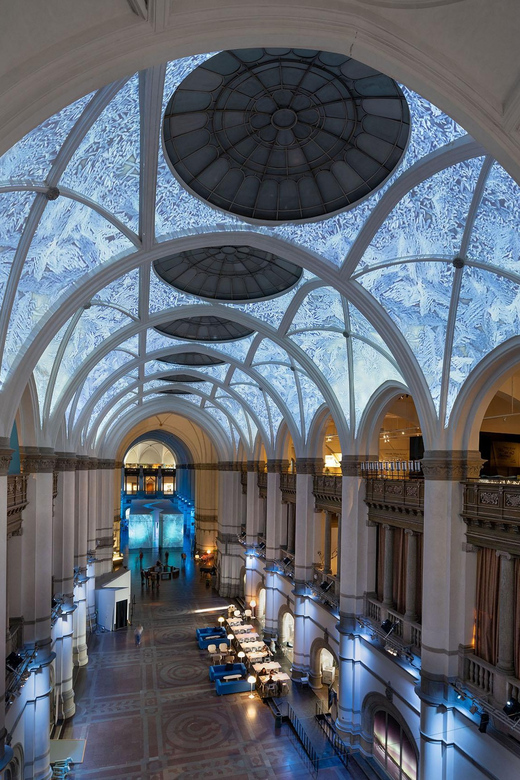
The Arctic exhibition gives the museum a strong present-day focus. Its subject is not frozen in the past. The display addresses melting ice and the effect of environmental change on northern life.
This is valuable because it links culture to conditions on the ground. The Arctic is not simply a remote place shown through dramatic images. It is a home and working environment shaped by cold, ice, seasonal change, and human decisions.
I would place this exhibit near the top of your list, especially if you have limited time. Recent visitor feedback has singled out both the main exhibition and the Arctic area as particularly strong. That matches the museum’s best quality: it connects large subjects to real human experience.
Expect a serious tone here. The material may appeal more to adults and older children than to very young children who mainly want hands-on entertainment. Still, the subject gives the museum a useful sense of purpose beyond nostalgia.
Table Settings turns meals into social history
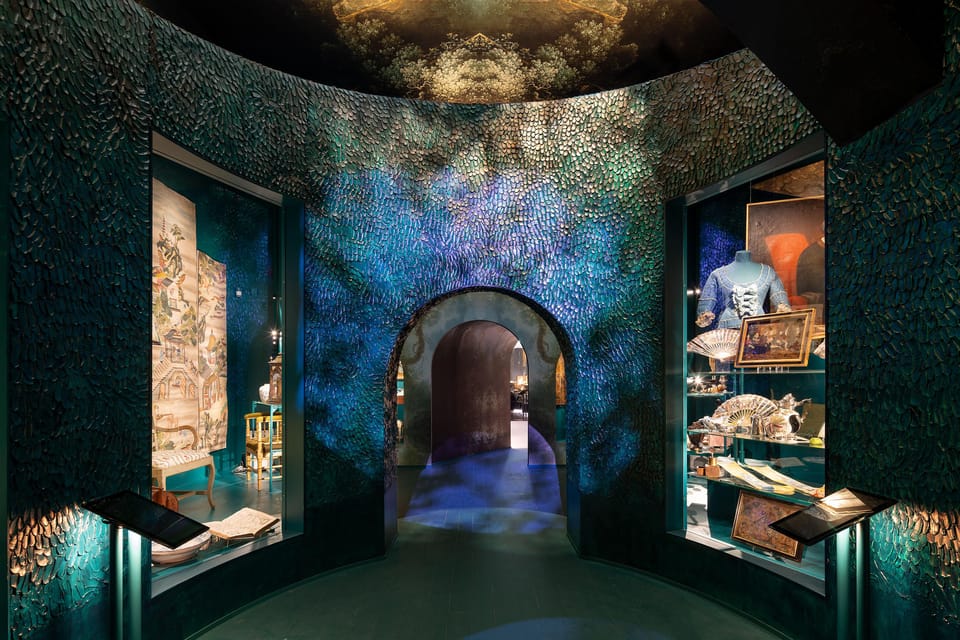
Table Settings is one of the most approachable displays because everyone understands the basic act of sitting down to eat. The exhibition looks at feasts across five centuries, using the table as a way to discuss customs, status, hospitality, and changing taste.
You can learn a surprising amount from plates, serving pieces, and arrangements. Who sat where? What counted as a special meal? Which foods or objects signaled wealth? What did a formal gathering expect from its participants?
The five-century span lets you see change over time without leaving the familiar setting of a meal. I find displays like this especially helpful after a more conceptual exhibition because they bring the story back to something you can picture at home.
This section should suit families well. Children may not read every label, but they can look at the objects and discuss what seems familiar or strange. You can turn the visit into a simple game by asking what each item might be used for and who might have used it.
A different sort of day, still within reach:
- Stockholm: Hop-On Hop-Off Bus or Boat Option
★ 4.0 · 3,260 reviews - Stockholm: Archipelago Boat Tour
★ 4.4 · 3,110 reviews - Stockholm: Paradox Museum Entry Ticket
★ 4.2 · 3,031 reviews - Stockholm: Highlights Boat Tour
★ 4.2 · 2,845 reviews
British, Ever so Nordic looks at style and exchange
British, Ever so Nordic examines Nordic fashion and lifestyle through British patterns. The title points to the exhibit’s central idea: Nordic culture has never developed in isolation.
This is a useful reminder that cultural identity is not a sealed box. Clothing and design can carry outside influences while still becoming part of local life. The exhibit gives you a way to consider how patterns, tastes, and ideas move between countries.
Fashion displays can sometimes feel like a parade of attractive objects with little explanation. Here, the British connection gives the material a clear question to answer. What happens when an imported style is used in a Nordic setting, and how does it become something local?
I would combine this exhibit with Nordic Life. Nordic Life gives you the broad social frame, while British, Ever so Nordic offers a closer look at fashion and lifestyle.
The 1940s Flat makes one home speak for a period
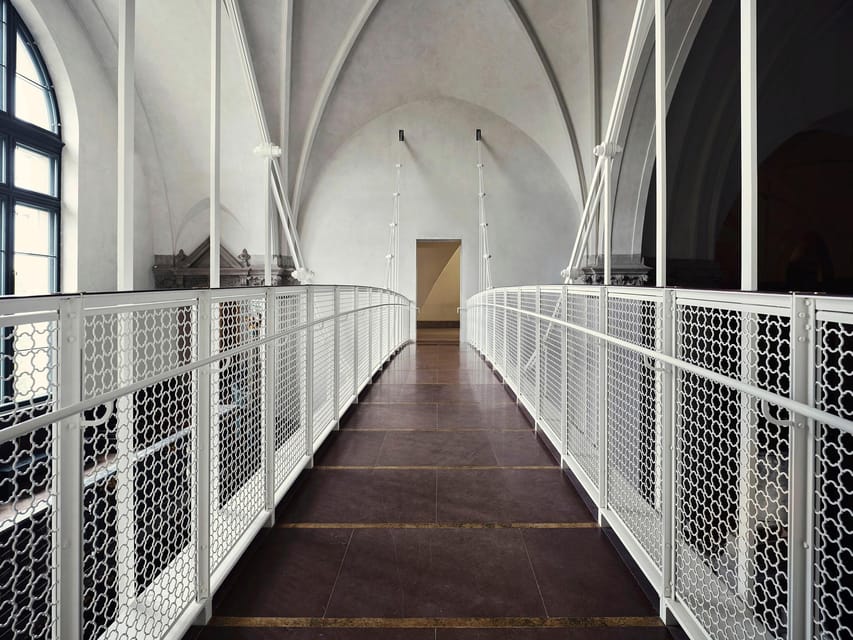
The 1940s Flat presents a home from 1947. Its strength comes from scale and familiarity. Instead of viewing isolated objects in glass cases, you can consider how those objects worked together inside an actual domestic setting.
A flat can reveal more than furniture. It shows how rooms were used, what people considered necessary, and how a household organized everyday tasks. You might notice how different the priorities of a 1947 home feel from your own, even when the basic needs are much the same.
This display also gives the broader museum a human center. The 16th century to present-day timeline is wide, but one home helps narrow your attention to a specific moment. You can imagine the routines that took place there without needing a long explanation.
If you enjoy historic interiors, allow extra time here. If you prefer large objects, national events, or spectacular art, this quieter display may hold your attention for less time.
Dollhouses shrink domestic life to miniature scale
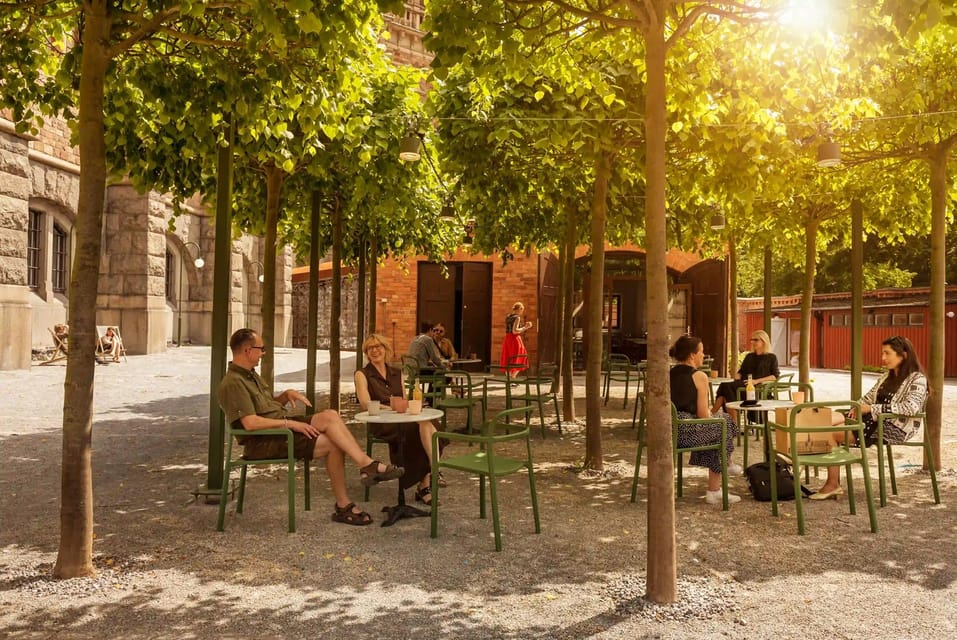
The Dollhouses exhibit includes eight homes in miniature. It is an easy stop to underestimate, but small-scale rooms can reveal the museum’s larger interest in domestic life.
You can inspect how rooms are arranged, furnished, and separated. Miniature homes also make it easier to compare different ideas of comfort and household design. For children, the scale provides an immediate way into the subject. For adults, it can be a sharp reminder that domestic ideals change over time.
I would save this section for a slower part of your visit. It works well after the 1940s Flat because you can compare a full-size home with miniature versions. The two displays ask similar questions in different ways: how do people organize the places where they live?
The building and Royal Djurgården add real value
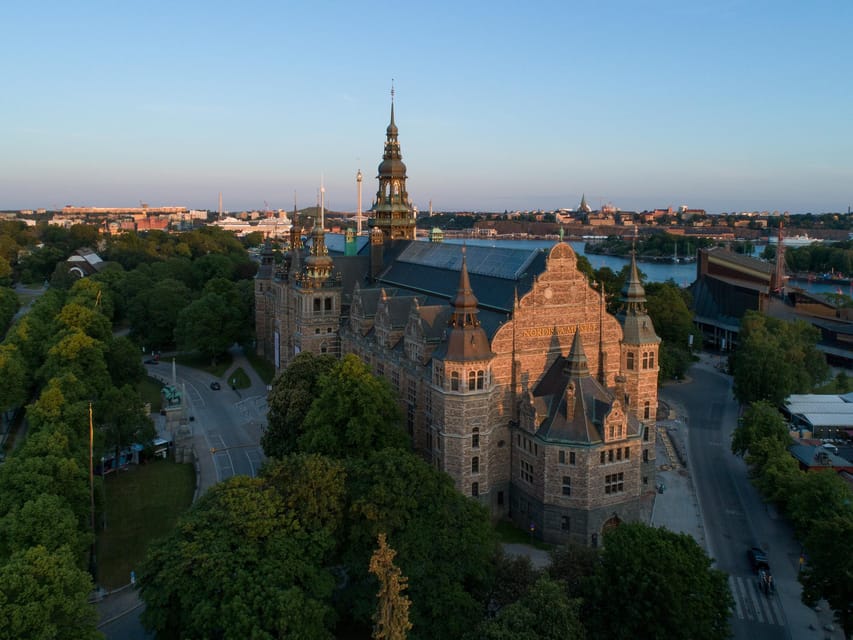
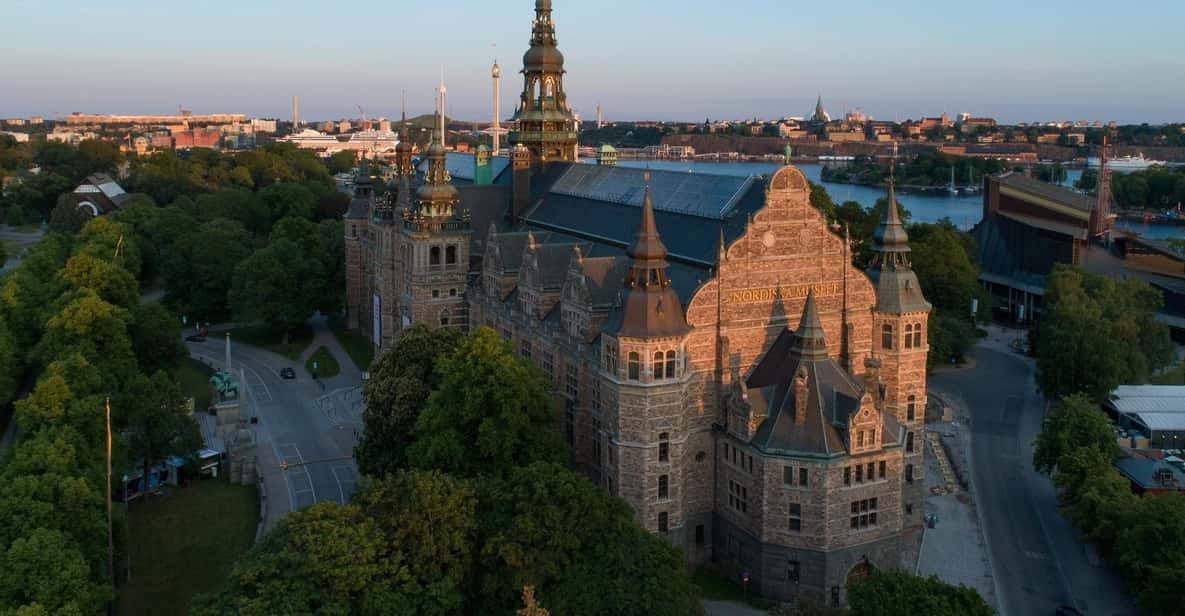
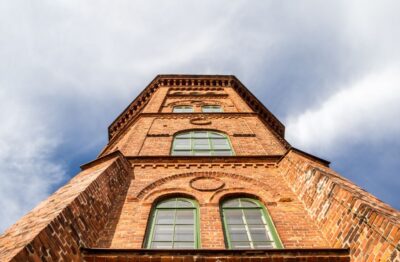
Nordiska Museet’s building is one of the reasons to visit in person rather than simply reading about Nordic culture online. It is iconic, and its location in Royal Djurgården makes the outing feel larger than a quick indoor stop.
The setting is especially useful if you are planning a full museum day. You can visit Nordiska Museet, take a break outdoors, and continue to another Djurgården attraction. The ticket itself is valid for one day, so you are not rushed into a short timed slot.
The building may also affect how you plan your energy. A large museum can become tiring when you try to read every panel. I recommend choosing Nordic Life, The Arctic, and two or three smaller exhibits as your core plan. Add more if your interest and energy hold up.
You do not need a guide to find value here, but you do need to manage your own route. There is no included personal guide leading you from room to room. The phone-based texts and selected audio guides give you support, but the visit remains yours to shape.
Lunch, fika, and a useful museum shop
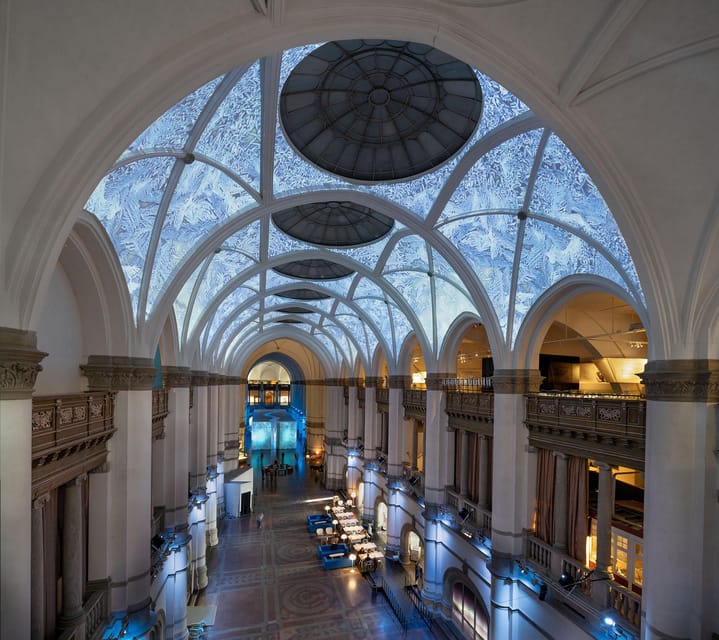
The museum restaurant serves lunch courses every day. You can also stop for Swedish fika, along with drinks, which makes it easier to treat the museum as a longer outing rather than a quick hour indoors.
Fika is more than a coffee break in Sweden. In this setting, it gives you a chance to pause and think about what you have seen, especially if you are working through several exhibitions. I would schedule a break rather than waiting until you are too tired to enjoy the next gallery.
The shop offers everyday goods and crafts from the Nordic countries. That is more useful than a shop filled only with postcards and logo items. You might find a practical gift or a small design object that reflects the themes of the museum.
Bring a card. The museum is cash-free, including the shop and restaurant. Food and drinks are not allowed in the exhibition areas, and large bags, oversize luggage, and luggage are not permitted inside. Plan to leave heavy bags elsewhere before arriving.
Is the $19 ticket good value?
At $19 per person, the ticket is reasonably priced for a full day of access to a large museum with several distinct exhibitions. The value is strongest if you like social history, design, historic homes, fashion, or Nordic culture and can spend several hours here.
You also get flexibility. The ticket is valid for one day, and you can move between the main Nordic Life exhibition and the smaller displays without paying separately for each one. The restaurant and shop add convenience, though their purchases are not part of the ticket price.
The value is weaker if you want a short, highly directed attraction. This is not a quick photo stop. You will get more from it if you are willing to read, listen, compare objects, and set your own pace.
The ticket includes museum entry only. A guide is not included, so factor in your own interest in self-guided visits. The Swedish and English audio guide is available in selected exhibitions, while Nordic Life texts and screens can be read on your phone.
You can cancel up to 24 hours in advance for a full refund, and reserve now while paying later. Those options are useful if your Stockholm plans are still shifting.
Who will enjoy Nordiska Museet most?
I would recommend this museum to anyone who wants context for Nordic culture beyond scenic views and modern design. It is particularly good for visitors who enjoy historic homes, clothing, food customs, climate, and the details of ordinary routines.
Families can use the Dollhouses, table settings, and historic flat as accessible entry points. Older children may also respond well to the Arctic display, especially if they already have an interest in climate or northern regions.
Design fans should look closely at the domestic displays and fashion exhibit. History fans will appreciate the long time span, though the material is social rather than military or political. If you mainly want paintings, this is not the right museum for your day.
The museum is wheelchair accessible, which makes it a practical choice for a broad range of visitors. Since large bags are not allowed, check your belongings before you head to the entrance.
Should you book this Stockholm museum ticket?
I would book it if you want a substantial, flexible museum visit on Djurgården. The strongest plan is to give Nordic Life your main block of time, add The Arctic, then choose Table Settings, The 1940s Flat, Dollhouses, or British, Ever so Nordic according to your interests.
At $19, it offers good value for a full day, particularly if you use the restaurant or fika break and take time with the exhibits. Go in expecting a self-guided cultural museum, not a fast attraction with a guide and a fixed route.
If that sounds like your kind of afternoon, Nordiska Museet earns its place on your Stockholm schedule.
FAQ
Where is Nordiska Museet located?
Nordiska Museet is in Stockholm County, at Royal Djurgården.
How long is the ticket valid?
The ticket is valid for one day.
How much does entry cost?
The listed price is $19 per person.
What does the ticket include?
It includes entry to Nordiska Museet and access to the exhibitions available during your visit.
Is a guide included?
No. A guide is not included. Selected exhibitions offer an audio guide in Swedish and English.
Can I read the Nordic Life information on my phone?
Yes. Exhibition texts and screens in Nordic Life can be read at guide.nordiskamuseet.se.
Should I bring headphones?
Yes. Bring your own headphones if you want to use the audio guide.
Is Nordiska Museet wheelchair accessible?
Yes. The museum is wheelchair accessible.
Can I pay with cash at the museum?
No. Nordiska Museet is cash-free. You can pay by credit or debit card in the museum shop and restaurant.
Can I bring food, drinks, luggage, or a large bag?
Food and drinks are not allowed in the museum. Oversize luggage, luggage, and large bags are also not allowed.
Is cancellation available?
Yes. You can cancel up to 24 hours in advance for a full refund. You can also reserve now and pay later.
New around Stockholm
- World War II Stockholm Old Town Walking Tour and Army Museum★ 4.6 · 4 reviews
- 3 Hours Guided Shopping Tour in Stockholm Thrifting Stores★ 5.0 · 4 reviews
- Scandinavian Art, Architecture and Design Tour in Stockholm★ 4.5 · 11 reviews
- Wolf and Wildlife Tracking in Sweden★ 5.0 · 9 reviews
- Private Tour: Swedish History Day Trip to World Heritage Candidate Markim-Orkesta from Stockholm★ 5.0 · 8 reviews
- Drottningholm Palace Private Guided Tour★ 4.5 · 15 reviews
- Voyage of the Vikings: Guided Exploration Through Sweden’s Past★ 5.0 · 2 reviews
- Vaxholm Day Trip From Stockholm: Cruise, Fortress, Swedish Fika★ 5.0 · 2 reviews
Tickets, compared.


Stockholm Pass: Save up to 50% – Includes Vasa Museum Ticket
Read our review →

Avicii Experience Skip-the-Line Entrance Ticket
Read our review →